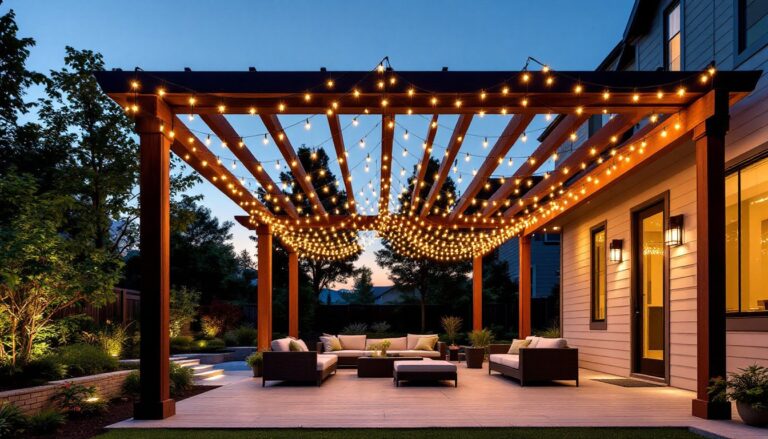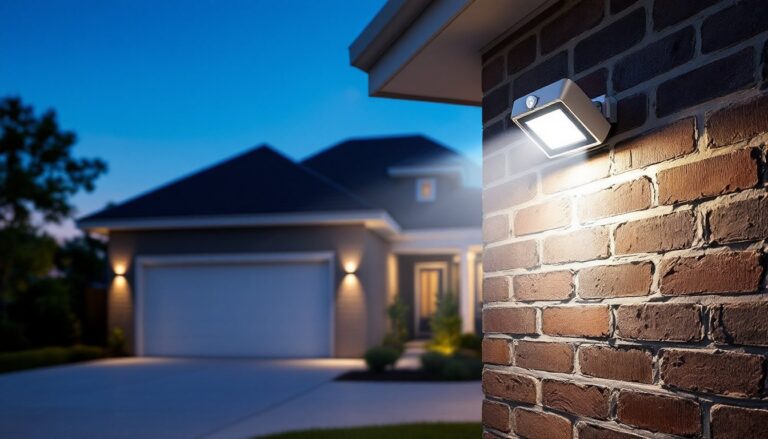
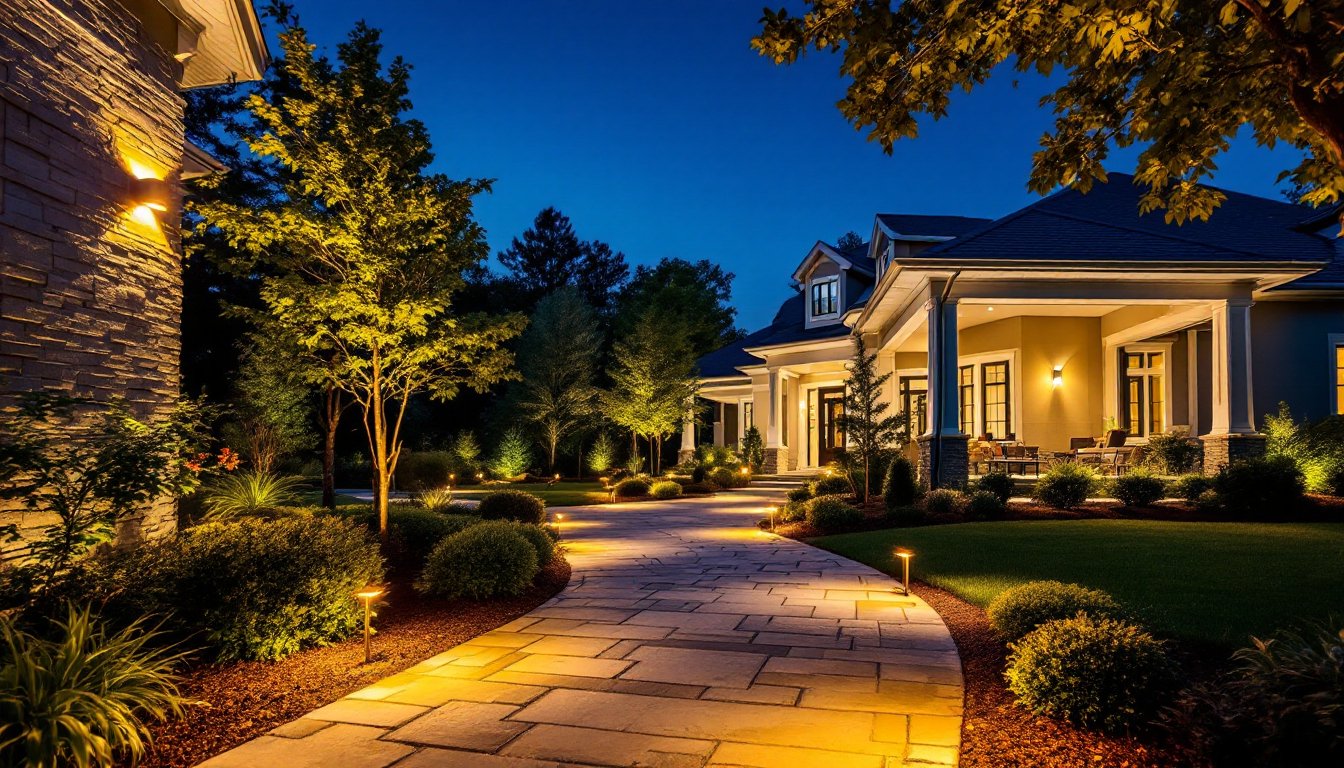
Permanent outdoor lighting transforms a dark yard into a functional, inviting space that extends your home’s usability long after sunset. Unlike temporary string lights or solar stake fixtures, permanent systems integrate seamlessly into your landscape, boost home security, and add significant curb appeal. Whether you’re lighting a pathway, highlighting architectural details, or creating ambient illumination for entertaining, the right permanent outdoor lighting setup elevates both safety and aesthetics. This guide walks you through system types, layout planning, installation essentials, and maintenance so you can make informed decisions for your property.
Table of Contents
ToggleKey Takeaways
- Permanent outdoor lighting eliminates dark hiding spots to improve home security while providing reliable, cost-effective illumination compared to battery-powered alternatives that require frequent maintenance.
- Low-voltage landscape lighting systems (12–24 volt) are safer and easier to install than line-voltage fixtures, typically operating on 60–300 watts with a standard transformer.
- Effective outdoor lighting design combines three layers—ambient light for overall visibility, task lighting for specific areas like grills or steps, and accent lighting to highlight landscape features.
- Always call 811 before digging to mark buried utilities; keep low-voltage cable runs under 150 feet from the transformer to prevent voltage drop and dimming.
- LED bulbs lasting 25,000–50,000 hours reduce replacement frequency, while twice-yearly cleaning of lenses and annual cable inspections ensure long-term performance and consistent illumination.
- Smart timers and dimmer controls allow seasonal adjustments to match changing sunrise and sunset times, optimizing energy savings year-round.
Why Invest in Permanent Outdoor Lighting
Permanent outdoor lighting serves multiple purposes beyond aesthetics. A well-lit exterior deters burglars by eliminating dark hiding spots around entry points and perimeters. Motion-sensor fixtures near doors and driveways provide immediate visibility when you arrive home, while landscape lighting along pathways prevents trips and falls on uneven terrain.
Secondly, permanent systems operate on a fixed electrical infrastructure, meaning they’re far more reliable and cost-effective over time than battery-powered alternatives that require constant replacement. A hardwired setup eliminates the spring maintenance routine of replacing dead batteries or cleaning corroded contacts. You’ll also have brighter, more consistent light output and the ability to integrate timers, dimmers, and smart controls for convenience and energy savings.
Curb appeal matters too. Properly illuminated landscaping, architectural features, and entryways create a welcoming first impression and can increase perceived home value. Buyers recognize quality outdoor lighting as a sign of a well-maintained property.
Types of Permanent Outdoor Lighting Systems
Landscape and Path Lighting
Landscape lighting highlights trees, shrubs, accent plants, and architectural elements using low-voltage systems, typically 12-volt or 24-volt setups. These systems use a transformer to step down standard 120-volt household current, making them safer to install and operate than line-voltage fixtures. Low voltage landscape lighting kits have changed how homeowners light yards without hiring an electrician or running expensive conduit.
Path lighting, including well lights, uplights, and stake-mounted spotlights, defines walkways and garden borders while creating visual depth in your landscape. Most kits include multiple fixture types so you can layer light at varying heights and angles. Uplight a tree canopy for drama, graze a stone wall for texture, or line a pathway with smaller accent lights for safe navigation.
Commercial low voltage landscape lighting brings professional-grade durability and performance to residential spaces. These fixtures use premium materials and brighter LED arrays than basic kits, justifying the extra investment if you’re lighting a larger property or want longer fixture lifespan and warranty protection.
Architectural and Wall-Mount Fixtures
Architectural fixtures mount directly to your home, wall sconces, soffit lights, and ceiling-mount options for porches and decks. Outdoor sconce lighting does double duty: it lights your way home after dark and frames entryways with stylish illumination. Sconces come in dozens of styles, from traditional lanterns to modern minimalist designs, making them ideal for matching your home’s architectural character.
Outdoor ceiling lighting on covered patios and decks creates ambient lighting for entertaining and functional task lighting for cooking or games. Line-voltage fixtures (standard 120-volt) are typical for wall and ceiling mounts because they offer higher wattages and don’t require transformers. Ensure any fixture you choose carries a wet-location rating (at least IP65) if it’s exposed to rain or direct spray.
Planning Your Outdoor Lighting Layout
Start by mapping your property on paper or using a smartphone photo. Mark existing structures, plants, pathways, and seating areas. Identify zones: entry points that need security lighting, pathways requiring safety illumination, and feature areas (trees, water features, architectural details) worth highlighting.
Consider light layering, combining ambient, task, and accent lighting. Ambient light creates overall visibility around patios and driveways (typically 10–20 foot-candles of light). Task lighting focuses on specific areas like grills, steps, or work benches (20–50 foot-candles). Accent lighting highlights landscape features and adds visual interest (5–10 foot-candles).
Calculate your power needs. Most low-voltage kits operate on 60–300 watts: a standard household transformer handles this easily. For line-voltage systems, count total wattage of all fixtures and ensure your electrical circuit can handle the load (usually 15–20 amps per circuit with proper breaker protection). If you’re unsure about circuit capacity, consult a licensed electrician, overloading a circuit risks fire and shock hazards.
Think about automation. A landscape lighting timer prevents human error and reduces energy waste by automatically turning lights on at dusk and off at a preset time. Smart controllers let you adjust schedules seasonally and dim lights to save energy during shoulder months.
Installation Best Practices and Considerations
Before digging, call 811 or your local utility locating service to mark buried gas, water, and electrical lines. This is non-negotiable and free: hitting a utility line costs thousands in repairs and poses serious safety risks.
For low-voltage landscape systems:
- Install the transformer in a weatherproof enclosure near a GFCI-protected outlet (most outdoor receptacles should have GFCI protection by code).
- Run cable in low-traffic areas, ideally 12–18 inches below grade in conduit to protect from shovels and lawn equipment.
- Keep cable runs under 150 feet from the transformer: voltage drop over long runs dims lights noticeably.
- Space fixtures 3–5 feet apart for path lighting, farther for accent pieces depending on beam spread.
- Use an outdoor lighting transformer sized correctly, don’t overload it or lights will dim.
For hardwired line-voltage fixtures:
Unless you’re experienced with electrical work, hire a licensed electrician. Improper wiring risks shock and fire. An electrician will run weatherproof conduit (not exposed cable), install proper breakers, ensure GFCI protection where required by code (NEC Article 210.8), and test everything.
Wear safety glasses when digging and handling sharp fixtures. Use work gloves to protect hands during installation. If cutting or drilling, wear appropriate PPE including a dust mask if needed.
Maintenance and Long-Term Care
Permanent outdoor lighting requires modest upkeep. Clean fixture lenses and bulbs twice yearly, spring and fall, to remove dust, pollen, and debris that dims output. A soft cloth and mild soap work fine: avoid abrasive cleaners that scratch plastic lenses.
LED bulbs last 25,000–50,000 hours, vastly longer than halogen or incandescent alternatives, so bulk bulb replacements are rare. When you do need replacements, stick with the same wattage and color temperature (measured in Kelvin) to maintain consistency across your landscape.
Inspect cabling and connections annually, especially after winter. Salt, ice, and UV exposure degrade outdoor-rated cable over years, and corrosion at connection points weakens circuits. Tighten any loose connections and replace corroded hardware. If you notice dimming or flickering that cleaning doesn’t fix, test the circuit breaker and check transformer operation.
Trimming vegetation around fixtures prevents branches from blocking light and reduces debris accumulation. Also review your lighting timer settings seasonally: sunrise and sunset shift by roughly two minutes per week, so spring and fall adjustments keep lights synchronized with natural light cycles.
Resources like ThisOldHouse’s outdoor lighting ideas and design platforms such as Gardenista offer inspiration and troubleshooting guidance. For specialized reviews on LED options, Bob Vila’s outdoor LED strip light roundup compares durability, brightness, and weather resistance across popular models.