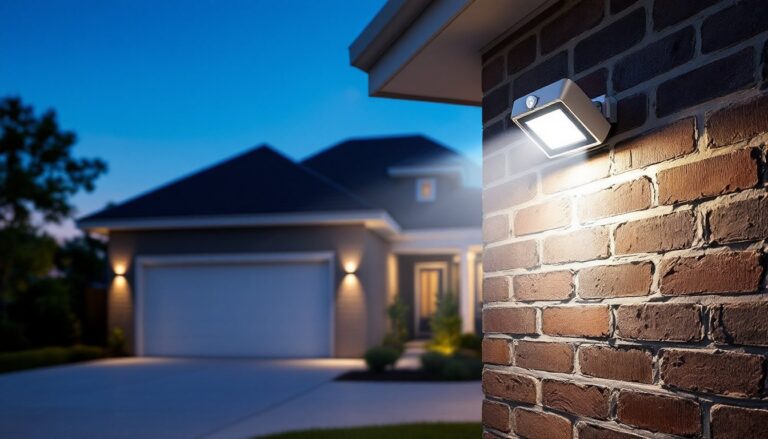
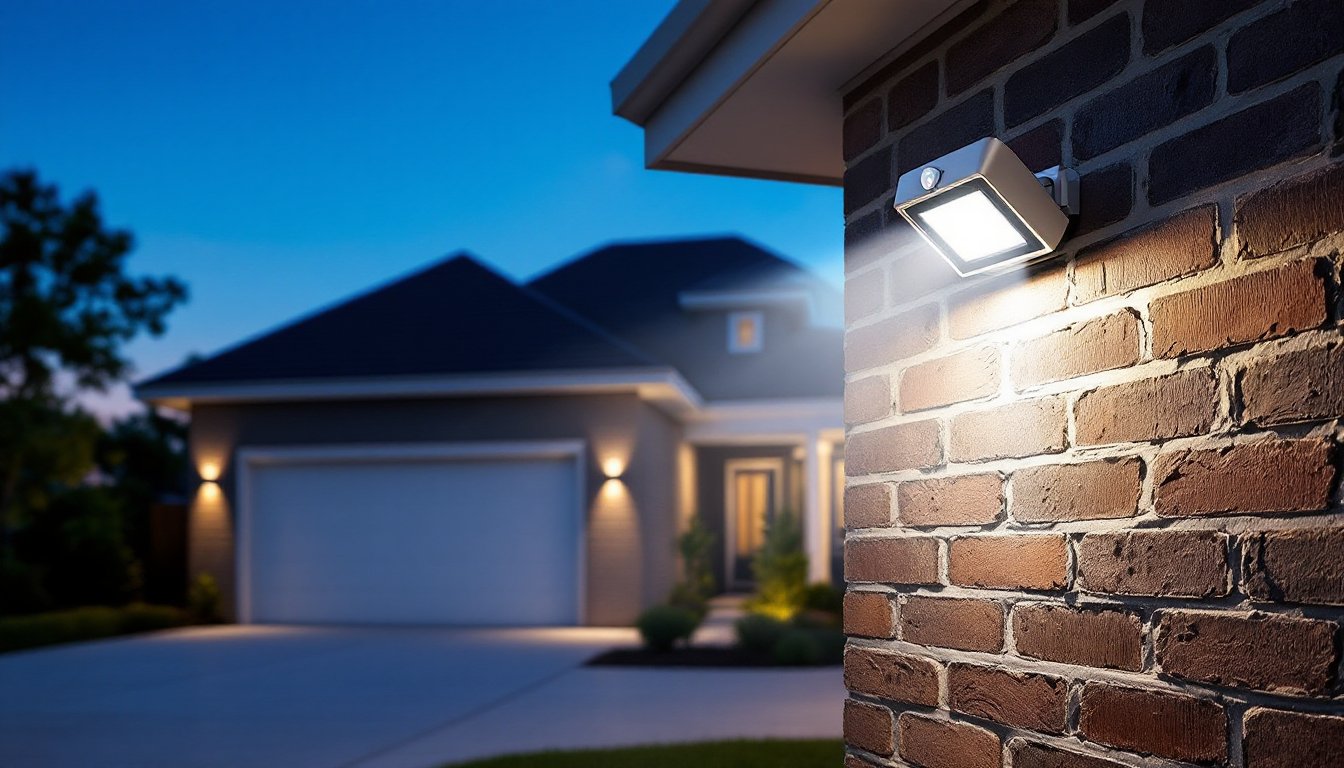
Motion detector lights have become standard equipment for modern homes, and for good reason. They combine security, energy efficiency, and convenience into a single fixture that activates only when needed. Whether you’re lighting a dark walkway, securing an entryway, or keeping an eye on a blind spot around your property, outdoor motion detector lights deliver practical protection without leaving fixtures running all night. This guide covers everything a homeowner needs to know about selecting, installing, and optimizing these fixtures for maximum effectiveness and safety.
Table of Contents
ToggleKey Takeaways
- Outdoor motion detector lights serve as proven security deterrents while reducing energy costs by activating only when movement is detected.
- Wired motion detector lights provide higher brightness (2,000+ lumens) and permanent installation, while battery-powered models offer flexibility and simplicity for renters or temporary setups.
- Sensor range (20–40 feet), brightness (300–1,200 lumens), and timer duration (5–20 minutes) should match your specific needs, such as porch entries, driveways, or security monitoring.
- Battery-powered fixtures require only basic mounting 6–10 feet high, while wired installations demand GFCI protection and compliance with local electrical codes.
- Adjusting sensitivity settings and timer duration after installation reduces false activations from wildlife while maintaining adequate warning time for family members.
Why Motion Detector Lights Are Essential for Modern Homes
Motion detector lights serve dual purposes that make them invaluable for any property. First, they’re a proven security deterrent, most intruders avoid homes with motion-activated lighting because they don’t want to be seen. Studies consistently show that properties with adequate exterior lighting experience fewer break-ins. Second, they save energy and money. Instead of leaving porch lights or floodlights on all night, motion sensors activate only when movement is detected, cutting electricity costs significantly.
Beyond security and savings, these lights improve safety. A motion sensor light illuminates a dark pathway the moment someone approaches, reducing trip hazards and providing visibility when you’re fumbling for keys. They’re also incredibly convenient, no more reaching for a switch in the dark. For most homeowners, motion detector lights represent one of the best ROI home security upgrades available.
Types of Outdoor Motion Sensor Lights
Understanding the different types of outdoor motion detector lights helps you choose the right fit for your situation. The main categories break down by power source and installation method, each with specific advantages and limitations.
Wired vs. Battery-Powered Options
Wired motion detector lights connect directly to your home’s electrical system, typically drawing power from an existing outdoor circuit or a new dedicated line. This approach eliminates battery replacement and provides consistent, reliable power. Wired fixtures are ideal for permanent installations around entryways, garages, and high-traffic areas. Installation requires running electrical wire, which may involve cutting into walls or running conduit along exterior surfaces, doable for confident DIYers, but always check local electrical codes (NEC requires GFCI protection for wet locations and specific outlet spacing). Wired systems also support higher wattage bulbs and brighter outputs.
Battery-powered motion detector lights offer flexibility and simplicity. They’re perfect for renters, temporary installations, or places where running electrical wire isn’t practical. Most use AA or lithium batteries and claim 1–2 years of operation per battery set, depending on sensitivity settings and activation frequency. The trade-off is brightness, battery-powered units typically max out around 500–800 lumens, while wired fixtures can reach 2,000+ lumens. Battery models also require periodic maintenance and replacement. For outdoor home lighting on a budget or for testing a location before committing to wired installation, battery-powered options shine.
A third hybrid category combines solar panels with battery storage. These fixtures charge during the day and activate at night, eliminating battery trips to the store. But, they require adequate sunlight exposure and perform poorly in cloudy climates or heavily shaded areas.
Key Features to Consider When Choosing Motion Detector Lights
Selecting the right motion detector lights means evaluating several technical specs and features. Not all fixtures perform equally, and understanding these differences prevents buyer’s remorse.
Sensor Range, Brightness, and Activation Settings
Sensor range, typically 20 to 40 feet, determines how far a motion detector reacts. A 20-foot range suits narrow hallways or porch entries: 40 feet covers driveways and larger patios. Check the field of view too (often 90–180 degrees): wider detection zones catch movement from multiple angles but may trigger false activations from passing traffic or animals. Adjust the sensitivity dial to reduce nuisance triggers in areas with frequent wildlife.
Brightness, measured in lumens, directly impacts usability. Wall outdoor lights around entryways typically need 300–500 lumens: driveway floodlights need 700–1,200 lumens. Higher-lumen fixtures illuminate larger areas more effectively. Most outdoor motion light motion sensor models offer 10–20 minute timer options before shutting off, choose based on your use case. A quick burst for a visitor suits 5 minutes: security monitoring of a dark yard needs 15–20 minutes.
Color temperature matters too. 2,700K (warm white) creates a welcoming ambiance near entryways and complements most home exteriors. 5,000K (daylight white) provides better security visibility and works well for driveways and work areas. Some fixtures include adjustable settings or dual-color options.
Additional features worth considering include dusk-to-dawn sensors (activates only after sunset) and adjustable motion delay (prevents rapid on-off cycling). Premium models include smartphone connectivity, allowing you to arm/disarm or adjust settings remotely. But, basic non-smart fixtures are equally effective for most homeowners and cost significantly less. When examining outdoor light motion sensor options, prioritize sensor accuracy and brightness over unnecessary smart features unless remote control is important to your routine.
Installation and Setup Tips for DIY Projects
Installing outdoor motion detector lights ranges from trivial (battery-powered stick-on models) to moderately complex (hardwired wall-mounted fixtures). Here’s what you need to know for a successful installation.
Battery-powered fixtures are nearly foolproof. Mount them 6–10 feet high on walls, soffits, or fence posts using the provided brackets and hardware. Ensure the sensor lens faces the area you want monitored, ideally unobstructed by plants or overhangs. Insert batteries, adjust sensitivity and timer dials, and test the motion detection. Most units activate immediately.
Wired installations require more planning. Before starting, verify your local electrical code and determine if you need a permit. Outdoor lighting circuits should be GFCI-protected (ground-fault circuit interrupter) per NEC standards. If you’re connecting to an existing outdoor outlet, test it with a multimeter to confirm power. If running a new circuit, hire a licensed electrician unless you’re comfortable with breaker installation and wire sizing.
For mounting a wired wall outdoor light or fixture:
- Choose the location 6–10 feet high, angled down slightly to illuminate the area below.
- Use a stud finder to locate wall studs if mounting on siding: use toggle bolts or appropriate anchors for non-stud locations.
- Run electrical wire from your power source in conduit or behind trim, protecting it from weather and damage. Use 14 AWG wire for 15-amp circuits or 12 AWG for 20-amp circuits.
- Connect wires to the fixture’s terminals (black to black/hot, white to white/neutral, bare copper to green/ground). Use wire connectors rated for outdoor use.
- Seal all connections with weatherproof caulk to prevent water intrusion.
- Test thoroughly before finalizing mounting. Activate the breaker and confirm motion detection and light activation.
Safety is non-negotiable. Wear safety glasses when drilling or cutting, gloves when handling fixtures, and use a voltage tester before touching any wires. Always turn off power at the breaker before working on electrical connections. If you’re unsure about any step, consult a professional electrician or reference landscape lighting guides from trusted DIY sources. Many homeowners combine motion sensors with outdoor LED lighting fixtures to maximize efficiency and coverage.
Once installed, test the motion detection from various angles and distances. Adjust the sensitivity dial and timer to reduce false triggers while maintaining adequate warning time. Leave a note for family members about the new fixture’s behavior so they understand the brief activation delay.
Conclusion
Outdoor motion detector lights are a practical, cost-effective security and convenience upgrade that works harder than traditional always-on fixtures. Whether you opt for battery-powered simplicity or hardwired reliability, these lights deliver immediate returns in safety, energy savings, and peace of mind. Match your choice to your specific needs, battery models for flexibility, wired systems for permanent installations, and don’t overlook sensor range, brightness, and adjustability. With proper installation and setup, motion detector lights transform dark corners into secure, well-lit spaces that protect your home and your family.