If you’re tired of stringing temporary lights every season or flipping switches to navigate your patio after dark, permanent outdoor lighting might be the answer. Groove permanent outdoor lights and similar hardwired or semi-permanent outdoor lights for house applications have transformed how homeowners approach exterior illumination. Unlike seasonal decorations, these fixtures deliver consistent, weather-resistant lighting that enhances both functionality and curb appeal year-round. Whether you’re planning to install outdoor home lighting for the first time or upgrading an existing setup, understanding your options, installation requirements, and maintenance needs will help you make a confident decision that suits your space and budget.
Table of Contents
ToggleKey Takeaways
- Groove permanent outdoor lights eliminate seasonal setup cycles by delivering year-round, weather-resistant illumination that enhances both functionality and curb appeal without annual takedown maintenance.
- Permanent outdoor lighting systems use durable materials like marine-grade stainless steel and LED technology that consumes 75-80% less energy than traditional bulbs, potentially reducing electricity costs by 60% or more.
- Installation options range from hardwired systems (requiring a licensed electrician and permits) to low-voltage or plug-and-play setups that offer greater DIY flexibility and faster deployment.
- A layered lighting approach combining ambient, task, and accent lighting creates depth and functionality while warm color temperatures (2700K-3000K) feel inviting for entertaining while cooler tones support security.
- Well-maintained permanent outdoor lights require minimal upkeep through annual cleaning, periodic seal inspections, and proper drainage, with LED bulbs lasting 25,000+ hours or 15+ years of nightly use.
- Choosing fixtures rated IP65 or higher ensures dust-tight, weather-resistant performance in any climate, while smart controls and dimming capabilities let you adjust brightness and operating hours to match actual usage.
What Are Groove Permanent Outdoor Lights?
Groove permanent outdoor lights are fixtures designed to remain installed and functional throughout the year, delivering reliable illumination without the annual takedown-and-setup cycle. Unlike temporary string lights or seasonal decorations, these lights are built to withstand moisture, temperature swings, UV exposure, and other environmental stressors. They may be hardwired to your home’s electrical system or connected via weatherproof junction boxes, and they typically feature sealed connections and corrosion-resistant materials.
The term “permanent” refers to the fixture’s intended lifespan and installation method rather than its immovability. You can still remove or relocate them if needed, but they’re engineered to stay outdoors full-time. Many homeowners choose these systems for patios, decks, walkways, and poolside areas where reliable, consistent lighting matters. They offer a cleaner aesthetic than tangled seasonal cords while providing the flexibility to integrate smart controls, dimming capabilities, and multiple color temperatures depending on the model.
Key Features and Benefits
Permanent outdoor lighting systems combine durability, energy efficiency, and design versatility in ways seasonal fixtures rarely can. Understanding these advantages helps you justify the upfront investment and plan a setup that truly serves your space.
Durability and Weather Resistance
Quality permanent outdoor lights use die-cast aluminum, marine-grade stainless steel, or UV-resistant polycarbonate housings that don’t corrode or degrade in harsh conditions. Gaskets and seals prevent water ingress, and all connections, whether hardwired or plug-in, are rated for outdoor use and meet electrical safety codes in your jurisdiction. Unlike cheaper temporary lights that crack in freezing temps or yellow under UV exposure, these fixtures maintain their structural integrity and appearance for a decade or more.
Look for fixtures rated IP65 or higher on the Ingress Protection scale: this means they’re dust-tight and can handle water jets from any direction. If you live in coastal areas, salt spray resistance becomes critical, ask about sacrificial anode coatings or 316 stainless steel components that prevent rust before it starts.
Energy Efficiency and Cost Savings
Most permanent outdoor lights now use LED technology, which consumes 75–80% less energy than incandescent or halogen equivalents while lasting 25,000 to 50,000+ hours. That translates to years of nightly use before you need to replace a bulb. Over a season, the energy savings stack up fast, especially if you’re lighting large areas like patios, decks, or driveways.
Many permanent systems support dimming, scheduling, or smart home integration via apps or voice assistants, letting you adjust brightness and operating hours to match actual usage. Some models even include motion sensors or daylight photocells that automatically switch lights on and off. When you combine LED efficiency with smart controls, your monthly electricity costs for outdoor lighting can drop by 60% or more compared to traditional setups.
Installation Essentials for Your Space
Installing permanent outdoor lights requires thoughtful planning around electrical codes, structural considerations, and your comfort level with electrical work. The complexity depends on whether you’re choosing hardwired, low-voltage, or plug-and-play systems.
Hardwired systems connect directly to your home’s main electrical panel or a dedicated outdoor circuit. This requires running cable through walls, conduit, or along the exterior, and typically demands a licensed electrician in most jurisdictions. Check local building codes, many areas require permits for outdoor electrical work. The advantage is clean, permanent integration with no visible cords and no need for outlets.
Low-voltage systems (usually 12V or 24V) use a transformer that steps down standard household current, then deliver power through buried or surface-mounted cable. These are safer to install yourself, don’t usually require permits, and offer flexibility in fixture placement. The downside is a visible transformer box and the need for a dedicated outdoor outlet or weatherproof cord.
Plug-and-play options like certain models of govee permanent outdoor lighting connect to a standard outdoor outlet and may include built-in WiFi or Bluetooth controls. Installation is straightforward, no special wiring needed, but you’re limited by outlet location and cord management.
Before choosing, measure your space, identify power sources, and trace the route from your electrical source to the area you’re lighting. Account for obstacles like stairs, railings, or landscaping. If running new circuits or conduit is beyond your skill set, hire a licensed electrician: miswired outdoor lighting can cause safety hazards or code violations that derail insurance claims.
Once power is sorted, mounting is usually straightforward: lag bolts or screws into solid framing (joists, posts, soffit), anchors into masonry, or ground stakes for path lights. Follow manufacturer torque specs and use stainless steel hardware to prevent rust. Seal any penetrations with exterior caulk or flashing to prevent water entry into the wall or roof structure.
Design Ideas and Placement Tips
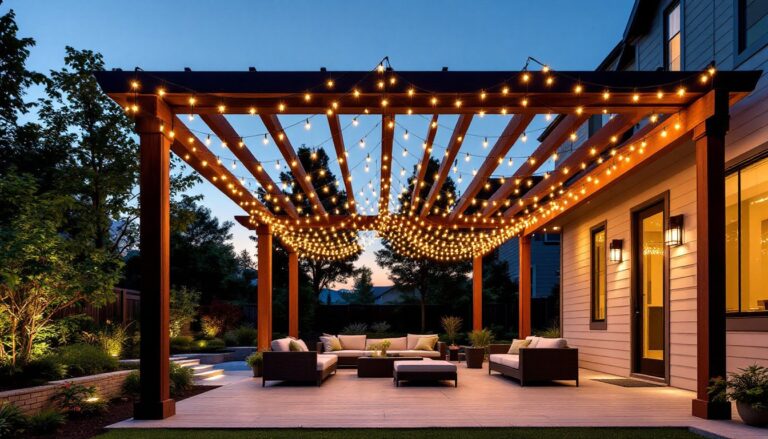
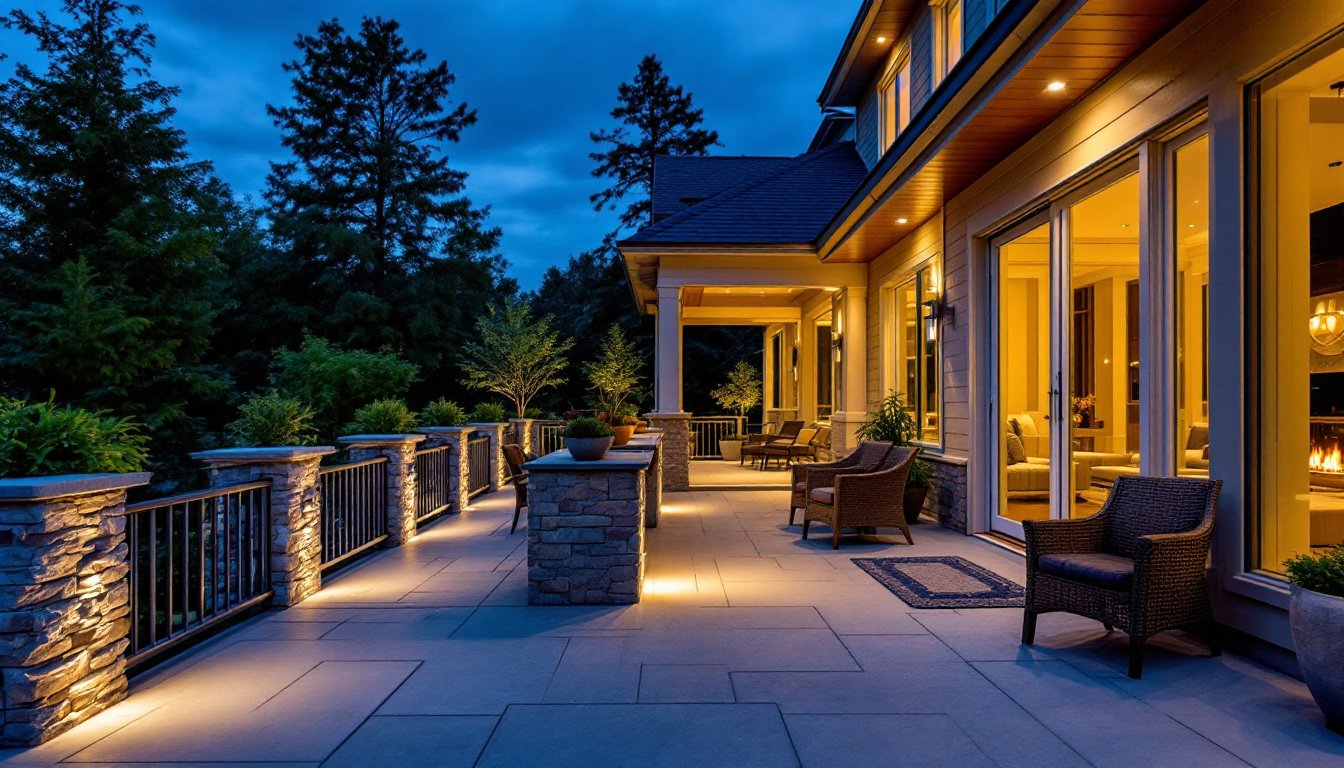
The best permanent outdoor lighting layered approach: combine ambient (general area lighting), task (focused illumination for safety), and accent (highlighting architectural or landscape features). This multi-zone strategy creates depth and functionality.
Overhead fixtures, recessed soffit lights, pendant lights, or flush mounts under eaves, deliver ambient light for the entire patio or deck. Space them 6–8 feet apart for even coverage without harsh shadows. Warm color temperatures (2700K–3000K) feel inviting for entertaining: cooler tones (4000K+) work better for security or task-focused areas like grilling zones.
Path and stair lights prevent trips and guide foot traffic. Recessed step lights or low-level wall-mounted fixtures work well: aim for light that’s visible without glaring directly at eyes. These typically need less brightness than ambient fixtures, 50–100 lumens per fixture often suffices.
Accent lighting, uplighting trees, downlighting on plants, or grazing light across stone walls, adds drama and defines space boundaries. Adjustable spotlights or directional fixtures give you control over where light falls. This layer transforms a basic lit patio into a designed outdoor room.
Consider how your outdoor lighting complements indoor sightlines. If your kitchen or dining room opens to the patio, avoid harsh contrasts that make the interior feel dark or unwelcoming. Dimming or layered controls help you adjust as daylight fades and entertaining continues into the evening. Outdoor home lighting that coordinates with your architecture, positioning fixtures to emphasize soffits, railings, or stone features, feels intentional rather than haphazard.
Maintenance and Longevity
Well-installed permanent outdoor lights require minimal upkeep but not zero. Plan for occasional cleaning and periodic inspections to keep them functioning reliably.
Annual cleaning removes dust, pollen, and salt spray buildup that can dull lenses or reduce light output. Use a soft brush or microfiber cloth and mild soap with water: avoid abrasive scrubbers that scratch polycarbonate. For coastal installations, rinse fixtures with fresh water after storms to clear salt residue before it corrodes connections.
Check seals and gaskets every couple of years, especially after harsh weather. If you notice condensation inside a fixture or any visible corrosion, the seal may have failed. Most LED fixtures have replaceable gaskets: replacing them costs $10–30 and extends fixture life significantly. Hardwired systems should also be inspected by an electrician every 3–5 years to verify connections are tight and no insulation is degrading.
LED bulbs rarely need replacing if you’ve chosen quality fixtures, lifespans of 25,000+ hours mean 15+ years of nightly use. If a fixture stops working, the issue is usually a failed driver or connection, not the LED itself. Many manufacturers offer replacement parts at reasonable cost.
For smart or WiFi-enabled lights like certain outdoor lighting brands, check firmware updates annually and ensure the hub or gateway remains in a weatherproof location. Battery-powered wireless remotes may need fresh batteries each season.
Proper drainage prevents water pooling around base mounts or fixture boxes. If you’ve installed path lights or in-ground fixtures, ensure the surrounding landscape slopes away slightly to shed water. Over time, settling can create low spots: address these before water becomes trapped. Following outdoor LED lighting fixture maintenance guidelines specific to your model ensures longevity that justifies the initial investment. Many landscape lighting kits come with warranties covering defects for 5–10 years: read these terms to understand what’s covered and how to file claims if issues arise.
Final Thoughts
Groove permanent outdoor lights and similar quality fixtures represent a shift from seasonal patchwork toward intentional, durable outdoor living spaces. The upfront investment, whether it’s materials for a DIY low-voltage system or a licensed electrician’s labor for hardwired installation, pays dividends through years of reliable operation, lower energy bills, and outdoor spaces you’ll actually use and enjoy. Start with a clear layout, choose fixtures rated for your climate, and don’t skip permits or electrical safety standards. Your patio will thank you come December.