Solar outdoor lights have evolved from cheap, dim lawn ornaments into legitimate landscape illumination that can genuinely light a patio, pathway, or garden. Unlike the novelty stakes of years past, today’s solar lights feature efficient LED technology, larger battery capacity, and smarter light sensors that recognize actual dusk instead of flickering at sunset. For homeowners tired of extension cords, outdoor home lighting wiring costs, or monthly electricity bills climbing with every landscape light added, solar options deliver genuine freedom. They’re maintenance-light, installation-simple, and they don’t require a permit or licensed electrician. This guide covers the types of solar outdoor lights worth buying, what features actually matter, and how to place them so they work year-round.
Table of Contents
ToggleKey Takeaways
- Modern solar outdoor lights use efficient LED technology and large battery capacity (1000–3000+ mAh) to provide reliable illumination through full nights, even in fall and winter months.
- Solar outdoor lights require no wiring, permits, or electrician—installation is simple, maintenance-light, and comes with zero monthly operating costs compared to hardwired landscape lighting.
- Placement is critical: solar lights need at least 4–6 hours of direct, unobstructed sunlight daily, with south-facing orientation in the Northern Hemisphere for optimal battery charging.
- Path lights need closer spacing (every 3–4 feet) to avoid dark gaps, while spotlight and decorative styles can be spaced further apart depending on your ambiance or task lighting needs.
- Battery replacement extends lifespan to 5–7+ years for quality solar outdoor lights, with most using standard AA or AAA rechargeable batteries that cost $5–15 to replace.
- Solar lights offer unbeatable convenience and flexibility for patios, pathways, and gardens, letting you experiment with placement without commitment or permanent installation.
Why Solar Outdoor Lights Are a Smart Choice for Your Home
Solar lights work because they capture free sunlight during the day, store it in rechargeable batteries, and release it as light after dark. No wiring, no utility connection, no electrician required. For homeowners, that means zero installation cost beyond the light itself and zero monthly operating expense. You won’t worry about outdoor home lighting upgrades eating into your energy bill or running power to a new patio area.
They’re also genuinely reliable now. Modern solar lights use 5000–6500K color-temperature LEDs that look closer to natural daylight than warm incandescent, and newer batteries hold their charge longer than they did five years ago. Many models keep working through fall and winter, though performance dips in shorter days and cloudier climates. They’re also silent, no transformer hum, no wiring noise, making them perfect for quiet outdoor spaces where you want light without clutter or sound.
From a safety standpoint, since they operate at low voltage and run only during nighttime hours when they’re fully charged, they’re safer for homes with kids or pets than hardwired landscape fixtures. And if you move or redesign your yard, you simply pick them up and relocate them. No cutting drywall, rerouting cable, or hiring someone to pull out the old wiring.
Types of Solar Lights for Every Outdoor Space
Solar Path Lights and Stake Lights
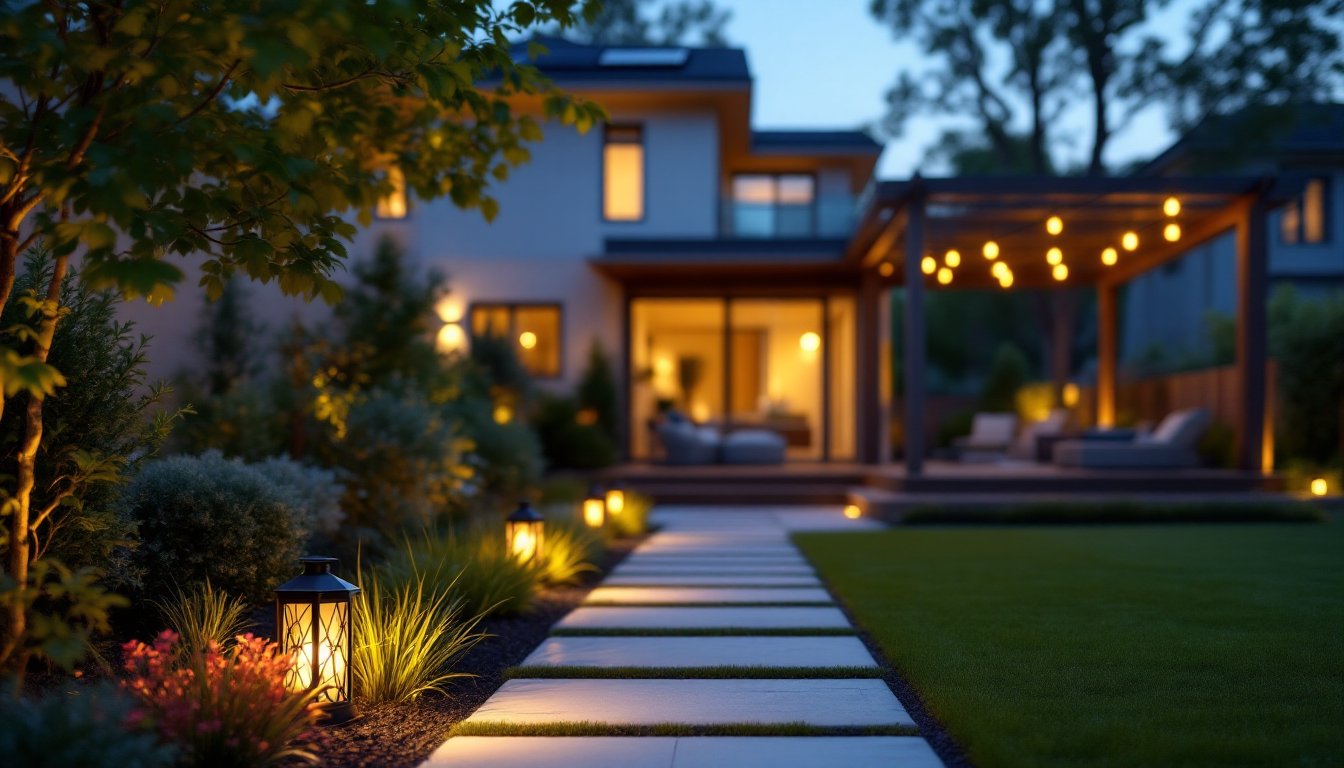
Path lights are the workhorses of solar outdoor lighting. These small stakes push into soil and cast a focused pool of light downward or outward, marking walkways, garden beds, or driveway edges. Most stand 12–18 inches tall and have a small built-in battery and solar panel on top. They’re cheap (often $5–20 each), easy to move, and you need a lot of them to light a long pathway effectively, usually one every 3–4 feet for visible definition.
Stake lights differ slightly: they’re often taller (24–36 inches) and designed to spotlight plants, accent garden features, or light a small yard corner. Both types work best when spaced evenly and positioned so their light overlaps slightly. A common mistake is planting them too far apart: the gaps create dark zones where someone can trip.
Solar String Lights and Decorative Options
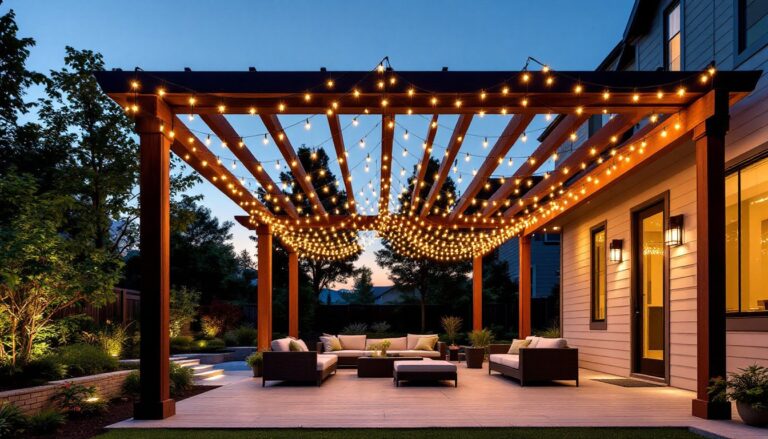
Solar string lights drape across a patio, pergola, or fence and create ambient mood lighting. They typically run 20–50 feet long with small bulbs (LED replicas of classic Edison or globe shapes) spaced every 12 inches. Unlike plug-in string lights, solar versions have a single solar panel that charges during the day, usually mounted at one end of the string.
Decorative solar lights include lanterns, bollards, spotlights, and hanging fixtures. Lanterns sit on decks or tables and cast light in all directions. Bollards are short posts (usually 12–24 inches) ideal for lining deck edges or outlining permanent outdoor lighting plans without the cost and complexity of low-voltage wiring. Because these lights don’t require installation (no digging, no conduit), they’re perfect for renters or homeowners uncertain about committing to a fixed design. For outdoor lights for patio use, string lights and lanterns are the fastest path to ambiance.
Key Features to Look for When Selecting Solar Lights
Battery capacity matters most. Look for lights with at least 1000–2000 mAh (milliamp-hour) capacity: smaller batteries drain quickly and won’t hold a charge through a full night, especially in winter. Larger units or premium models often feature 3000+ mAh batteries that last 8–12 hours on a single charge.
Solar panel efficiency determines how quickly the battery recharges. Monocrystalline panels (usually marked as such on the packaging) are more efficient than polycrystalline but cost slightly more. If you’re placing lights in partial shade, a larger panel area or higher-efficiency rating helps them gather usable light throughout the day.
Light output, measured in lumens, should match your intended use. Path lights typically deliver 10–50 lumens, enough to outline a walkway but not bright enough to read by. Patio lights or larger decorative fixtures might offer 100–300 lumens. If you need genuine task lighting (not just ambiance), go for higher lumens: if you want soft mood lighting, lower lumens are fine and actually preferable for creating a cozy atmosphere.
Color temperature affects the mood. Warm white (2700–3000K) feels cozy and pairs well with wood or brick. Cool white (5000K+) looks modern and is brighter for practical tasks. Many premium lights let you switch between modes.
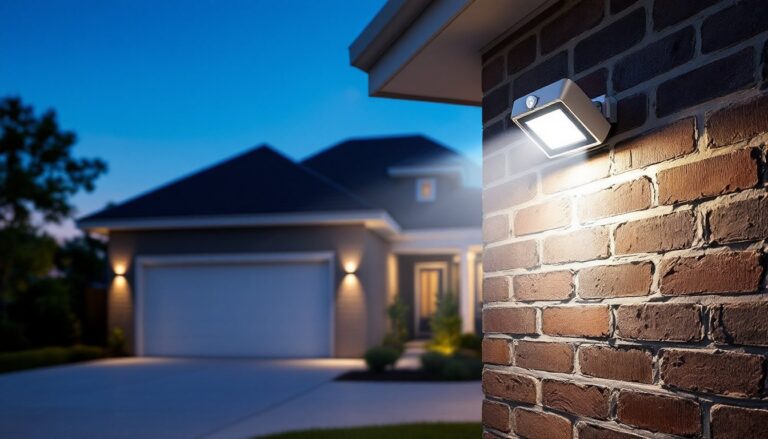
Motion sensors and dusk-to-dawn switches are common add-ons. Dusk-to-dawn sensors activate lights automatically when darkness falls: motion sensors brighten lights when movement is detected, saving battery life if the light sits unused for hours. Both are handy, though motion sensors sometimes trigger on wind-blown plants or passing wildlife. Recent landscape lighting ideas often incorporate these smart features to optimize energy use.
Installation and Placement Tips for Maximum Performance
Placement trumps everything. Solar lights need direct, unobstructed sunlight for at least 4–6 hours daily. If your yard is shaded by trees, buildings, or walls for much of the day, solar lights won’t charge fully, and nighttime output will suffer. Before buying, observe your yard during midday sun and mark areas that stay sunny all day.
Spacing depends on light type. Path lights need closer spacing (every 3–4 feet) to avoid dark gaps. Spotlight-style solar lights can be spaced further apart (6–10 feet) if you’re just accenting features. String lights look best draped loosely so the bulbs don’t crowd: 12–18 inches between bulbs is ideal.
Ground preparation is simple but important. Clear grass or weeds from the base of path lights so the stake seats firmly in soil. Soft or loose ground won’t grip the stake, and wind can knock lights over. If you’re placing lights in a patio or deck, use the provided adhesive mounts or weighted bases rather than stakes.
Orientation matters for solar panels. Angle the panel toward the strongest sunlight direction at your latitude. In the Northern Hemisphere, south-facing is ideal: in the Southern Hemisphere, north-facing. Avoid angling panels toward walls or reflective surfaces that might confuse the light sensor. For decorative solar lights, read the manual, some have panels that must face a specific direction to function properly.
If you’re designing a more permanent setup, explore low voltage landscape lighting kits as an alternative if solar alone doesn’t provide enough brightness. Solar and wired systems can coexist in the same yard.
Maintenance and Longevity of Solar Outdoor Lights
Solar lights are nearly maintenance-free, but a few seasonal checks keep them performing well. Every 2–3 months, wipe the solar panel with a dry cloth to remove dust, pollen, or bird droppings that reduce charging efficiency. Use a soft cloth or microfiber: harsh scrubbing can scratch the panel surface.
Battery replacement extends lifespan. Most solar lights use standard AA or AAA rechargeable batteries that degrade over 2–3 years. You can open the light and swap in a fresh battery (usually 15–30 minutes of work) rather than replacing the entire fixture. Expect to pay $5–15 for replacement batteries. Some premium lights feature sealed, non-replaceable batteries: check the product specs before buying if long-term repairability matters to you.
Winter care varies by climate. In areas with heavy snow, brush accumulation off the solar panel weekly: snow blocks sunlight entirely. If you live somewhere freezing, bring decorative lights like lanterns indoors for winter unless they’re rated for your temperature range. Path lights and stake lights, being small and durable, generally survive winter outdoors without issue.
Expected lifespan is typically 3–5 years for budget lights and 5–7+ years for quality brands. LEDs themselves last 25,000+ hours (much longer than the battery), so usually the battery dies before the light does. Battery technology is improving, so newer solar lights often outlast older ones. For comparison, outdoor lighting installation service using permanent wiring lasts 10+ years but costs far more upfront. Solar offers simplicity and lower initial expense, with the trade-off of shorter lifespan and occasional battery replacement.
When it’s time to retire old solar lights, remove the battery and recycle it at an electronics recycling center: don’t throw rechargeable batteries in the trash. The plastic and metal housing can often go in standard recycling too.
Making the Most of Your Solar Lighting Investment
Solar outdoor lights won’t replace hardwired landscape lighting for high-output illumination or complex designs, but they’re unbeatable for convenience, cost, and flexibility. Start with a modest setup, a string of lights over the patio or a few path lights along the walkway, and expand from there as you get a feel for what works in your space. Watch how shadows fall, notice which areas feel too dark, and adjust placement seasonally if needed. Unlike permanent installations, solar lets you experiment without commitment. Pair them with motion sensors or dimmers for even more control, and you’ve got outdoor lighting that truly adapts to how you use your yard, all without a single wire or permit.