Outdoor patio lighting does more than illuminate, it extends your living space into the evening and sets the mood for everything from intimate dinners to late-night conversations with neighbors. The challenge is figuring out which lights actually work for your layout without wasting money on fixtures that don’t fit your needs or underperform once installed. Whether you’re working with a compact balcony or sprawling backyard, the right outdoor patio lights transform how you use your space after sunset. This guide walks through the practical decisions: what types of outdoor home lighting exist, how to assess your specific patio layout, and what installation and safety steps actually matter.
Table of Contents
ToggleKey Takeaways
- Outdoor lights for patio extend usable living space by several hours and increase patio usage by up to 40% during spring and fall evenings when properly designed.
- Layer multiple light types—ambient, task, and accent lighting—to create depth, ensure safety, and highlight landscaping features without relying on a single fixture.
- String lights and bistro fixtures are affordable, DIY-friendly solutions that work best on patios with two opposite mounting points, while spotlights (15-watt LED models) efficiently highlight architectural details and landscaping.
- All outdoor patio lights must meet location-specific ratings: wet-location fixtures are required within 10 feet horizontally and 5 feet above decking to prevent shock and corrosion.
- LED bulbs for outdoor lighting use 8–10 watts versus 60 watts for incandescent equivalents, paying back higher upfront costs through energy savings within five years while lasting 25,000–50,000 hours.
- Hardwired installations require a licensed electrician and permit (typically $50–$150), while plug-in and solar options allow DIY setup without the expense or complexity of electrical code compliance.
Why Patio Lighting Matters for Your Outdoor Living Space
Patio lighting isn’t a luxury, it’s a functional necessity that expands usable daylight hours by several hours each evening. Beyond the obvious benefit of seeing where you’re walking, thoughtful outdoor lighting creates depth, highlights landscaping, and establishes different zones for relaxation, dining, or entertaining.
A poorly lit patio feels cramped and uninviting after dark. Conversely, permanent outdoor lighting that’s properly layered, combining ambient, task, and accent light, makes the space feel intentional and safe. Homeowners who invest in strategic patio lamps outdoor lighting report using their patios 40% more during spring and fall evenings.
Safety matters too. Stairs, deck edges, and pathway hazards become trip risks without adequate illumination. Building codes in most jurisdictions require outdoor stairways to be lit for safety. Beyond code compliance, good lighting deters intrusions and makes your home’s exterior feel secure and welcoming.
Essential Types of Outdoor Patio Lights and What They Offer
Outdoor patio lighting comes in several functional categories, each serving a specific purpose. Understanding the difference helps you avoid buying fixtures that look great in photos but don’t solve actual problems on your patio.
String Lights and Bistro Options
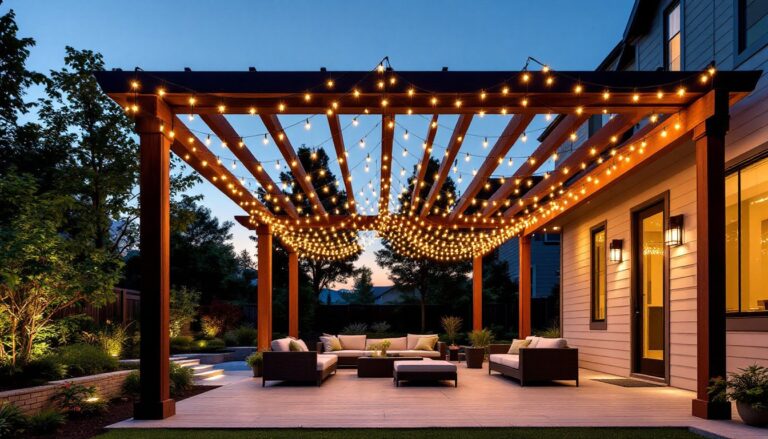
String lights are the workhorse of outdoor patio ambiance. Cafe-style bistro lights (typically 35-foot strands with 1.5-inch bulbs spaced 12 inches apart) create intimate overhead warmth that makes smaller patios feel intentional. Edison-style bulbs offer nostalgic charm, while modern clear or frosted options blend better with contemporary decor.
String lights have evolved from temporary party decorations to permanent outdoor lighting fixtures that rival hardwired solutions when properly supported. They’re affordable to install, most homeowners can run them between posts or trees without a licensed electrician, though you’ll want outdoor-rated extension cords and weatherproof connections.
Key consideration: String lights work best on patios where you can mount points at two opposite ends (posts, pergolas, or house walls). Estimate bulb spacing visually before buying: running lights too high creates harsh shadows, too low and they obstruct sightlines.
Spotlights and Accent Lighting
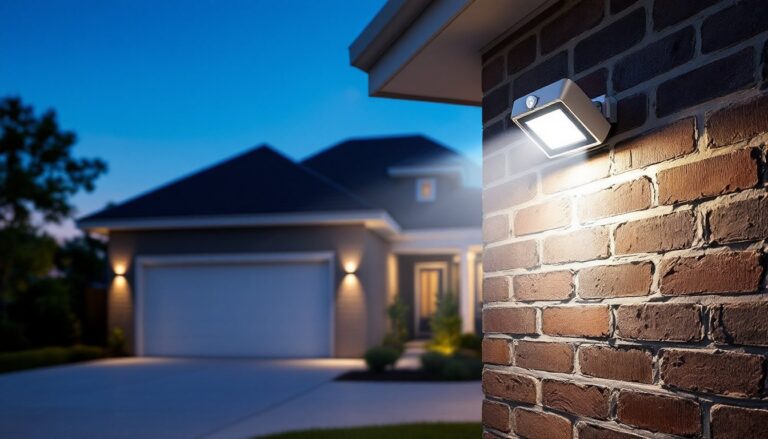
Spotlights serve a different role than ambient lights. They highlight landscaping features, architectural details, or focal points like specimen plants or stone work. A 15-watt LED spotlight throws light 20 to 30 feet and uses a fraction of the power older halogen models demanded.
Accent lighting is directional, it points at something, not across the entire patio. Uplighting trees creates drama: washing a stone wall with subtle light adds dimension. Most accent setups use 3 to 5 strategically placed fixtures rather than full coverage. This approach costs less than ambient lighting while creating professional-grade ambiance.
How to Choose the Right Lights for Your Patio Layout
Before shopping for fixtures, measure your patio and walk it at dusk to understand what’s actually dark. Smartphone flashlights create a decent rough test: shine one around the space and visualize where permanent outdoor lighting would help most.
Start with measurements. Record patio dimensions, height of any overhead structures (pergolas, soffits), and identify load-bearing posts or attachment points. If you’re mounting lights on your house, note where rafters or structural framing sits, lights need solid backing, not just drywall.
Next, define lighting zones. A dining area needs task lighting, clear visibility on food and faces, typically 500 to 750 lumens for a table of 4 to 6 people. A lounging area can work with dimmer ambient light (200 to 400 lumens). Pathways require subtle but continuous light, 50 to 100 lumens at ground level is sufficient and won’t create glare.
Consider sightlines carefully. Overhead lights that point downward cast faces in shadow: offset string lights or wall-mounted fixtures eliminate this issue. A well-designed patio blends multiple light sources so no single fixture dominates.
Material compatibility matters. If you have a wood pergola, you can screw in outdoor ceiling lighting fixtures directly (assuming they’re listed for damp locations, typically marked IP65). Stone or composite structures require different hardware, masonry anchors or surface-mounted conduit depending on local code.
Installation and Safety Considerations
Installation complexity depends on how you power the lights. Plug-in string lights or solar fixtures are DIY-friendly: hardwired fixtures require a licensed electrician in most jurisdictions (especially if you need a new circuit breaker or GFCI outlet). Don’t skip this step, electrical work on exterior structures is explicitly regulated under the National Electrical Code (NEC) in most states.
Safety first. All outdoor lights must be rated for their location. “Wet location” fixtures are required within 10 feet horizontally and 5 feet above decking or patio surfaces. Read the label: “damp location” isn’t enough for areas that receive rain or sprinkler spray. Mismatched ratings void warranties and create shock or corrosion risks.
Use GFCI protection (ground-fault circuit interrupter) for any outdoor outlet. A standard outlet lacks the fault-detection that GFCI provides: if you’re running extension cords, buy GFCI extension cords rated for outdoor use, not standard ones repurposed outdoors.
For hardwired installations, outdoor sconce lighting or ceiling fixtures must be mounted on solid framing and typically require junction boxes rated for outdoor use. Most municipalities require a permit for any permanent hardwired lighting, get one before starting. The cost (usually $50–$150) is minimal compared to fines or liability if something goes wrong.
When mounting lights on existing structures, use corrosion-resistant hardware (stainless steel or galvanized fasteners, not standard steel bolts). Outdoor fasteners corrode quickly in salt-air regions or humid climates: cheap hardware ruins expensive fixtures.
Personal protective equipment (PPE) matters even for “simple” projects. Wear safety glasses when drilling overhead or working at height, and wear work gloves when handling metal brackets or sharp edges.
Smart and Energy-Efficient Lighting Solutions
Modern outdoor lighting blends convenience with efficiency. Smart bulbs let you control color temperature, dim, or switch off lights from your phone, useful if you forget to turn off patio lights before leaving home or want to adjust mood without walking outside.
LED technology dominates for good reason. A standard incandescent patio bulb uses 60 watts and lasts ~1,000 hours. An LED equivalent delivers identical brightness at 8 to 10 watts and runs 25,000 to 50,000 hours. Over five years, the energy savings alone pay back the higher upfront cost, plus you’re not replacing burned-out bulbs mid-dinner party.
Solar patio lights have improved significantly. Older solar stakes cast dim light: today’s solar string lights and outdoor lighting solutions deliver 100+ lumens and run 8 to 12 hours on a full charge. They’re ideal for accent lighting or supplemental ambiance, though they won’t replace hardwired task lighting in shaded patios.
When selecting bulbs, pay attention to color temperature (measured in Kelvin). Warm white (2700K) mimics incandescent and suits intimate patios: cool white (5000K) feels industrial and suits security or work zones. For patio ambiance, stick with 2700K unless you specifically want a modern, bright aesthetic.
Dimmers expand flexibility. A dimmable LED string light or sconce system lets you shift from task lighting (full brightness for dining prep) to mood lighting (30% for evening relaxation) without rewiring. Smart dimmers controlled via smartphone add convenience, though they cost more than standard dimmer switches.
Consider smart home integration if you’re already running other connected devices. Outdoor lighting increasingly integrates with security systems, motion sensors, and voice control. For most homeowners, a simple motion sensor on entry-point lights (porch, deck stairs) provides security value without complexity.
Final Thoughts: Layering Light for Maximum Enjoyment
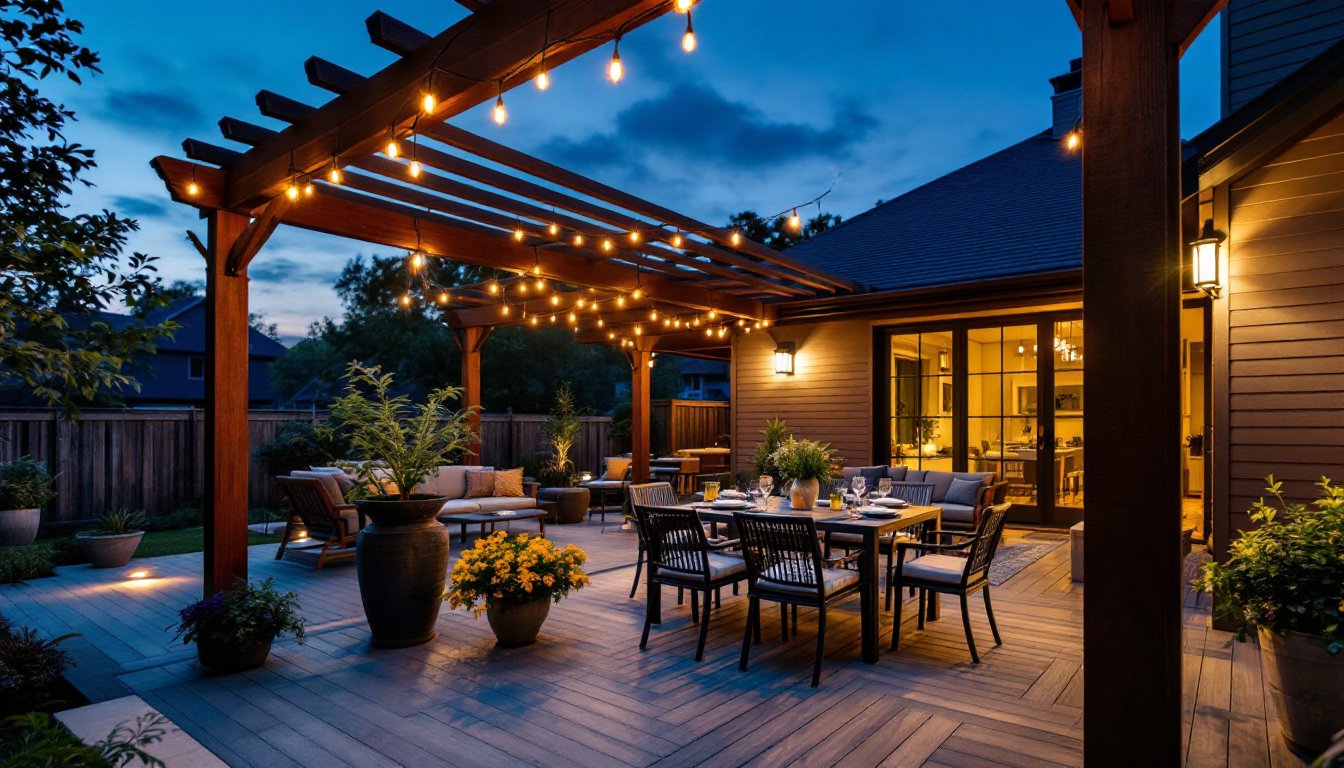
The best patio lighting strategies combine multiple fixture types, overhead ambient light, task lighting for dining or work areas, and subtle accent fixtures that highlight the space’s best features. Start with a practical assessment of your patio’s dimensions and traffic patterns, then build a plan that addresses safety first and ambiance second.
Whether you go with affordable string lights, permanent hardwired fixtures, or a hybrid approach mixing solar and plug-in options, the goal is an outdoor space that feels intentional, safe, and inviting after dark. Your patio should extend your home’s functionality, not sit dark and unused once the sun sets.