A good dining room light fitting does more than push back shadows, it shapes how your family gathers, how guests perceive the space, and whether that heirloom table actually looks like an heirloom or a yard-sale rescue. Getting the right fixture matters, but knowing where to start can feel overwhelming. This guide walks you through the essentials: how much light you actually need, which styles work best for different room types, how to size and install your choice safely, and how to match it all to your décor and budget. Whether you’re replacing a builder-grade fixture or starting fresh in a new space, you’ll find practical advice that treats the dining room as the anchor it deserves to be.
Table of Contents
ToggleKey Takeaways
- A dining room light fitting should provide 20–30 foot-candles of brightness for optimal eating and conversation, with proper dimmer controls to adjust mood for different gatherings.
- Mount your main fixture 30–36 inches above the tabletop and size it using the rule: fixture width should be 12 inches less than your room width (in feet), or 12–24 inches smaller than your table width.
- Layer your dining room light fitting with secondary sources like wall sconces or buffet lights to eliminate harsh shadows and create sophisticated, ambiance-friendly lighting.
- Pendant lights offer flexible styling and easier updates than chandeliers, while semi-flush mounts solve headroom challenges in 8-foot ceilings without sacrificing style or function.
- For DIY installation, always use a voltage tester and follow the National Electrical Code; hire a licensed electrician for new wiring, ceiling boxes, or structural work to ensure safety and code compliance.
- Budget-conscious shoppers should invest $50–150 in mid-range fixtures that prioritize durability and timeless design over trendy finishes that quickly look dated.
Understanding Dining Room Lighting Needs and Placement
Dining room lighting serves a triple duty: it needs to be bright enough for eating and conversation, adjustable enough to shift mood without blinding guests, and positioned so everyone at the table gets even light without harsh shadows across their faces. Start with foot-candles (lumens divided by the square footage of the room). The Illuminating Engineering Society recommends 20–30 foot-candles for dining tables, roughly twice that of a living room. If your dining room is 12 feet by 14 feet (168 square feet), aim for 3,360 to 5,040 lumens from your main fixture.
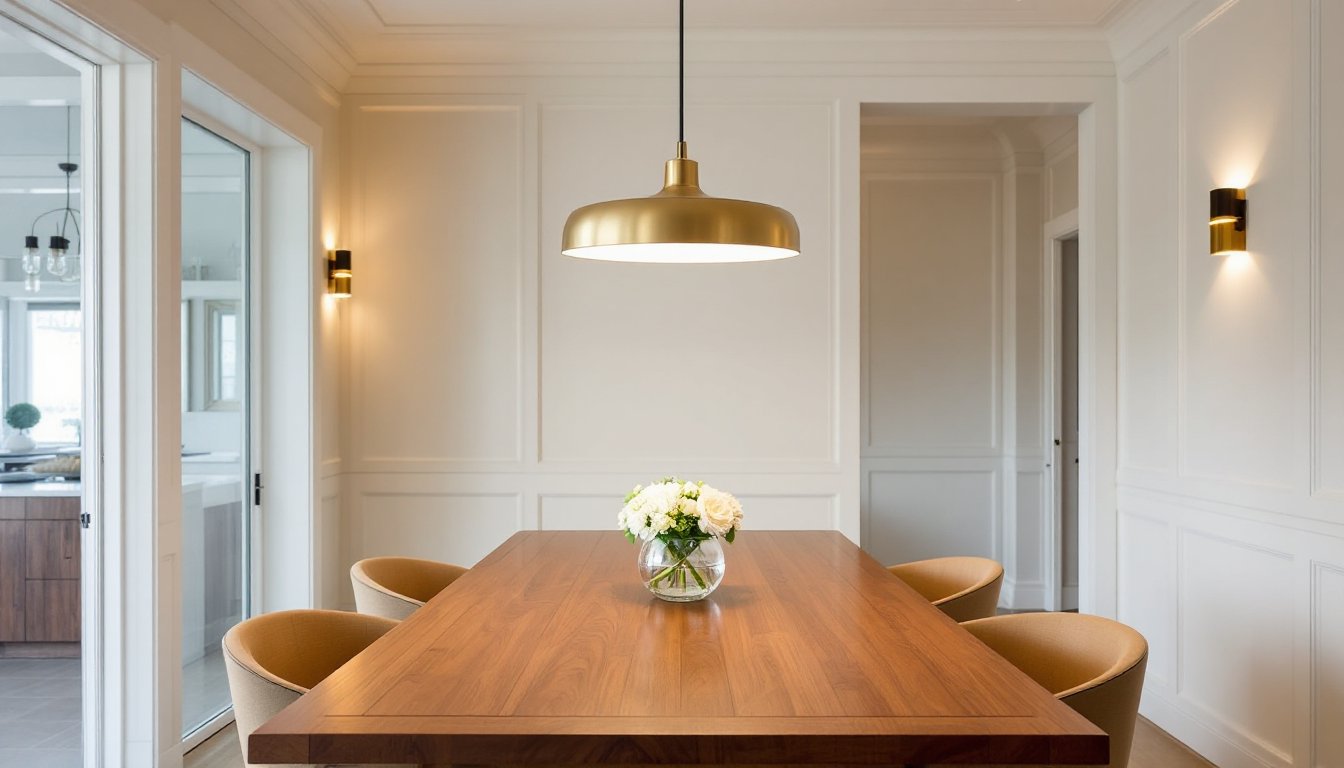
Placement matters just as much as brightness. The center of the table is the obvious choice, but measure twice before drilling. Most ceiling fixtures should hang 30–36 inches above the tabletop, high enough that diners don’t bump heads or get blinded, low enough that the fixture feels anchored to the table, not floating. If your ceiling is vaulted or unusually high, measure from the table surface, not the ceiling. Also consider whether you need dimmers: they’re worth the $15–30 upgrade, because family dinners and dinner parties demand different lighting levels, and harsh overhead light kills ambiance faster than burnt roast.
Secondary lighting helps too. Wall sconces, buffet lights, or even a candlelit centerpiece layered under an overhead fixture creates depth and cuts the glare that single-source dining lighting creates. Many designers recommend a main fixture plus at least one other light source in the room to avoid that interrogation-room feel.
Key Light Fitting Styles for Modern and Traditional Dining Rooms
Your light fitting should echo the room’s personality. A sleek modern dining room with an industrial island kitchen calls for something different than a traditional formal space with wainscoting and crown molding. Think of the fixture as part of the décor, not just a utility.
Chandeliers and Pendant Lights
Chandeliers command attention. A multi-arm crystal, brass, or candle-style chandelier reads formal and traditional: a modern sputnik or minimalist metal chandelier feels contemporary. The key is proportion: a chandelier should be roughly one-third the width of your table or one-half the width of the room (whichever is smaller). Too big and it dominates: too small and it looks like an afterthought. Contemporary dining room lighting can lean on sleeker chandeliers or clustered single-bulb designs that echo modern sensibilities.
Pendants are the workhorse. Single large pendant or a trio clustered over a long table, pendants give you flexibility in style, material, and color. Chrome pendant lighting brings industrial polish, while fabric shades soften the mood. Pendants are also easier to swap out if your taste shifts, no rewiring the entire chandelier mechanism. For budget shoppers, DIY pendant lighting kits offer socket, cord, and basic hardware for $20–60, letting you pair them with shade or globe of your choice.
Semi-Flush and Flush Mount Options
Semi-flush mounts (6–12 inches from the ceiling) and flush mounts (nearly touching) solve the headroom problem in low ceilings. They’re less dramatic than pendants but still offer style range, drum shades, glass bowls, geometric frames. A semi-flush with a linen shade reads soft and transitional: the same style in brushed metal feels contemporary. These are practical for 8-foot ceilings where a 24-inch pendant would feel claustrophobic. Most semi-flush and flush options include a decorative canopy (the plate around the ceiling hole) that hides the wiring and mounting bracket.
According to interior design resources like MyDomaine, mixing a statement flush mount with wall sconces balances the visual weight when ceiling height is limited. Dining area light fixtures in this category often cost $30–150 for solid options that last decades, making them budget-friendly compared to some pendant or chandelier setups.
Sizing, Installation, and Safety Considerations
Sizing a light fitting for your dining room means checking three things: the room’s square footage (for lumen output), the width of your table or the width of the room (for fixture diameter), and your ceiling height (for hanging distance and style type).
Diameter rule: Subtract 12 inches from the width of your room (in feet) to get your ideal fixture width in inches. A 12-foot-wide dining room needs roughly a 24-inch fixture. For tables, the fixture should be 12–24 inches smaller than the table width. A standard 36-inch round table pairs well with a 20–24-inch fixture.
Installation requires honesty about your skill level. If you’re hanging from an existing electrical box, turning off the breaker, disconnecting the old fixture, and installing the new one is a moderate DIY task, expect 1–2 hours. You’ll need a voltage tester (a must-have safety tool, $8–15), a ladder, wire strippers, wire nuts (usually included), and basic hand tools. Many light fittings come with mounting hardware and instructions: follow them exactly.
If there’s no existing ceiling box, you need to install one. This usually requires cutting into the ceiling to access joists, securing a brace between joists, and running electrical wire through the joists to a nearby junction box or the breaker panel. This is structural, involves the electrical system, and often requires a permit and licensed electrician. Check your local building code, most jurisdictions require a licensed electrician for any new permanent wiring. The NEC (National Electrical Code) mandates that recessed boxes be secured, that junction boxes be accessible, and that all connections be properly rated for the amperage. Don’t skip this: fires and injuries from improper electrical work aren’t rare.
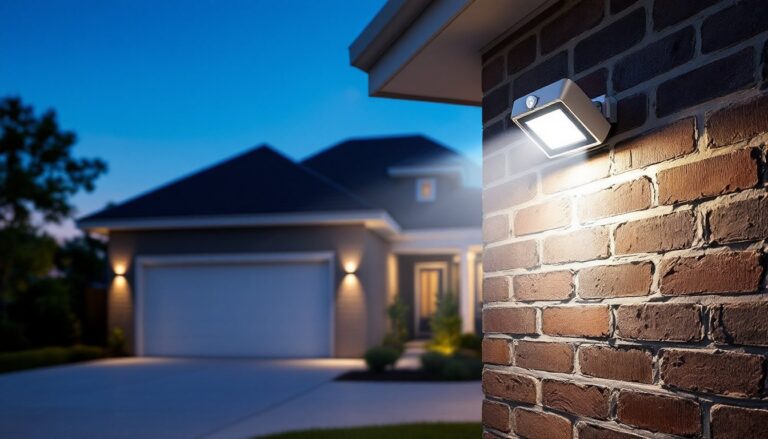
For outdoor light motion sensor installations near a dining area (patio or exterior dining space), follow the same electrical safety rules. Motion sensors add convenience but need weatherproof boxes, proper grounding, and placement that doesn’t trigger on passing cars or animals.
PPE and tools: Wear safety goggles if you’re drilling overhead, gloves when handling wire, and a dust mask if you’re cutting into drywall. Have a helper steady the ladder and hand you parts, installing overhead fixtures alone is harder than it looks and riskier.
Matching Your Light Fitting to Dining Room Décor and Budget
A light fitting doesn’t have to cost a lot to look intentional. The trick is matching it to your room’s overall style and choosing quality over trends.
Modern and industrial rooms work well with brushed brass, matte black, or chrome fixtures, clean lines, minimal ornamentation. Traditional and formal spaces suit crystal or ornate metal chandeliers, or warm brass pendants with fabric shades. Transitional décor (the most common home style) benefits from simple geometric shapes in neutral metals, which read as neither too trendy nor too dated.
Budget breakdown:
- Under $50: Flush mounts, basic pendant kits, standard metal fixtures. Expect plastic or thin-gauge metal: adequate for renters or short-term solutions.
- $50–150: Mid-range pendants, semi-flush mounts, simple chandeliers. Real glass, heavier metal, better finishes. This is the sweet spot for most homeowners.
- $150–400: Designer pendants, quality brass or wood fixtures, hand-finished shades. These become statement pieces.
- $400+: High-end crystal chandeliers, artisan-made fixtures, custom installations.
When comparing options, ask: Will this still look okay in five years? Does it coordinate with your cabinet color and countertop material? Can you easily find replacement bulbs and shades? A simple light fitting dining room piece in brass or matte black will outlast trendy rose gold or ultra-industrial raw steel, which can look dated quickly.
Layering also stretches your budget. A $70 flush mount over the table, paired with $30 battery-powered LED sconces on the buffet, costs less than a single $150 fixture but creates more sophisticated lighting. Resources like House Beautiful’s dining room lighting guide showcase how smart combinations beat single statement pieces.
One more note: if you live in a rental, check your lease before drilling. Many landlords allow fixture swaps (you reinstall the original when you move), which opens up affordable, temporary upgrades. Use adhesive hooks or clip-style track systems instead of hardwiring when possible.
Conclusion
Choosing a dining room light fitting is both practical and personal. You need the right lumens for functionality, the right size and height for proportion, and the right style for your home’s personality. Start by measuring your space, understanding your ceiling height and table dimensions, and being honest about whether you’re comfortable with DIY installation or need an electrician. Then pick a fixture that balances durability, budget, and your décor. A well-chosen light fitting anchors the dining room for years, making every meal, casual or formal, feel intentional. Take your time, measure twice, and don’t rush into the first option you find.