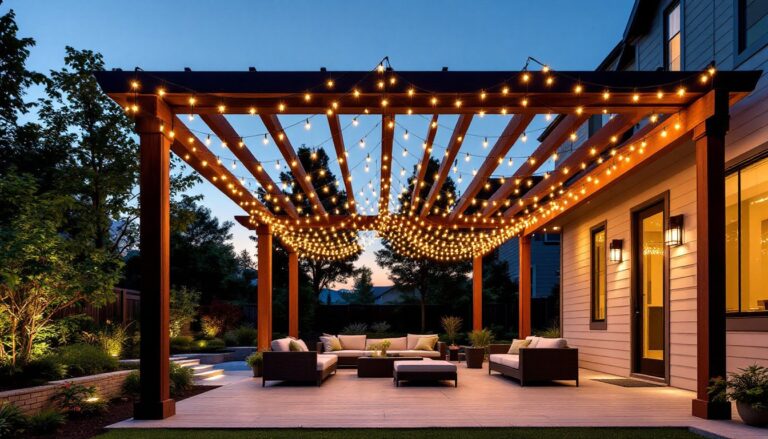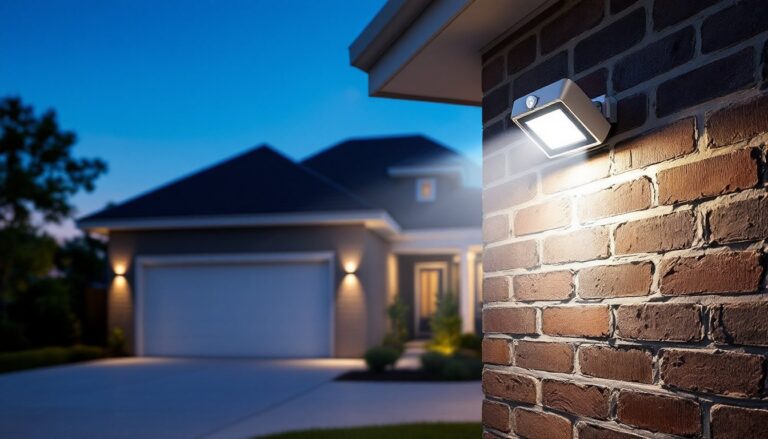
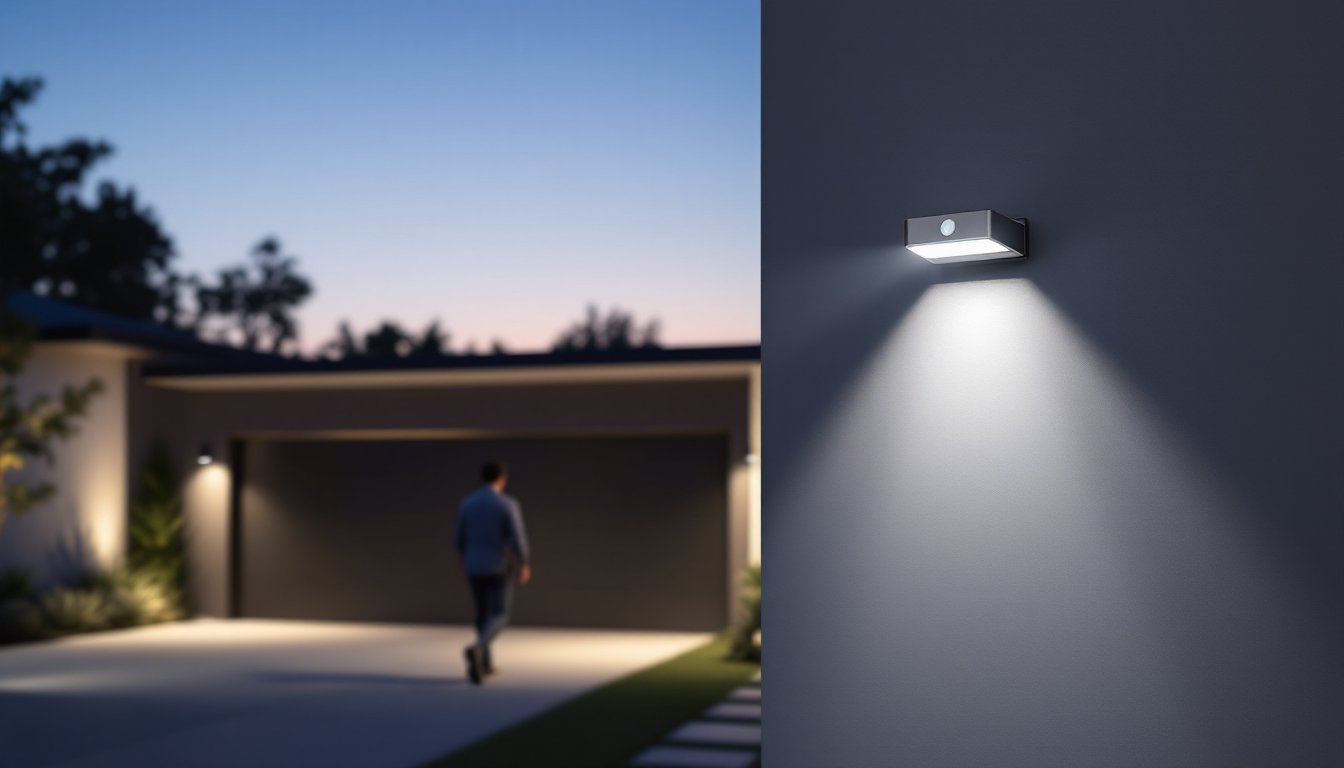
A motion-activated outdoor light flips on the instant someone walks past your garage, then shuts off when they’re gone. No wasted electricity, no fumbling for switches in the dark. These fixtures have become a DIY staple because they’re practical, affordable, and they genuinely improve both security and convenience around your home. Whether you’re lighting a driveway, entryway, or backyard walkway, motion-activated lights do the heavy lifting for you. They’re also refreshingly simple to install if you understand the basics of wiring and sensor placement.
Table of Contents
ToggleKey Takeaways
- Motion-activated outdoor lights improve home security by deterring intruders while reducing electricity costs since they only operate when movement is detected.
- Choose from solar-powered, battery-powered, or hardwired motion-activated outdoor light systems based on your electrical setup and brightness requirements.
- Look for fixtures with 1000+ lumens for security applications, adjustable sensitivity to prevent false triggers, and dusk-to-dawn functionality to eliminate daytime activation.
- Hardwired installations require turning off power at the breaker and matching wire colors carefully, while solar and battery-powered options offer quick setup without electrical work.
- Maintain motion-activated lights by keeping sensor lenses clean, checking battery levels seasonally, inspecting caulking for weather seals, and positioning sensors to detect approaching movement while avoiding false triggers.
- Modern LED motion-activated fixtures use significantly less energy than traditional incandescent outdoor lighting while delivering 25,000+ hour lifespan ratings.
Why Motion-Activated Outdoor Lights Are Worth Installing
Motion-activated outdoor lights are built around a straightforward idea: detect movement, turn on the light, then turn it off after a set duration. That simplicity makes them valuable for multiple reasons.
First, security. Intruders generally avoid well-lit areas. A motion-activated fixture on your home’s exterior acts as a deterrent without running all night. Your electric bill stays lower because the light only activates when needed. For entryways, driveways, and garages, this adds a layer of protection you’d otherwise have to achieve by leaving lights on constantly.
Second, convenience. Coming home with groceries or a sleeping child in your arms? The light switches on automatically. No hunting for a porch light switch or fumbling with keys in darkness. Guests appreciate the same benefit.
Third, energy efficiency. LED motion-activated fixtures consume far less power than traditional incandescent outdoor lighting. Combined with the sensor turning them off after motion stops, you’re looking at meaningful savings over time, especially if you’re replacing older outdoor floodlights or leaving porch lights on during evening hours.
Types of Motion-Activated Outdoor Lights to Consider
Motion-activated fixtures come in several varieties, each suited to different spaces and electrical setups.
Wall-mounted security lights are the most common DIY choice. They attach directly to your home’s exterior wall, mount flush or with a small arm bracket, and integrate easily into existing electrical circuits or work as standalone battery units. Floodlights with motion sensing cast a wide, bright beam and work well for large areas like garages or driveway aprons. Spotlights are narrower, directing light toward a specific feature or entry point. Dusk-to-dawn motion lights combine a light sensor and a motion sensor, so they stay dormant during daylight and activate only after sunset if motion is detected. This prevents false triggers from passing cars or wind-blown branches during the day.
Solar-Powered Options
Solar lawn lights and solar motion sensor lights are the path of least resistance for DIYers avoiding wiring altogether. These units sit on a post, stake, or mounting bracket and charge during the day via an integrated solar panel. At night, when motion is detected, an internal battery powers an LED. No electrical service required, no junction box, no wire connectors, just position the unit where it gets direct sunlight and it’s operational.
The tradeoff? Solar units typically deliver less brightness than hardwired fixtures because battery capacity is limited. They also depend on adequate sunlight exposure: a spot under trees or on a north-facing wall will underperform. Most solar motion lights are better suited for pathway and accent lighting rather than primary security illumination near main entrances.
Hardwired and Battery-Powered Systems
Hardwired lights draw power directly from your home’s electrical panel or an existing outdoor circuit. If you already have a porch light circuit or an exterior outlet nearby, tapping into it for a new motion fixture is straightforward. Hardwired systems deliver consistent, bright illumination and never lose power due to dead batteries.
Battery-powered motion lights bridge the gap. They don’t require wiring but offer more flexibility in placement than solar units. Replaceable D-cell or AA batteries power the fixture, and many modern designs use rechargeable batteries. Battery-powered units work well for temporary installations, rental situations, or spots where running new electrical lines isn’t practical. Plan on checking and swapping batteries annually, depending on usage.
Key Features to Look For When Choosing
Not all motion-activated lights perform equally. Focus on these specs when shopping.
Detection range determines how far away the sensor “sees” movement. Most residential fixtures detect motion between 20 and 40 feet: some reach 70 feet or more. Closer ranges suit narrow walkways: wider ranges suit large yards and driveways.
Detection angle tells you the sensor’s field of view, typically 100 to 180 degrees. A wider angle reduces blind spots but may trigger false activations from passing traffic on a nearby street.
Brightness is measured in lumens. A 400–800 lumen fixture suits accent and pathway lighting. Security lights near main entries or garages should deliver 1000+ lumens for clear visibility. Older incandescent motion lights often produced 500 lumens or less: modern LEDs hit those targets while using a fraction of the power.
Adjustable sensitivity prevents false triggers from small animals or windblown branches. Quality fixtures let you dial the sensor to ignore movement below a certain size or distance.
Timer settings control how long the light stays on after motion stops. Options usually range from 30 seconds to 10 minutes. Shorter durations save electricity: longer durations ensure someone walking slowly through the area doesn’t see the light cut off mid-stride.
Dusk-to-dawn functionality uses a light sensor to keep the motion detector inactive during daylight, eliminating wasted cycles and false triggers. It’s worth the small premium for fixtures where stray daylight might wake the sensor.
For solar lawn light options, examine battery capacity and panel size. Larger panels and higher-capacity batteries mean more consistent performance on cloudy days or in fall/winter when daylight hours shrink. Also check that the solar panel is removable or adjustable: some units have fixed angles that don’t optimize for your latitude.
Installation Tips for DIY Homeowners
Installing a motion-activated outdoor light depends on your setup, solar, battery-powered, or hardwired.
For solar and battery-powered units, installation is nearly instant. Mount the fixture to a wall, fence post, or stake according to the manufacturer’s bracket design. Ensure the solar panel faces south (in the Northern Hemisphere) to maximize charge. Test the sensor sensitivity indoors first if possible, then deploy outdoors. Most take 24–48 hours of sunlight before batteries are fully charged.
For hardwired installations, safety comes first. Turn off power at the circuit breaker before touching existing wiring. Use a voltage tester to confirm the wire is de-energized. Remove the old fixture by carefully unscrewing the mounting hardware and disconnecting the wire connectors.
Inspect the existing wiring. Most outdoor fixtures use 14/2 or 12/2 Romex cable (two-conductor plus ground). Match the new fixture’s wiring: typically a black (hot) wire, white (neutral) wire, and bare copper (ground) wire. Use wire connectors rated for outdoor use (often UL-listed twist-on connectors) to join wires. If the old wire colors don’t match the new fixture, use a voltage tester to verify which wire is hot before connecting.
Secure all wiring inside the fixture housing, then attach the fixture to the wall with the provided brackets. Apply silicone caulk around the wall plate to seal out moisture. Restore power and test the light. Adjust the sensor sensitivity, timer duration, and angle as needed.
For best results, position the sensor so it “sees” approaching movement (toward a door or driveway entry) rather than parallel motion. Aim the light beam to illuminate the approach zone without glare into nearby windows.
Maximizing Performance and Longevity
A motion-activated fixture installed correctly will perform reliably for years, but a few maintenance habits extend its life.
Keep the sensor lens clean. Dust, spider webs, and debris reduce the sensor’s sensitivity. Wipe the lens quarterly with a soft, dry cloth. Avoid harsh cleaners that can scratch the lens.
Position fixtures to reduce false triggers. Aim the sensor downward slightly if possible, so it detects foot traffic but ignores wind-moved branches overhead. If the fixture is triggering constantly from passing cars, adjust its sensitivity dial lower or relocate it.
Check batteries regularly on battery-powered and solar units. For replaceable batteries, swap them annually in fall before winter use. For rechargeable units, check that the charge level is adequate by testing the light in a dark room. A solar lawn light that barely glows at night has likely lost charging capacity and may need replacement batteries or a new unit.
For hardwired fixtures, inspect the wiring annually, especially before winter. Ensure the caulk around the wall plate is intact, cracked or missing caulk lets moisture into the junction box, risking corrosion and short circuits. Recaulk if needed using silicone-based outdoor caulk. When examining outdoor flood lighting configurations, the same principle applies: sealed connections prevent weather damage.
Replace bulbs or components per manufacturer specs. Most LED motion fixtures are rated for 25,000–50,000 hours, but older halogen or incandescent versions may require bulb replacement every season. Check the packaging or manual.
For landscape timers integrated with motion sensors, verify the settings align with your usage. A fixture set to activate only between sunset and 11 p.m. won’t help if your late-night arrival is at midnight. Review the timer manually once or twice yearly. The relationship between landscape lighting timers and motion sensors ensures you get predictable, secure illumination without constant adjustment.