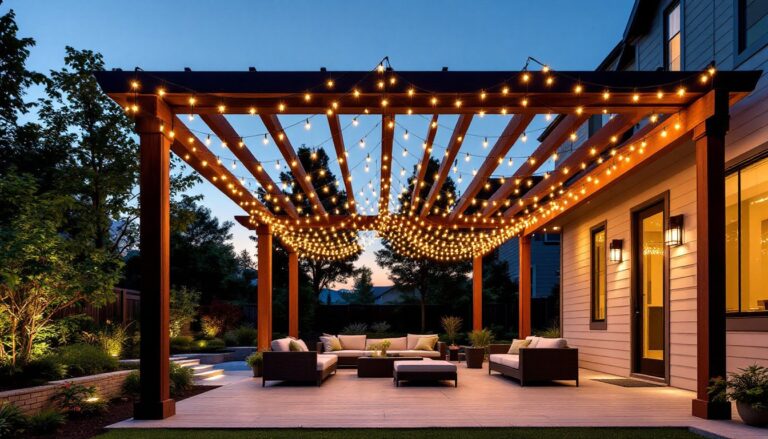
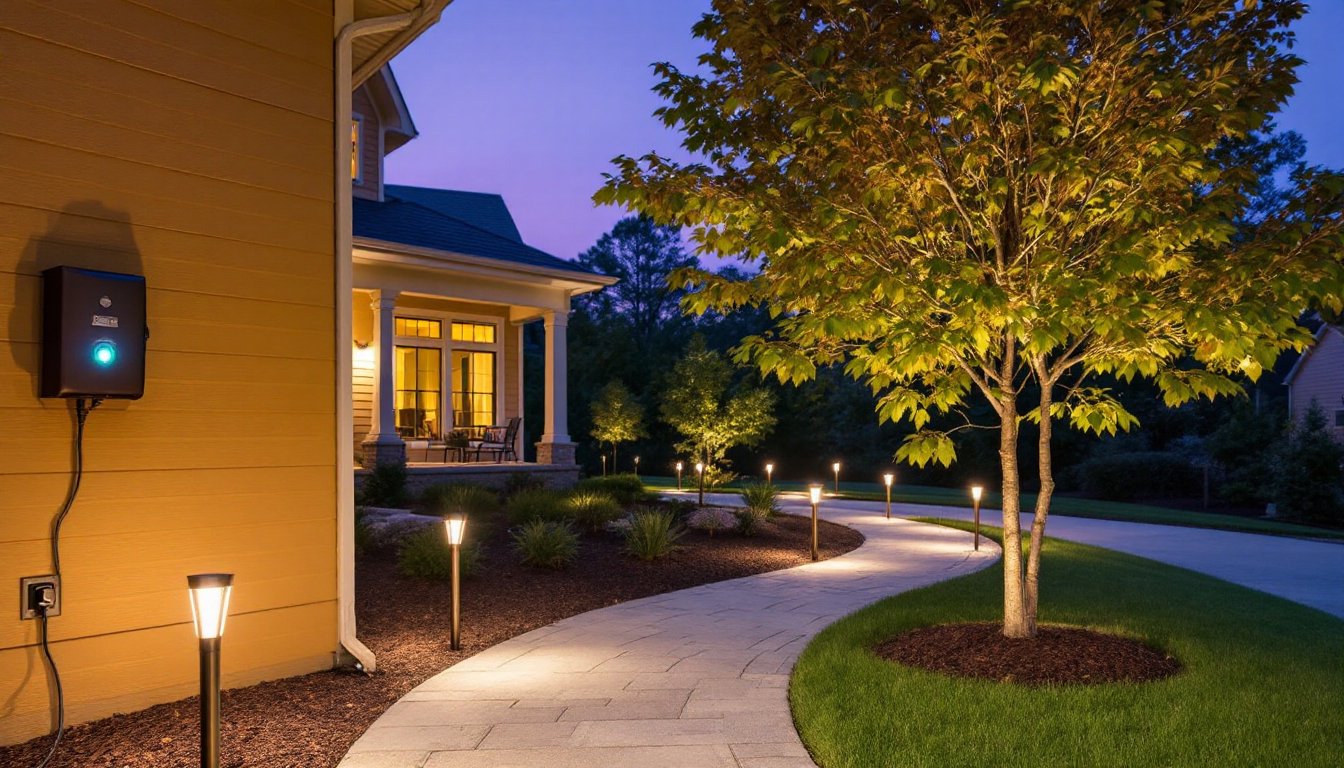
Low voltage outdoor lighting kits have become the go-to solution for homeowners who want professional-looking landscape lighting without the complexity and risk of standard 120-volt installations. These systems run on just 12 volts, making them safer to install, easier to troubleshoot, and flexible enough to adapt as a landscape matures. Whether someone’s lighting a walkway, accenting a garden bed, or adding security around a home’s perimeter, low voltage kits offer a practical entry point that doesn’t require an electrician or a permit in most jurisdictions.
Table of Contents
ToggleKey Takeaways
- Low voltage outdoor lighting kits operate at just 12 volts, eliminating shock hazards and eliminating the need for electrical permits or licensed electricians in most jurisdictions.
- Most low voltage kits cost $100–$300 for a complete system with transformer and fixtures, making them significantly more affordable than standard 120-volt installations.
- Proper transformer sizing—choosing a unit rated at least 20% higher than total fixture wattage—ensures reliable performance and headroom for future expansion.
- Cable gauge matters: use 12-gauge wire for runs up to 100 feet, 14-gauge for under 50 feet, and 10-gauge for runs exceeding 100 feet to minimize voltage drop.
- DIY installation involves simple steps—planning layout, mounting the transformer, laying cable in a 2–4 inch trench, connecting fixtures, and testing—making low voltage outdoor lighting an accessible weekend project for most homeowners.
- Seasonal maintenance like cleaning fixtures twice yearly, checking connections annually, and trimming vegetation keeps the system performing optimally for years without constant upkeep.
What Are Low Voltage Outdoor Lighting Kits?
A low voltage outdoor lighting kit is a packaged system that steps down household 120-volt AC power to a safer 12-volt DC output using a transformer. The kit typically includes the transformer, a set of fixtures (usually 4 to 10 lights), wire cable, connectors, and mounting hardware.
The transformer plugs into a standard outdoor GFCI-protected outlet and converts the voltage before sending power through buried or surface-laid cable to each fixture. Because the voltage is so low, there’s minimal shock risk even if a cable is nicked during installation.
Most kits are designed for specific applications: path lighting, spotlighting, deck or patio accent lighting, or security lighting. Fixtures in a kit are usually matched in style and wattage, which simplifies design and ensures the transformer can handle the total load. Some kits include integrated LED bulbs rated for 25,000+ hours, while others use replaceable bulbs.
Why Choose Low Voltage Over Standard Outdoor Lighting
Standard 120-volt outdoor lighting requires conduit burial, junction boxes, and often a licensed electrician to meet National Electrical Code (NEC) requirements. It’s overkill for most landscape projects and can cost significantly more upfront.
Low voltage systems offer several practical advantages:
- Safety: 12 volts poses virtually no shock hazard, even in wet conditions. This makes low voltage systems ideal for areas with children, pets, or frequent foot traffic.
- No Permit Required: In most jurisdictions, low voltage lighting installations don’t require electrical permits or inspections. Always check local codes, but this is the norm.
- DIY-Friendly: Cable can be buried in a shallow trench (2–4 inches deep) or even run on the surface temporarily. No conduit needed.
- Energy Efficiency: LED low voltage fixtures draw minimal power, often just 3–7 watts per light, which keeps operating costs low and reduces transformer load.
- Flexibility: Adding, moving, or removing fixtures is straightforward. This is especially useful as plantings grow or hardscape layouts change.
- Lower Cost: A complete 6-light kit with transformer runs $100–$300, depending on fixture quality and materials.
The main tradeoff is brightness. Low voltage fixtures work best for accent, path, and ambient lighting rather than security flood lighting, though brighter LED options are increasingly available.
Key Components of a Low Voltage Lighting Kit
Understanding what’s in the box helps someone assess kit quality and plan the installation.
Transformer
This is the heart of the system. Transformers are rated by wattage, common sizes are 150W, 200W, 300W, or 600W. To size correctly, add up the wattage of all fixtures and choose a transformer rated at least 20% higher than the total load. For example, eight 5-watt fixtures (40W total) need at least a 50W transformer, but a 100W unit provides headroom for future expansion.
Many transformers include timers, photocells, or smart controls that automate on/off cycles. Look for units with thermal overload protection and a weatherproof housing rated for outdoor use.
Fixtures
Materials matter. Cast aluminum, brass, and stainless steel resist corrosion better than plastic. Fixture types include:
- Path lights: stake-mounted, typically 15–18 inches tall
- Spotlights: adjustable beam angles for uplighting trees or features
- Well lights: recessed into the ground
- Deck lights: flush-mount or post-cap styles
LED fixtures are the standard now. They run cooler, last longer, and draw less power than halogen bulbs.
Cable
Most kits include 12- or 14-gauge stranded copper wire. Heavier gauge (lower number) reduces voltage drop over distance. For runs longer than 50 feet or with multiple fixtures, 10-gauge cable is a better choice.
Cable is often direct-burial rated but not always. Check the jacket for a UL listing if burying it.
Connectors
Piercing connectors (also called quick-splice connectors) are common in kits. They clamp onto the main cable without cutting it, allowing a fixture lead to tap into the power. Waterproof wire nuts or silicone-filled connectors are more reliable for long-term installations.
How to Choose the Right Kit for Your Landscape
Kits aren’t one-size-fits-all. Matching the system to the site and goals prevents frustration down the line.
Assess Total Wattage Needs
Count the fixtures needed and multiply by the wattage per light. Add 20% for future additions. If the total exceeds 300W, consider a larger single transformer or a second zone with its own transformer.
Match Fixture Style to Function
Path lights should cast a wide, low beam to illuminate walkways without glare. Spotlights need narrow beams (15–30 degrees) to highlight focal points like trees, sculptures, or architecture. Deck lighting should be subtle, too bright and it washes out the ambiance.
Consider Cable Length and Gauge
Voltage drop is real. Low voltage systems lose efficiency over distance, especially with lighter-gauge wire. As a rule of thumb:
- 12-gauge wire: safe for runs up to 100 feet
- 14-gauge wire: keep runs under 50 feet
- 10-gauge wire: use for runs over 100 feet or heavy loads
Some landscape designers recommend a hub-and-spoke layout where multiple shorter cable runs radiate from the transformer, rather than daisy-chaining fixtures on one long line.
Check for Expandability
Look for kits that allow additional fixtures to be added easily. Some manufacturers sell matching individual fixtures, while others lock users into proprietary connectors.
Evaluate Build Quality
Cheap plastic fixtures fade and crack within a season. Metal housings, tempered glass lenses, and sealed LED modules hold up better. Read reviews for real-world durability, especially in climates with freeze-thaw cycles or high UV exposure.
Step-by-Step Installation Guide for DIY Success
Low voltage lighting is one of the most approachable DIY electrical projects, but planning and prep still matter.
1. Plan the Layout
Walk the property at dusk and mark fixture locations with flags or stakes. For path lights, space them 8–10 feet apart for even coverage. For accent lighting, position spotlights 2–4 feet from the feature and angle them to avoid direct eye level glare.
Sketch a rough diagram showing the transformer location, cable routes, and fixture positions.
2. Install the Transformer
Mount the transformer on an exterior wall near a GFCI-protected outlet, ideally within 6 feet. Most transformers have keyhole slots or mounting tabs. Use stainless steel screws to secure it to wood siding, stucco, or masonry.
Plug it in but leave it off until all fixtures are connected.
3. Lay the Cable
Run the main cable from the transformer to the farthest fixture. Avoid sharp bends and keep cable away from areas that will be mowed, edged, or tilled. Use landscape staples to secure cable on the surface temporarily.
If burying, dig a trench 2–4 inches deep with a flat spade or trenching tool. This depth meets most local codes for low voltage cable and protects it from casual digging. Avoid burying cable directly under downspout discharge zones or where water pools.
Many homeowners prefer methods outlined on step-by-step maker platforms for creative routing solutions around obstacles.
4. Connect the Fixtures
Start at the fixture farthest from the transformer. Strip 1/2 inch of insulation from the fixture leads, twist them onto the main cable or use quick-splice connectors. If using wire nuts, wrap each connection with self-fusing silicone tape for moisture protection.
Stake path lights into the ground, ensuring they’re plumb. For spotlights, adjust the angle before tightening the locking knob.
5. Test the System
Turn on the transformer. Walk the run and confirm each fixture lights up. Dim or flickering lights often indicate a loose connection or excessive voltage drop. If voltage drop is an issue, switch to heavier gauge wire or shorten the run.
6. Bury and Finish
Once everything works, backfill trenches and tamp the soil lightly. Lay sod or mulch over the cable path. Leave a few inches of slack at each fixture for future adjustments.
Set the transformer timer or photocell according to desired on/off times. Most photocells activate at dusk and can be overridden with a manual switch.
Safety Notes
Always wear safety glasses when cutting wire or digging near buried utilities. Call 811 before digging to mark underground gas, electric, or water lines. Even though low voltage systems are safe, avoid working in heavy rain or standing water.
Maintenance Tips to Keep Your Lighting Looking Great
Low voltage systems are low maintenance, but a little seasonal attention prevents problems.
Clean Fixtures Twice a Year
Dirt, pollen, and spider webs reduce light output. Wipe lenses with a damp cloth and mild detergent. For metal fixtures, inspect for corrosion and touch up with clear lacquer if needed.
Check Connections Annually
Moisture can creep into connectors over time. Open each connection, inspect for corrosion or loose wires, and re-seal with silicone tape if necessary. This is especially important in coastal or high-humidity climates.
Trim Vegetation
Plants grow. Path lights that were clear in spring may be buried by midsummer. Trim back foliage and adjust fixture angles as needed. Resources like home improvement guides often include seasonal maintenance checklists.
Inspect Cable Annually
Look for exposed or damaged cable, especially in areas where edging or landscaping work occurs. Replace any sections with nicked insulation to prevent shorts.
Monitor Transformer Performance
If lights start dimming or fixtures stop working, check the transformer. Tripped overload protection, blown fuses, or a failing photocell are common culprits. Most transformers have a reset button or replaceable fuse.
Replace Bulbs as Needed
LED fixtures last for years, but non-replaceable modules do eventually fail. Kits with replaceable bulbs offer easier long-term service. Keep spares on hand if the kit uses a specific bulb type.
Proper upkeep ensures the system continues to enhance curb appeal and safety without constant fuss.
Conclusion
Low voltage outdoor lighting kits offer a practical, safe, and affordable way to improve landscape aesthetics and nighttime safety. With straightforward installation, minimal tools, and no permit hassles in most areas, they’re an ideal weekend project for DIYers ready to take on electrical work without the risk. Choose quality components, plan the layout carefully, and maintain the system seasonally for years of reliable performance.