Solar yard lamps have transformed from quirky novelty stakes into legitimate landscape lighting solutions that homeowners and DIYers actually want to install. Unlike traditional outdoor lighting that requires trenching, wiring, and connection to your electrical system, solar yard lamps operate independently, charging during the day and illuminating your pathways, patios, and gardens at night without adding a dime to your electric bill. Whether you’re lighting a walkway, enhancing your deck, or adding ambient light to a seating area, these self-contained fixtures offer a practical, eco-friendly alternative that doesn’t demand an electrician’s expertise or a contractor’s budget.
Table of Contents
ToggleKey Takeaways
- Solar yard lamps operate independently with zero installation complexity—no wiring, trenching, or permits required—making them an accessible lighting solution for any homeowner.
- These self-contained fixtures charge during daylight through photovoltaic panels and automatically illuminate pathways and gardens for 8–10 hours nightly without adding to your electric bill.
- Solar yard lamps deliver significant energy savings and minimal maintenance costs, with LED bulbs lasting 50,000+ hours and eliminating the need for electrical grid connection.
- Environmental benefits include zero operational greenhouse gas emissions and reduced demand on power plants, though batteries should be recycled responsibly at the end of their lifespan.
- Choose brightness levels based on purpose: 5–50 lumens for pathway markers, 100+ lumens for walkway visibility, and 200–400+ lumens for security lighting.
- Design options range from pathway stakes and wall-mounted fixtures to lantern styles and post-cap lights, available in warm or cool white colors to match your landscape aesthetic.
What Are Solar Yard Lamps and How Do They Work
Solar yard lamps are outdoor lights powered by built-in solar panels rather than your home’s electrical grid. They’re completely self-contained, no wiring, no trenching, no permits required. The typical solar lamp contains several key components working together: a photovoltaic (PV) solar panel (the dark rectangle on top), a rechargeable battery (usually lithium-ion, nickel-cadmium, or lead-acid), a controller circuit (the “brain” managing charge and discharge), a photoresistor or light sensor, and LEDs for the actual illumination.
Here’s the cycle: During daylight hours, the PV cells absorb sunlight and convert it directly into electricity, which flows into the rechargeable battery. As dusk approaches and natural light drops, the photoresistor detects the dimming conditions and signals the controller to flip the LEDs on, drawing power from the now-charged battery. The lamp runs all night, typically 8 to 10 hours depending on battery capacity and how much sun it received that day. At dawn, the sensor detects daylight and automatically switches the LEDs off, and the cycle begins again. It’s a simple, elegant system that requires absolutely no manual intervention after installation.
Key Benefits of Installing Solar Yard Lamps
Energy Savings and Cost Efficiency
Solar yard lamps eliminate the operational cost of outdoor lighting entirely. Because they run on captured sunlight, they don’t draw from your home’s electrical panel, so your monthly utility bill stays the same whether you install one lamp or a dozen. According to the U.S. Department of Energy, solar fixtures remove that ongoing energy drain completely, you’re paying for the hardware upfront and that’s it. LEDs themselves are incredibly efficient, consuming a fraction of the power that traditional incandescent or halogen bulbs demand, and they last far longer, often rated for 50,000+ hours. That means replacement costs are minimal over the lamp’s lifetime. For homeowners tired of running extension cords or digging trenches to install traditional outdoor lighting, solar lamps eliminate both the installation headache and the long-term energy expense.
Environmental Impact and Sustainability
Choosing solar yard lamps means you’re drawing energy from a renewable source instead of fossil-fuel-generated electricity. Every watt your solar lamps produce is one less watt the local power grid has to supply, reducing demand on power plants. Unlike traditional outdoor lighting, solar fixtures produce zero operational greenhouse gas emissions, the energy conversion happens silently at the fixture itself. They’re a tangible way to lower your home’s carbon footprint without sacrificing functionality or aesthetics. One caveat: the batteries inside solar lamps (whether nickel-cadmium, lead-acid, or lithium-ion) do require proper recycling at the end of their lifespan. Most battery recycling programs accept these types, and many retailers that sell solar products also offer battery take-back programs, so don’t simply toss them in the trash.
Choosing the Right Solar Lamps for Your Space
Brightness and Coverage Considerations
Brightness in solar lamps is measured in lumens (lm). Lower-output fixtures (5–50 lumens) work as pathway markers or accent lighting, just enough to define an edge or highlight a planter. For actual pathway illumination where you need to see where you’re walking, aim for fixtures rated 100+ lumens. Spotlights and security-focused solar lights often deliver 200–400+ lumens. Keep in mind that actual operating time depends heavily on two variables: the battery’s capacity (measured in milliamp-hours, or mAh) and how much direct sunlight the lamp receives during the day. A lamp rated for 8 hours of light might only deliver 4–5 hours in a cloudy climate or a partially shaded location. Check the product specs for both brightness and expected runtime under typical conditions. If you’re placing lamps in shaded areas, look for models with separate solar panels that mount remotely, they’ll charge more reliably than all-in-one units sitting under trees.
Design Styles and Aesthetic Options
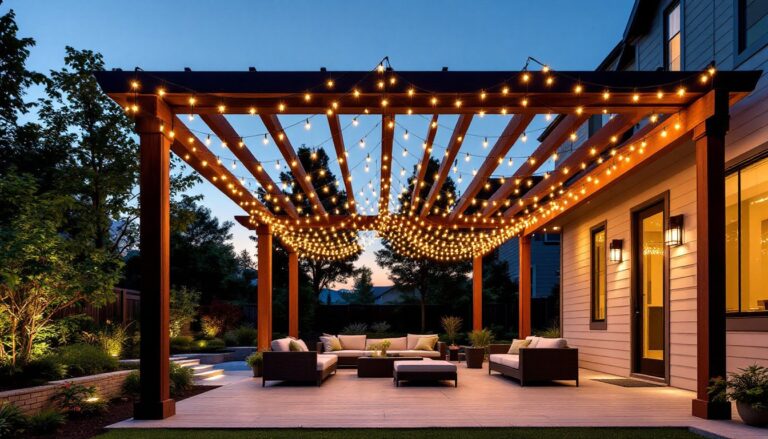
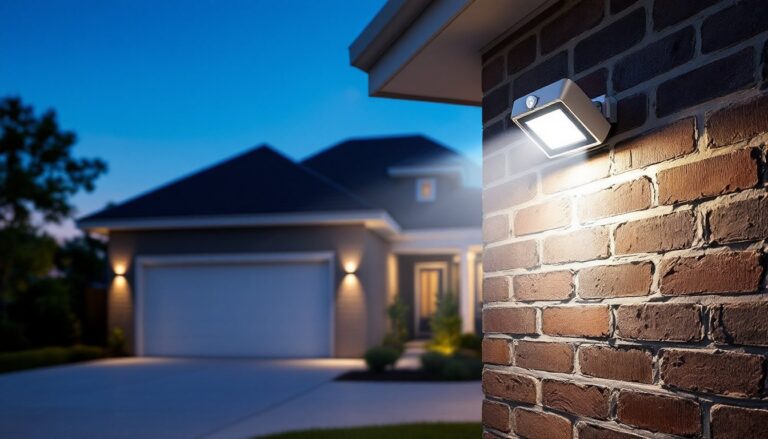
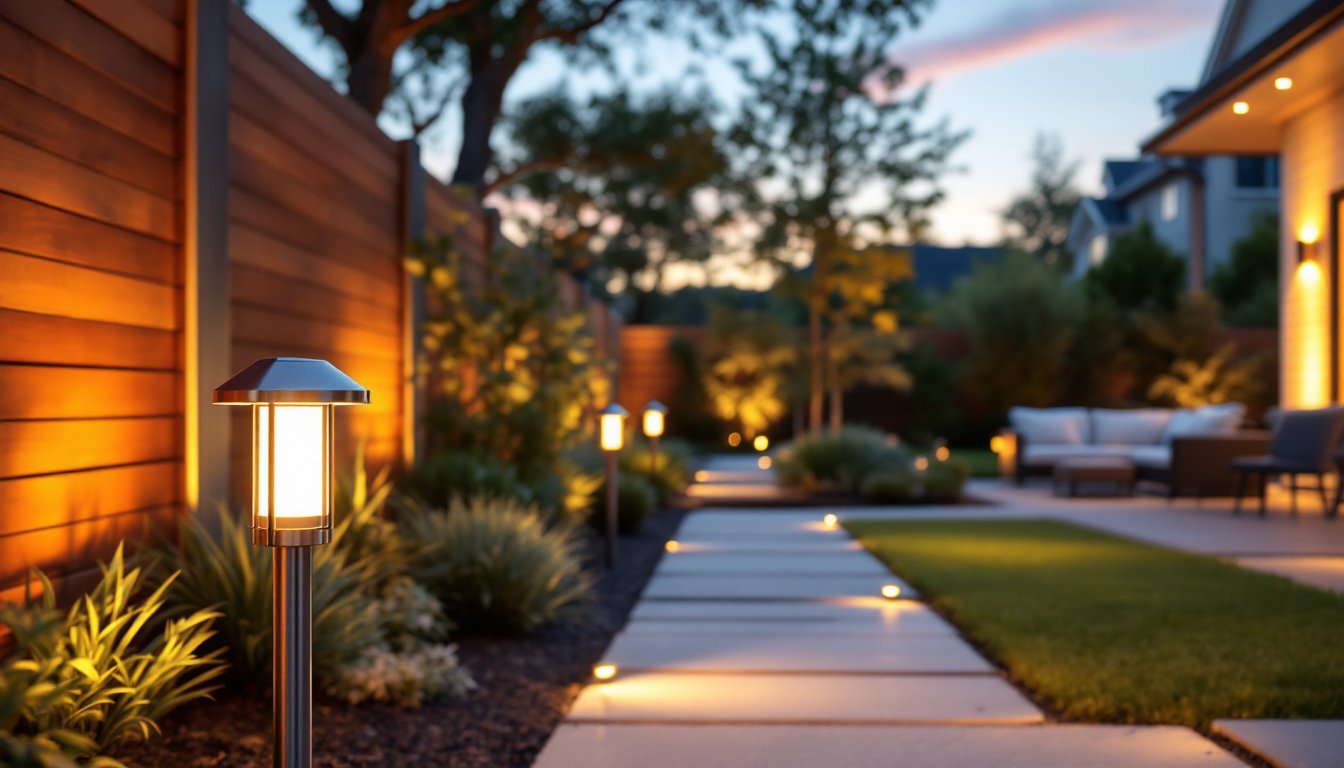
Solar lamps come in dozens of styles to match your home’s exterior design and landscape. Pathway stake lights are the most common, slim, understated fixtures that slide into soil and blend into garden beds. Spotlights with adjustable heads work well for accent lighting on architectural features or specimen plants. Wall-mounted solar lights install on the side of your shed, fence, or house for patio and deck illumination. String and fairy lights create ambient atmosphere over seating areas. Lantern-style fixtures offer a classic look that suits traditional and cottage-style homes. Post-cap lights sit on top of deck posts or fence posts, providing practical light while defining your outdoor living space. Solar lamp posts and standalone pedestals work as focal points in larger yards. All these types are available in various color temperatures, warm white (2700–3000K) creates a cozy ambiance, while cool white (5000–6500K) mimics daylight and works better for security applications. Browse options on sites like The Spruce and Hunker for design inspiration that matches your aesthetic. Before buying, confirm that replacement batteries and LED cartridges are available for your chosen model, you don’t want to be stuck with a dead fixture because the manufacturer discontinued parts.