Motion sensor lighting has become a must-have for homeowners serious about security and efficiency. Unlike traditional outdoor lights that run all night, a motion activated outdoor light only activates when movement is detected, cutting electricity waste while keeping your property safer. Whether you’re installing motion sensor lights on your porch, garage, or garden pathways, this guide covers everything you need to know, from how these systems work to choosing and placing them for maximum effectiveness. We’ll walk you through the practical decisions that matter, so you can light your home smarter without the guesswork.
Table of Contents
ToggleKey Takeaways
- An outdoor light motion sensor uses infrared technology to detect movement and activate automatically, cutting electricity waste by running only when needed instead of all night.
- Motion sensor lights deter burglars by eliminating darkness around entry points and may qualify you for homeowner insurance discounts when installed on front and rear entries.
- A single motion-activated outdoor light can save $25-30 annually compared to traditional dusk-to-dawn lighting, with LED fixtures reducing energy costs by up to 75% over their 25,000+ hour lifespan.
- Proper placement at 6-8 feet high on walls facing likely approach points, combined with photocell sensitivity adjustment, prevents false triggers and maximizes security effectiveness.
- Choose between hardwired (reliable power), battery-operated (portable but require regular replacement), or solar-powered (off-grid but weather dependent) motion activated outdoor lights based on your installation needs and budget.
What Are Outdoor Motion Sensor Lights and How Do They Work?
An outdoor light motion sensor is a fixture that combines an LED or halogen bulb with an infrared motion detector. When movement passes within the sensor’s range, typically 30 to 100 feet depending on the model, the light turns on automatically. Once motion stops, a built-in timer (usually adjustable from 30 seconds to 10 minutes) waits before the light shuts off.
Most systems work using passive infrared (PIR) technology, which detects heat signatures from moving objects. This is different from active motion sensors used indoors: outdoor models are calibrated to ignore small animals, rain, and light wind, though sensitivity can usually be adjusted. Some newer units combine PIR with light sensors, so they’ll only activate in darkness, a smart feature that prevents wasted daytime triggering.
Power options vary. Hardwired motion sensor lights connect directly to your home’s electrical system (requiring a dedicated 120V circuit), battery-operated models offer portability, and solar-powered versions need no wiring at all. Each has trade-offs: hardwired gives reliable power and brightness, battery models are flexible but need regular replacement, and solar works off-grid but depends on daylight charging.
Benefits of Installing Motion Sensor Lighting Around Your Home
Enhanced Security and Deterrence
Motion sensor lights act as a visible deterrent, most burglars avoid properties with active outdoor lighting because it eliminates their cover of darkness. A sudden light on your driveway or porch forces an intruder to assume someone’s home or watching, even if nobody is. Insurance companies recognize this risk reduction: some offer discounts on homeowner policies when motion-activated outdoor light systems are installed on front and rear entries.
Beyond burglary deterrence, motion sensors improve nighttime safety for your family. Guests won’t stumble on dark steps, kids biking home at dusk get automatic pathway lighting, and you’ll never fumble for a porch key in the dark again. The psychological comfort of your property staying visible extends far beyond security, it changes how you use your yard after sunset.
Energy Efficiency and Cost Savings
A motion activated outdoor light uses electricity only when needed, not all night. If a typical dusk-to-dawn porch light runs 12 hours daily at 60 watts, that’s about 260 kWh per year. A motion sensor light running 2–3 hours total per day (in short bursts) uses roughly 40–50 kWh annually. At average residential rates ($0.13 per kWh), you’re saving $25–30 per fixture per year, modest per light, but substantial across multiple fixtures.
LED motion sensor lights amplify these savings. An LED using 15 watts performs the same as a 60-watt incandescent, cutting energy use by 75%. Pair LED efficiency with motion sensing and a single fixture might cost under $10 per year to operate. Over a fixture’s 25,000+ hour LED lifespan, you’re looking at decades of reliable, low-cost illumination. Outdoor flood lighting systems often use the same efficiency principles when integrated with motion control.
Choosing the Right Motion Sensor Light for Your Space
Start by identifying where you need coverage. Entry points (front door, garage, side gate) need priority. Driveways and walkways are secondary. Backyards depend on your usage, if you rarely venture out at night, basic motion lighting may be enough: if you entertain or have kids playing, you’ll want brighter, wider-coverage options.
For brightness, measure in lumens, not watts. A 800–1000 lumen fixture handles most porches and driveways adequately. Larger open areas (parking zones, big backyards) may need 1200+ lumens. Check the sensor’s range and adjustability: fixed 30-foot sensors won’t protect a large driveway, but a unit with 100-foot adjustable range gives flexibility.
Daylight sensitivity matters. Units with built-in photocells (light sensors) won’t trigger during daylight, saving false activations. Some advanced outdoor home lighting integrates smart controls, letting you set schedules or override sensors from your phone. Consider weatherproofing too, look for IP65 or IP67 ratings, meaning the fixture resists moisture and dust.
Power source depends on installation ease and reliability. Hardwired systems require running electrical cable (typically through conduit buried 18 inches deep per code) but deliver constant power. Wall outdoor lights hardwired into existing electrical boxes are popular for this reason. Battery units mount anywhere but need seasonal battery swaps, fine for occasional spots. Solar motion sensor lights need 6+ hours of direct sun daily: they’re great for side yards but unreliable under tree cover.
Prices range from $30 for basic battery units to $200+ for hardwired LED fixtures with smart features. Don’t cheap out on sensor quality: poor motion detection leads to frustration. A reliable motion activated outdoor light from a recognized manufacturer costs more upfront but will work consistently for years.
Installation and Placement Tips for Maximum Effectiveness
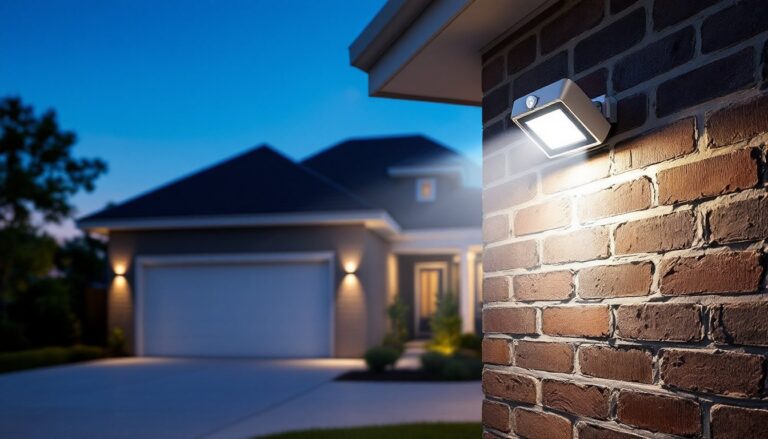
Placement is crucial. Mount motion sensors 6–8 feet high on walls or eaves, this height catches approaching movement while minimizing false triggers from ground-level motion (pets, rustling plants). Sensors should face the direction of likely approach: pointing at your driveway entrance, not sideways at a blank fence.
Avoid placing sensors where they’ll see reflective surfaces (windows, white walls, puddles) that can cause false triggering. Direct afternoon sunlight can also fool cheaper PIR sensors, so position units on north-facing walls when possible. If mounting on siding, use stainless steel fasteners to prevent corrosion: aluminum or coated screws will rust and weaken the fixture over 2–3 years.
For hardwired installations, run 12-gauge Romex cable in PVC conduit buried 18 inches deep (check your local code, some jurisdictions require 24 inches). You’ll need a dedicated 120V circuit: don’t piggyback motion lights onto existing kitchen or bathroom circuits. If running cable isn’t feasible, consider surface-mounted conduit along soffits or gable walls. This isn’t pretty, but it’s cheaper than digging trenches and meets code.
Once installed, test the motion sensor’s range and sensitivity. Most units have an adjustable sensitivity dial marked “High” or “Low.” Start on high and dial back if you’re getting nuisance triggers from passing cars or distant movement. Fine-tune the timer so the light runs long enough (usually 2–3 minutes) to be useful but not so long it defeats the efficiency purpose.
If you’re uncomfortable running electrical wire or your site requires a permit (most jurisdictions do for outdoor hardwired circuits), hire a licensed electrician. Motion sensor wiring isn’t complex, but improper grounding or oversized wire defeats safety and voids warranties. Battery and solar motion activated outdoor light options avoid these concerns entirely if you prioritize simplicity over long-term cost savings.
Recent reviews on motion sensor lights highlight durability differences between budget and premium models. Seals fail, sensors drift out of calibration, and wiring corrodes on cheaper units within 3–5 years. Investing in weatherproof, sealed fixtures extends lifespan and reduces troubleshooting headaches. Keep a maintenance schedule: test sensors quarterly and clean lens covers twice yearly to remove dust and pollen buildup.
Conclusion
Outdoor light motion sensors deliver straightforward, measurable benefits, real security improvement and tangible energy savings. The key is matching the right fixture to your space, installing it properly, and maintaining it seasonally. Whether you choose hardwired reliability, battery convenience, or solar simplicity, motion-activated lighting pays for itself within a year or two while making your home safer and smarter. Start with your entry points, test the placement, and expand from there.