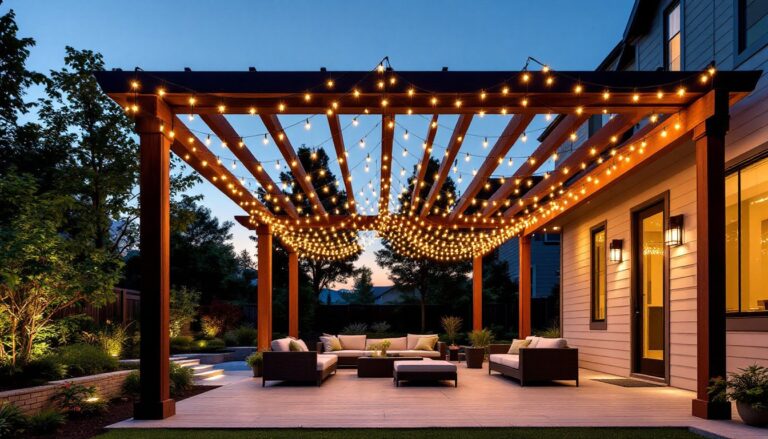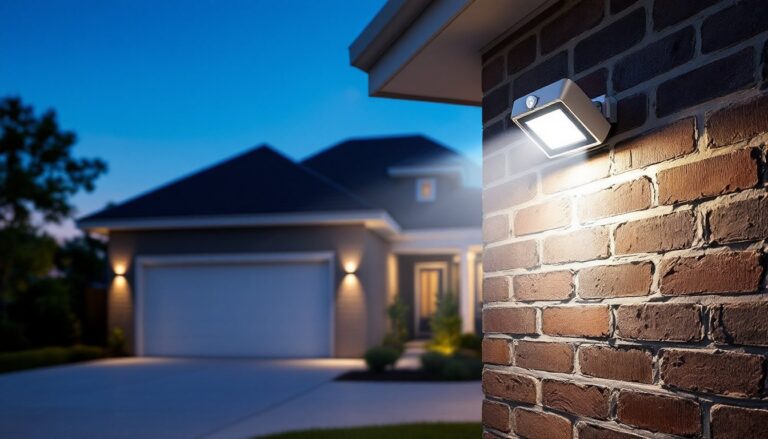
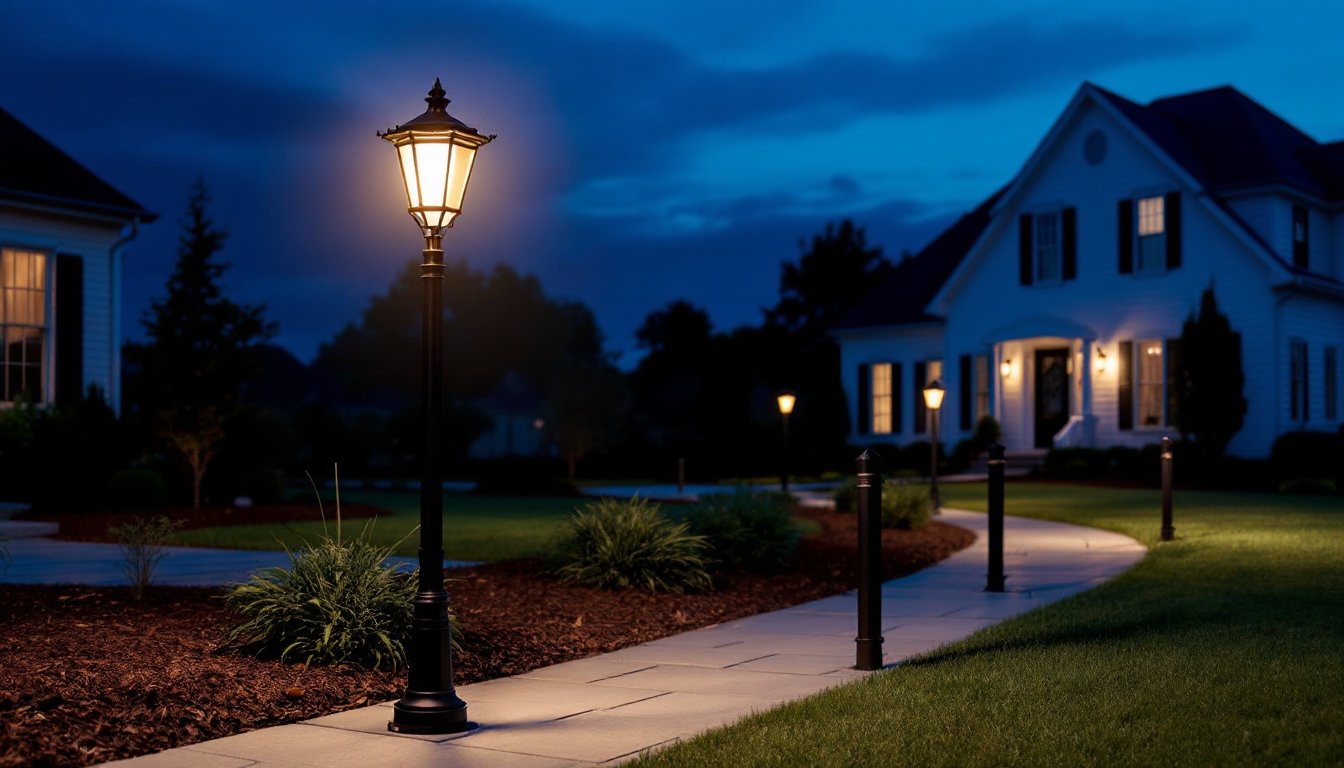
A well-placed outdoor lighting post does more than push back the dark. It anchors a driveway, signals a front walk, and gives a yard a finished, lived-in feel after sunset. Whether someone’s replacing a rusted-out lamp post from the ’90s or planning a new install from scratch, the choices in 2026 are wider (and smarter) than ever, from solar-topped cast aluminum to dimmable LED bollards wired into a low voltage system. This guide walks through the types, features, install steps, and styling moves that actually matter.
Table of Contents
ToggleKey Takeaways
- An outdoor lighting post serves triple duty for residential homes: improving safety by guiding driveways and walkways, aiding wayfinding for guests, and enhancing curb appeal and visual presence after dark.
- Modern outdoor lighting post options range from traditional 7–8 ft lamp posts (120V or solar) to shorter bollards and path posts, with solar-powered models requiring no wiring and running 8+ hours on a full charge.
- Before purchasing, prioritize cast aluminum construction for rust resistance, IP65+ weather ratings, integrated LED systems lasting 25,000+ hours, and 600–1,200 lumens for optimal residential lighting without over-brightness.
- DIY installation of solar or low voltage posts takes an afternoon and requires calling 811 before digging, setting a plumbed post in concrete at least 18–24 inches deep, and burying cable 6 inches below ground.
- Design impact multiplies when you pair posts symmetrically at entrances, mix heights with bollards, layer with sconces, and space them 8–12 feet apart—transforming a single post from functional to intentional landscape architecture.
- Twice-yearly maintenance (spring washing and fall debris clearing, plus anchor bolt re-tightening every 2–3 years) prevents rust, corrosion, and the shifting footings that compromise safety and aesthetics.
What Is an Outdoor Lighting Post and Why It Matters
An <a href="https://ourkitchentales.com/outdoor-flood-lighting-your-complete-guide-to-brightening-your-homes-exterior-in-2026/”>outdoor lighting post is a freestanding vertical fixture, usually 6 to 8 feet tall, that holds one or more light heads above ground level. Think of it as the workhorse of outdoor home lighting: tall enough to throw a wide pool of light, short enough to feel residential rather than commercial.
Why it matters comes down to three things, safety, wayfinding, and curb appeal. A post at the end of a driveway helps drivers find the turn-in. One halfway down a path keeps guests from stepping into the mulch. And visually, a lit post tells the street the house is cared for, even at 11 p.m.
Good landscape lighting ideas almost always start with a post or two as the foundation, then layer in path lights and accents.
Popular Types of Outdoor Lighting Posts to Consider
Posts break down by height, power source, and style. The most common categories homeowners shop in 2026:
- Traditional lamp posts (7–8 ft) with a single lantern head, often cast aluminum or steel
- Bollards (2–4 ft) with a capped top, modern and minimalist
- Path posts (12–24 in) used in series along walkways
- Solar posts, no wiring required, topped with a PV panel
- Low voltage posts running on a 12V transformer
- Line voltage (120V) posts hardwired to the home’s electrical
For homeowners who want flexibility without trenching deep, solar-powered outdoor lighting has come a long way, modern panels charge in winter sun and run 8+ hours on a full day’s charge.
Lamp Posts, Bollards, and Path Posts Compared
| Type | Typical Height | Best Use | Power |
|---|---|---|---|
| Lamp post | 7–8 ft | Driveway, front yard focal point | 120V or solar |
| Bollard | 2–4 ft | Modern walks, patio edges | Low voltage |
| Path post | 12–24 in | Garden beds, walkway runs | Low voltage or solar |
Lamp posts make a statement: bollards disappear into the design: path posts are the supporting cast.
Key Features to Look For Before You Buy
Not every post on the shelf is built to last a Midwest winter or a coastal salt spray. Before clicking buy, homeowners should weigh:
- Material: Cast aluminum resists rust: steel is sturdier but needs powder coating: cedar looks great but rots without sealing
- IP rating: Look for IP65 or higher for full weather resistance
- Bulb type: Integrated LED arrays last 25,000+ hours but can’t be swapped: replaceable LED bulbs (E26 base) are more forgiving
- Voltage: 120V for brightness and reliability, 12V for safer DIY installs
- Dusk-to-dawn sensor or smart-home compatibility
- Mounting style: Direct burial, anchor-bolt base, or surface mount
A field guide to outdoor lighting is worth a skim before settling on lumens, somewhere between 600 and 1,200 lumens per head is the sweet spot for most residential posts. Anything brighter starts to feel like a parking lot.
How to Install an Outdoor Lighting Post Step by Step
Installation difficulty depends on the power source. A solar post takes 20 minutes. A hardwired 120V post involves trenching, conduit, and (in most jurisdictions) a permit and inspection per the NEC. If it’s a new circuit, hiring a licensed electrician isn’t optional in many areas, codes vary, so check locally.
For a low voltage or solar post, most DIYers can handle it in an afternoon:
- Call 811 before digging. Wait the required days for utility marking. This is non-negotiable.
- Mark the post location with a stake, at least 3 ft from driveways and 10 ft from the house for visual balance.
- Dig the footing: 18–24 in deep, 10–12 in wide for direct-burial posts. Deeper if the frost line demands it.
- Set the post: Drop in 4 in of gravel for drainage, plumb the post with a level, then pour quick-set concrete. Brace for 24 hours.
- Run the cable: For low voltage, bury 12-gauge landscape wire 6 in deep from the transformer to the post.
- Wire the fixture per manufacturer instructions, usually two waterproof connectors.
- Test before backfilling.
A complete DIY outdoor lighting guide covers transformer sizing and voltage drop math in more detail. Wear safety glasses and gloves when mixing concrete, and never work on live 120V wiring without killing the breaker first.
Design Ideas to Style Your Yard With Lighting Posts
A single lamp post next to a mailbox is fine. Two flanking a driveway entrance? That’s design. Homeowners ready to push past the basics can try:
- Pair posts symmetrically at driveway entrances or garden gates
- Mix heights: one tall post with shorter bollards stepping down toward the door
- Layer with sconces: combine post lighting with outdoor sconce lighting on the porch for depth
- Add a planter base to anchor the post visually and hide the concrete footing
- Hang a bracket for a seasonal flag or hanging basket
Regional styles matter, too. A Charleston-inspired gas-flame post reads very different from a matte-black modern bollard, and outlets like Southern Living are full of regional porch and post pairings worth borrowing. The goal is rhythm, posts should feel intentional, spaced 8–12 ft apart along longer paths, not randomly dropped.
Maintenance Tips to Keep Your Post Looking and Working Great
Outdoor posts take a beating, UV, rain, lawn mower bumps, and the occasional weed trimmer scar. A little maintenance twice a year keeps them sharp:
- Spring: Wash the post with mild soap and water. Check the base for rust or rot. Touch up paint or sealant.
- Fall: Clear leaves from the lantern head, replace any failed bulbs, and re-aim if the post has shifted.
- Every 2–3 years: Re-tighten the base anchor bolts and inspect the wire connectors for corrosion (dielectric grease helps).
- For solar posts: Wipe the PV panel quarterly, dust alone can cut output 20%.
If the light flickers or won’t turn on, the culprit is usually a corroded connector or a failed photocell, not the bulb. General home upkeep resources like The Spruce have solid step-by-steps for replacing common photocells. And if a post leans more than a couple degrees after a few seasons, the footing has shifted, dig it out and reset before it falls.