A dining area chandelier isn’t just about illumination, it’s the anchor that pulls a dining space together and signals to guests that you care about how you gather. Whether you’re redecorating an existing room or outfitting a new home, selecting the right dining room light fixture can feel overwhelming with endless styles, sizes, and price points to consider. The good news? Choosing a dining area chandelier doesn’t require professional design credentials or a bottomless budget. With a clear understanding of your space, style preferences, and installation requirements, you can find a fixture that enhances your dining experience and complements your home’s aesthetic for years to come.
Table of Contents
ToggleKey Takeaways
- A dining area chandelier serves as both a functional light source and a design anchor that sets the tone for the entire room and influences how guests experience your gathering space.
- The ideal chandelier diameter should be roughly half the width of your dining table in feet—a simple formula that prevents undersized or oversized fixtures that disrupt room balance.
- Hang your dining area chandelier 60 to 66 inches above the table surface and 30 to 36 inches below an 8-foot ceiling to balance intimacy with clear sightlines and safety.
- Mid-range fixtures between $200 to $600 deliver excellent quality and design variety, and budget-conscious shoppers can refresh styles by upgrading shades or mixing high-and-low decor elements.
- Proper installation requires a ceiling box rated for your fixture’s weight, correct electrical work (hire a professional if unsure), and switching to dimmable LED bulbs for long-term ambiance control and energy efficiency.
Why A Dining Area Chandelier Matters For Your Space
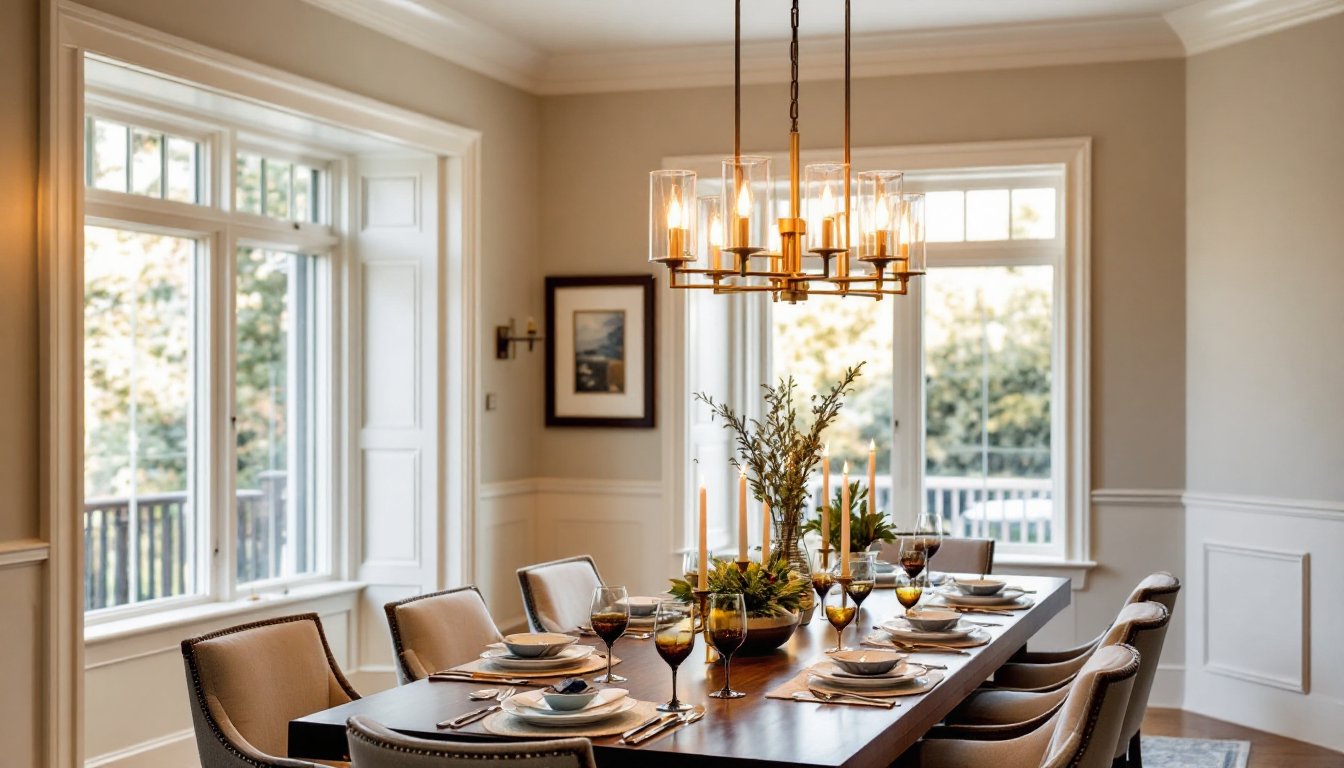
A dining area chandelier does far more than cast light on your dinner table. It sets the tone for the entire room and influences how people feel when they gather there. Proper lighting improves the visual appeal of your food and the faces of your diners, crucial details that transform an ordinary meal into something memorable.
Beyond aesthetics, a well-chosen dining light fixture provides functional illumination that layers with other sources. Most dining rooms benefit from dimmers, which let you dial brightness up for family dinners and down for intimate gatherings. A chandelier hung at the right height and with appropriate wattage prevents harsh shadows and glare, making the space feel intentional rather than an afterthought.
Dining room light fixtures also anchor the room’s design hierarchy. If your dining area chandelier is statement-making, other elements, wall color, table, chairs, respond to it rather than compete with it. Conversely, a subtle fixture lets other pieces shine. Understanding this visual power helps you make choices that feel cohesive rather than random.
Choosing The Right Chandelier Style For Your Home
Selecting a dining light fixture style begins with honest assessment of your existing decor. Pull inspiration from elements you already own, your dining chairs, wall color, cabinetry finish, and identify whether they lean modern, traditional, transitional, or eclectic. Your dining area chandelier should feel like it belongs, not like it wandered in from a different house.
Size and scale matter more than most people realize. A tiny chandelier in a large dining room looks timid: an oversized one in a small space feels aggressive. As a rule of thumb, the chandelier’s diameter in inches should be roughly half the width of your dining table in feet. For a 48-inch (4-foot) table, aim for a 24-inch fixture diameter. Measure before shopping to avoid costly returns.
Modern And Contemporary
Contemporary dining room lighting emphasizes clean lines, minimal ornamentation, and often geometric shapes. Look for fixtures with brushed metal finishes, simple geometric arms, and warm or neutral tones. These fixtures pair well with mid-century modern furniture, minimalist design, and neutral color schemes.
When browsing contemporary dining room lighting options, focus on fixtures with asymmetrical designs, sculptural quality, or unexpected materials like concrete, brass, or matte black. Modern chandeliers often use fewer, more dramatic arms rather than the traditional multi-tiered look. LED bulbs fit naturally here, as contemporary design embraces energy efficiency.
Traditional And Classic
Traditional dining room light fittings typically feature multiple arms, crystal or glass shades, and ornamental details. These fixtures evoke elegance and timelessness, working especially well in homes with period architecture or formal dining spaces. Brass, bronze, and polished finishes are common.
Classic chandeliers often come with matching wall sconces, creating a coordinated look. If your home has crown molding, wainscoting, or formal furnishings, a traditional dining light fitting bridges the gap between old-world charm and modern function. Ensure the fixture has quality glass and sturdy metalwork, these pieces are investments, and durability matters. Many designers and stylists recommend exploring dining room light fixtures across multiple styles to find pieces that harmonize with your overall aesthetic.
Installation And Height Considerations
Hanging your dining area chandelier at the correct height is non-negotiable for both safety and sightlines. The standard recommendation is 30 to 36 inches below the ceiling in rooms with 8-foot ceilings. In rooms with higher ceilings, raise the fixture accordingly: for every additional foot of ceiling height, add 3 to 4 inches of clearance. The bottom of the chandelier should hang 60 to 66 inches above the dining table surface, low enough to feel intimate and define the gathering space, but high enough to clear sight lines across the table.
Before installation, confirm that your ceiling box can handle the fixture’s weight. Most standard boxes support up to 50 pounds: heavier chandeliers require a reinforced box rated for 75 pounds or more. If your existing box is undersized, upgrading it takes about an hour and involves cutting a small hole in the drywall, installing a new bracket, and patching afterward, well within DIY reach if you’re comfortable working at height.
Turn off power at the breaker before beginning any work. If you’re uncomfortable with electrical wiring, hire a licensed electrician, this isn’t vanity, it’s safety. Hang a temporary hook or use painter’s tape to dry-fit the height before fully securing the fixture. Get a second pair of hands: holding a chandelier steady while making final connections is awkward alone. Once mounted, test all bulbs and confirm the fixture is secure before inviting guests over.
Budget-Friendly Options And Shopping Tips
A stunning dining area chandelier doesn’t require a five-figure investment. Mid-range fixtures, $200 to $600, often deliver excellent quality and design variety. Retailers like Wayfair, West Elm, and IKEA offer trend-aware pieces that hold up over time.
Shop by clear criteria: style preference, size requirement, and ceiling height. Avoid buying a fixture purely on impulse because it looks great in a photo: the color and proportions may differ in person. Read reviews from buyers with similar ceiling heights and room sizes, their comments about brightness, build quality, and installation ease are gold.
For the budget-conscious, consider these tactics. First, choose a simple frame in a neutral finish and upgrade the shades separately: this approach lets you refresh the look for under $100 later. Second, mix high and low, splurge on a statement dining light fixture if it’s the room’s focal point, but keep other decor elements simple. Third, hunt secondhand sources like Craigslist, Facebook Marketplace, or local antique shops: vintage and mid-century chandeliers often cost less than new and carry character.
An exceptional collection of curated dining room lighting ideas can spark inspiration and help you understand the range of options available at different price points. Interior design resources often compare fixtures side-by-side, making it easier to spot which styles suit your space. When you find a candidate, verify return policies, most reputable retailers accept returns for 30 days, giving you time to see how the piece looks in your actual lighting conditions.
Bulb selection matters too. LED bulbs last 25,000+ hours and cost pennies per year to run: they’re the obvious choice for any fixture you’ll use regularly. If the chandelier shipped with incandescent or CFL bulbs, swap them immediately. Dimmable LEDs let you adjust ambiance without replacing hardware.
Conclusion
Your dining area chandelier is a functional and emotional centerpiece, it illuminates your gatherings and reflects your taste. By assessing your space’s size and style, hanging the fixture at proper height, and shopping strategically, you’ll find a piece that feels both right-sized and right for your home. Start with the measurements and style direction outlined here, trust your instincts, and remember that the best dining light fixture is one you’ll enjoy seeing every time you sit down to eat.