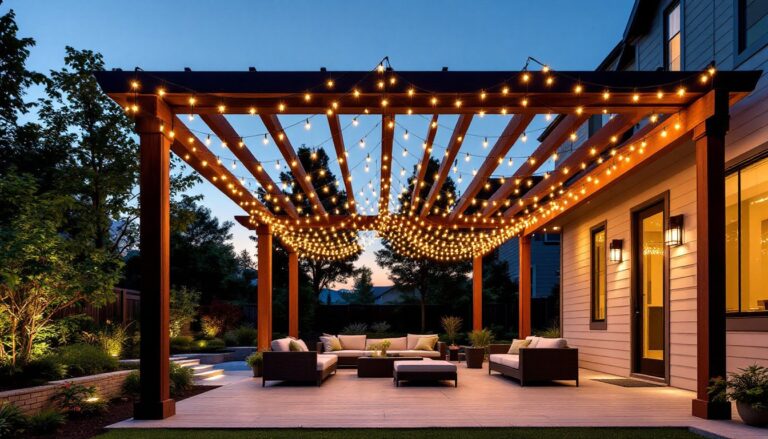
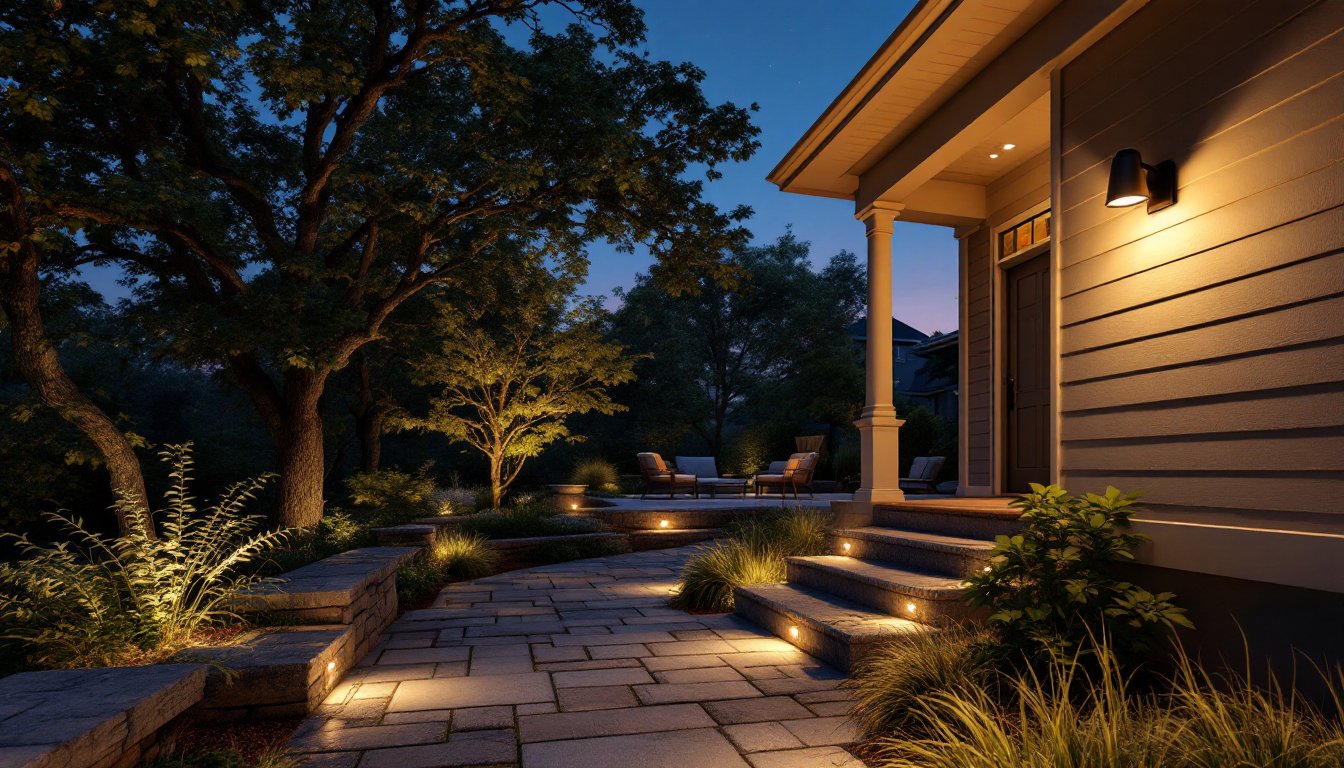
Choosing outdoor lighting isn’t just about screwing in a bulb and calling it a day. The right fixtures transform a dark backyard into a usable evening space, highlight landscaping you spent all spring planting, and keep pathways safe after sunset. But with dozens of brands promising weather-resistant housings and “architectural-grade” finishes, how do you separate marketing hype from actual performance? The brands below have earned their reputations through consistent quality, solid warranties, and fixtures that hold up to rain, snow, UV exposure, and the occasional soccer ball. Whether you’re running low-voltage landscape lighting, installing smart fixtures, or adding security-focused floodlights, these manufacturers deliver.
Table of Contents
ToggleKey Takeaways
- The best outdoor lighting brands prioritize weather resistance with IP65 or IP67 ratings, die-cast aluminum or marine-grade brass construction, and extended warranties of 5+ years, ensuring fixtures withstand UV exposure, temperature swings, and moisture intrusion.
- Philips Hue dominates smart outdoor lighting with color-tuning capabilities and ecosystem integration, while Ring excels in motion-activated security features, giving homeowners distinct choices based on whether ambiance or surveillance is the priority.
- VOLT Lighting and FX Luminaire deliver professional-grade durability for landscape systems, with lifetime warranties on fixture bodies and precise optical control, justifying their premium pricing ($100–$400 per fixture) for demanding installations.
- Kichler bridges affordability and performance by offering 100+ years of design expertise across multiple styles and finishes, with 12V AC low-voltage systems and wide availability, making it ideal for mid-range projects ($40–$120 per fixture).
- Quality outdoor lighting requires careful attention to wire gauge, voltage drop calculations, and transformer compatibility—skipping on these details undermines even premium fixtures and can result in failed systems within two seasons.
What Makes a Great Outdoor Lighting Brand?
Weather resistance tops the list. Outdoor fixtures face UV degradation, temperature swings, moisture intrusion, and physical impacts. Look for IP65 or IP67 ratings (Ingress Protection) that confirm dust-tight and water-resistant construction. Cheaper brands often skimp on gaskets and coatings, leading to corroded sockets and failed drivers within two seasons.
Build quality matters more outdoors than indoors. Die-cast aluminum or marine-grade brass housings outlast plastic or thin stamped steel. Powder-coated finishes resist chipping better than spray paint. Check if lenses are tempered glass or polycarbonate, both work, but polycarbonate won’t shatter if a branch falls on it.
Warranty length signals manufacturer confidence. A five-year or lifetime warranty on the fixture body and a two- to three-year warranty on LEDs or drivers indicates the brand expects its products to last. Brands offering only 90-day coverage are often rebadging overseas imports with minimal quality control.
Compatibility and expandability become crucial for smart or low-voltage systems. If you install three path lights this year, can you add six more next year without replacing the transformer? Do smart fixtures integrate with your existing ecosystem (HomeKit, Alexa, Google Home) or lock you into proprietary hubs? Plan for growth and avoid orphaned systems.
Philips Hue: Smart Outdoor Lighting Excellence
Philips Hue dominates the smart lighting category with robust ecosystem integration and color-tuning capabilities that extend outdoors. Their outdoor lineup includes path lights, spotlights, wall lanterns, and lightstrips, all controllable via the Hue Bridge hub.
Key strengths: Color and white ambiance options let you shift from warm 2200K for evening ambiance to cool 6500K for task lighting. Scheduling and automation work reliably, set lights to turn on at dusk using geofencing or integrate with motion sensors. The fixtures carry an IP67 rating, making them fully waterproof for ground installation or exposed wall mounting. Many homeowners integrating smart home lighting find the Hue app intuitive for zone control and scene creation.
Limitations: Hue runs on 120V AC for most fixtures (spotlights and wall lights) or low-voltage for path lights, but you’ll need the Hue Bridge hub and a stable Wi-Fi network. Fixtures aren’t cheap, expect to pay $80–$150 per spotlight or wall sconce. The proprietary ecosystem means you can’t mix and match with other brands’ smart controls.
Best use case: Homeowners already invested in Philips Hue indoors who want unified control and color-changing capability for decks, patios, or garden beds. Not ideal for budget-conscious projects or off-grid installations.
VOLT Lighting: Premium Quality for Landscape Professionals
VOLT Lighting manufactures professional-grade low-voltage fixtures in the U.S., favored by landscape contractors and serious DIYers who want commercial durability without the markup. Their product line focuses on path lights, well lights, spotlights, and hardscape lighting (step lights, deck lights).
Construction quality sets VOLT apart. Fixtures use solid brass or copper bodies with integrated heat sinks for LED longevity. Lenses are tempered glass, and all electrical connections are sealed with silicone-filled wire nuts rated for direct burial. The brand offers a lifetime warranty on fixture bodies and a 10-year warranty on LEDs, unheard of in residential outdoor lighting.
Performance specs impress: most fixtures use 3-watt or 4-watt LEDs with focused optics (10°, 25°, or 60° beam spreads) that deliver precise light placement rather than spill. Color temperatures range from 2700K to 3000K, ideal for warm landscape accents. VOLT’s proprietary transformers include photocell and timer controls, and models up to 900 watts support extensive systems.
Installation considerations: VOLT uses 12V AC low-voltage wiring, which is safer than line voltage and doesn’t require conduit in most jurisdictions (check local codes). But, you’ll need to calculate voltage drop carefully, use 12- or 10-gauge cable for runs over 50 feet to maintain brightness. The fixtures ship with detailed photometrics, so you can plan lux levels and spacing accurately.
Drawbacks: Premium pricing reflects U.S. manufacturing, budget $100–$250 per fixture. No smart integration: you control via transformer timers or add third-party relays.
Best use case: Landscape lighting systems where longevity and precise optical control matter more than upfront cost. Ideal for uplighting trees, grazing stone walls, or defining garden paths on larger properties.
Kichler: Versatile Design for Every Outdoor Space
Kichler bridges the gap between big-box affordability and specialty-grade performance. With over 100 years in the lighting industry, they offer an extensive outdoor catalog spanning landscape lighting, porch fixtures, post lights, and chandeliers for covered patios.
Design variety is Kichler’s calling card. Whether you need contemporary black aluminum path lights, traditional coach lanterns with seeded glass, or modern LED wall sconces, Kichler stocks it. Finishes include textured black, architectural bronze, and weathered zinc, with many fixtures available in multiple sizes.
Low-voltage landscape systems from Kichler use 12V AC with modular transformers (150W to 600W capacity) that include digital timers and dusk-to-dawn sensors. Fixtures feature aluminum or composite construction with IP65 ratings. While not brass-bodied like VOLT, Kichler’s fixtures hold up well in most climates and carry a 15-year warranty on finish and a 3-year warranty on electronics.
Line-voltage options (120V) include post lights, wall lanterns, and outdoor track lighting compatible with standard junction boxes. Many use integrated LEDs rated for 50,000 hours, eliminating bulb replacement hassles. Some collections now feature dimmable drivers and compatibility with standard wall dimmers.
Practical considerations: Kichler products are widely stocked at lighting showrooms and available online, making replacement parts accessible. Installation is straightforward for DIYers familiar with basic wiring, most landscape fixtures use plug-and-play connectors rather than wire nuts.
Best use case: Homeowners seeking designer aesthetics at mid-range pricing ($40–$120 per fixture) with the reassurance of a long-established brand. Excellent for mixing decorative porch lights with functional landscape accents.
FX Luminaire: Professional-Grade Durability and Performance
FX Luminaire (owned by Hunter Industries) caters to professional landscape architects and installers but sells direct to homeowners willing to invest in top-tier systems. Their fixtures emphasize optical precision, robust construction, and integration with centralized control systems.
Build quality rivals VOLT: marine-grade brass and copper housings, powder-coated finishes resistant to coastal salt spray, and IP68-rated enclosures that can handle submersion (useful for pond or fountain lighting). Lenses use high-transmission tempered glass with anti-reflective coatings.
Optical engineering stands out. FX Luminaire offers interchangeable lenses and louvers, allowing field adjustment of beam spreads (from narrow 15° spots to wide 60° floods) without replacing the fixture. Many models use Luxor technology, a proprietary digital low-voltage system that enables individual fixture control over a single two-wire run. You can adjust brightness, set zones, and program scenes from a smartphone app or central controller.
Installation complexity increases with Luxor systems. While the two-wire installation simplifies trenching (compared to running home runs for each zone), programming requires familiarity with the Luxor interface. Non-Luxor fixtures use standard 12V AC and work with any compatible transformer. Calculate wire gauge carefully: FX recommends 10-gauge for runs exceeding 75 feet to prevent voltage drop below 10.8V.
Warranty coverage includes a lifetime guarantee on fixture bodies and 5-year coverage on LEDs and electronics. FX maintains a network of certified installers, but savvy DIYers can tackle installations with attention to photometric planning and wire sizing. For those exploring portable lighting for events, FX’s permanent systems offer unmatched reliability for fixed applications.
Drawbacks: Premium pricing ($150–$400 per fixture) and a learning curve for Luxor programming. Not sold at big-box stores: order through specialty dealers or online.
Best use case: Upscale residential landscapes, commercial properties, or large estates where centralized control and fixture longevity justify the investment. Essential for projects requiring precise beam control and future expandability.
Ring: Security-Focused Outdoor Illumination
Ring built its reputation on video doorbells and security cameras, and their outdoor lighting extends that ecosystem with motion-activated floodlights, path lights, and step lights that integrate with Ring’s monitoring platform.
Core advantage: Motion detection and video integration. Ring floodlights include HD cameras, two-way audio, and 110-decibel sirens. When motion triggers the light, your phone gets an alert, and you can view live video or review recorded clips (with a Ring Protect subscription). Path lights and step lights ($25–$50 each) sync via Ring Bridge, creating a connected system where any motion event triggers all lights in a zone.
Power options vary. Floodlights typically require hardwired 120V AC to a junction box (existing floodlight locations work well). Path lights use solar panels with rechargeable batteries or plug-in transformers for low-voltage runs. Sunset Magazine reviews highlight Ring’s solar path lights for easy installation without trenching.
Performance realities: Ring’s security focus means lights prioritize brightness over ambiance, LED floodlights output 1500+ lumens at 5000K color temperature, creating stark white illumination suited for driveways and entry points, not intimate patio dining. Battery-powered path lights may struggle in shaded areas with limited sun exposure, requiring more frequent charging in winter months.
Smart features include scheduling (lights on from dusk to 11 p.m., then motion-only mode until dawn), geofencing (disarm when your phone’s home), and integration with Alexa voice control. Lights work with Ring’s existing camera network, expanding your monitored coverage.
Best use case: Homeowners prioritizing security over aesthetics, particularly those already using Ring doorbells or cameras. Ideal for illuminating side yards, detached garages, or entry walkways where motion-activated bright lighting deters unwanted visitors. Less suitable for decorative landscape lighting or outdoor living spaces where warm ambiance matters. Those considering different lighting solutions should weigh whether security monitoring justifies the ecosystem lock-in.
Conclusion
Your outdoor lighting brand choice depends on project goals, budget, and how much control you want over the system. VOLT and FX Luminaire deliver professional-grade hardware for demanding installs, while Kichler offers broad design selection at accessible pricing. Philips Hue and Ring excel in smart integration but serve different purposes, one for ambiance and color, the other for security. Match the brand to the application, confirm IP ratings and warranties, and don’t cheap out on transformers or wiring. Outdoor lighting done right lasts a decade or more, making upfront investment in quality brands worthwhile.