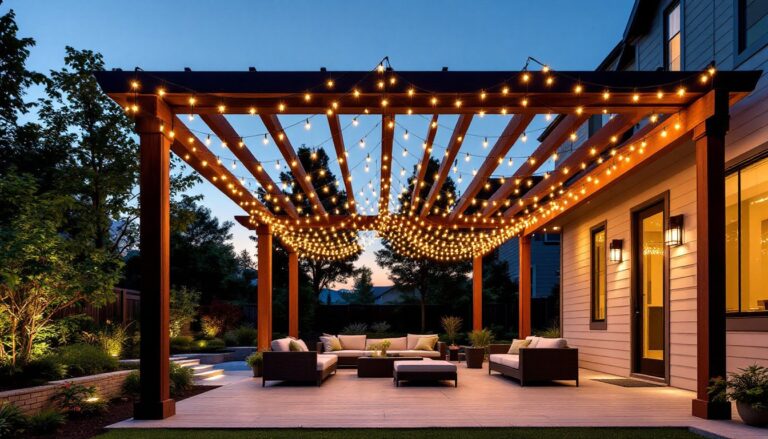
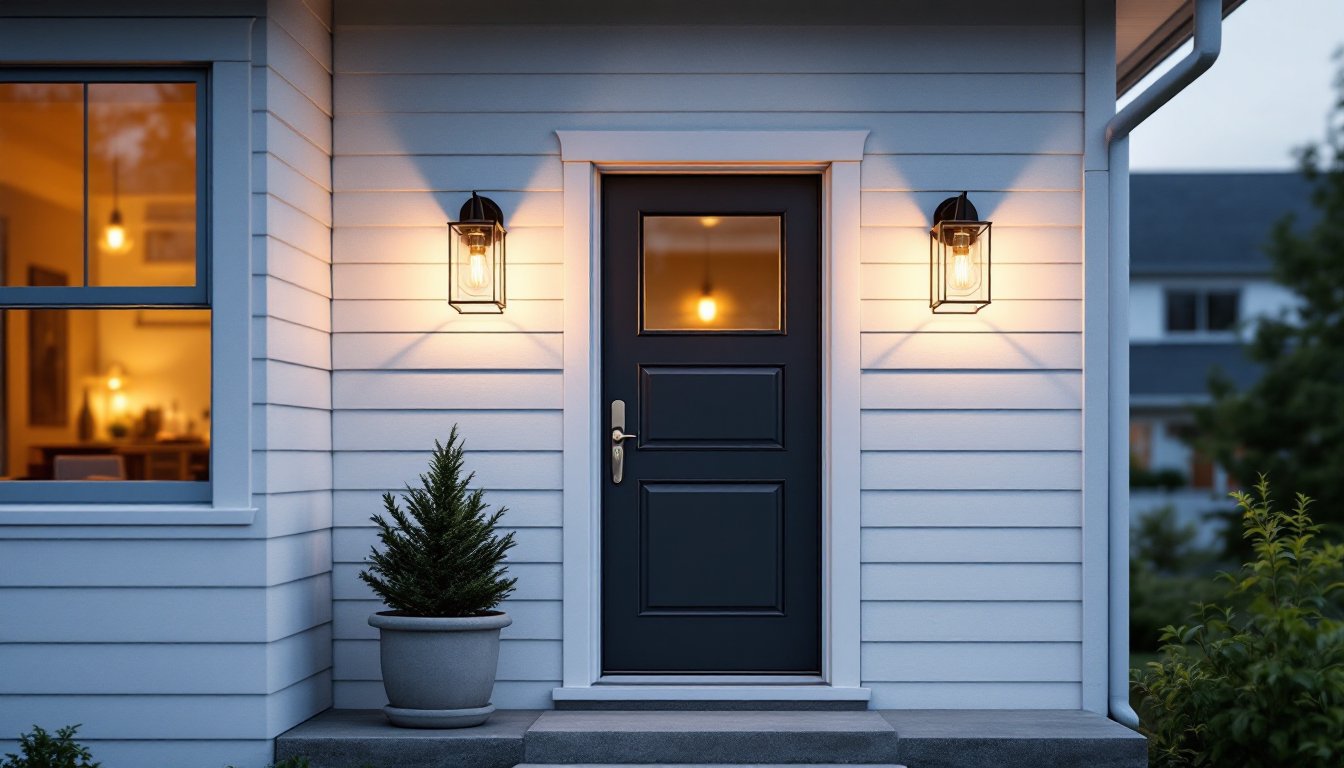
Outdoor sconce lighting does double duty that few other fixtures can match, it lights your way home after dark and frames your home’s architecture with style. These wall-mounted fixtures aren’t just decorative afterthoughts. They’re functional workhorses that improve safety, deter intruders, and boost curb appeal in one installation. Whether you’re replacing a builder-grade porch light or adding accent lighting to a bare exterior wall, the right sconces transform how your home looks and feels after sunset. This guide walks through everything from choosing the right style and size to wiring it safely and keeping it running for years.
Table of Contents
ToggleKey Takeaways
- Outdoor sconce lighting improves home safety by reducing trip hazards and deterring break-ins while enhancing curb appeal through architectural framing.
- Choose outdoor scones based on your home’s architectural style—traditional designs suit Colonial and Craftsman homes, while modern sconces complement contemporary and minimalist architecture.
- Aim for 600–900 lumens per fixture at primary entryways, mount at 60–72 inches to center for optimal visibility, and scale the fixture height to one-quarter to one-third of the door or wall height.
- Verify local permitting requirements before installation; fixture replacements on existing junction boxes often avoid permits, but new wiring installations typically require electrical permits and inspections.
- Maintain outdoor sconce fixtures twice yearly by cleaning with mild soap, inspecting gaskets and seals, and monitoring for corrosion to ensure 15–20 years of reliable performance.
- Proper installation requires waterproof connections, moisture sealing with silicone caulk, and either standard replaceable bulbs for flexibility or integrated LEDs for reduced maintenance.
What Is Outdoor Sconce Lighting and Why Does It Matter?
An outdoor sconce is a wall-mounted light fixture designed to withstand weather while illuminating entryways, pathways, porches, and architectural features. Unlike flush-mount ceiling fixtures or post lights, sconces extend from the wall and direct light up, down, or both, creating layers of illumination that highlight textures and improve visibility.
Safety is the primary reason most homeowners install sconces. A well-lit front door reduces trip hazards on steps and helps visitors navigate unfamiliar terrain. Studies show that exterior lighting deters opportunistic break-ins by eliminating dark hiding spots around entry points.
Curb appeal runs a close second. Sconces frame doorways, garage doors, and architectural details like columns or siding transitions. When chosen to complement your home’s style, they tie the exterior together and create visual interest even during daylight hours.
Code and permitting: Most jurisdictions allow simple fixture replacements without a permit if you’re swapping an existing light on the same junction box. New installations, especially if you’re running new wire or adding a circuit, typically require an electrical permit and inspection. Check with your local building department before starting work that involves cutting into walls or adding load to your electrical panel.
Types of Outdoor Sconce Lights for Every Home Style
Outdoor sconces come in dozens of styles, but they fall into a few broad categories that align with architectural traditions and design trends.
Traditional and Classic Wall Sconces
Traditional sconces feature lantern-style cages, coach lights, and carriage house designs with materials like oil-rubbed bronze, brass, and textured glass. These fixtures work well on Colonial, Craftsman, Cape Cod, and Tudor homes, anywhere historical accuracy or timeless elegance matters.
Look for fixtures with seeded or clear glass panels that show the bulb (or LED filament) inside. These designs cast light in multiple directions and create a warm, inviting glow. Many homeowners pair farmhouse lighting indoors with traditional outdoor sconces to maintain a cohesive look from porch to kitchen.
Sizing tip: Traditional sconces are often larger and heavier than modern styles. A standard front door (36 inches wide) looks balanced with sconces that measure 12 to 18 inches tall. Mount them at eye level or slightly above, typically 66 to 72 inches from the ground to the center of the fixture.
Modern and Contemporary Designs
Modern outdoor sconces emphasize clean lines, geometric shapes, and minimal ornamentation. Materials include matte black aluminum, brushed nickel, frosted acrylic, and even concrete or wood accents. These fixtures suit mid-century modern, contemporary, industrial, and minimalist homes.
Many contemporary designs feature integrated LEDs rather than replaceable bulbs. This reduces maintenance and energy costs but means you’ll need to replace the entire fixture when the LED array eventually dims (typically after 25,000 to 50,000 hours).
Directional lighting is common in modern sconces. Some project light downward only, ideal for lighting steps or walkways, while others cast light both up and down to graze the wall and highlight texture. Homeowners looking for versatile approaches often explore lighting solutions that combine multiple fixture types for layered effects.
Color-changing and smart features: Some modern sconces include tunable white or RGB LEDs controlled via app or voice assistant. These work well in pool enclosures and entertainment areas where mood lighting enhances the experience, though they’re less common for front-door applications.
How to Choose the Right Outdoor Sconce for Your Space
Selecting a sconce involves balancing aesthetics, scale, light output, and durability. Here’s what to evaluate before buying.
Match your home’s architecture. Don’t force a sleek modern sconce onto a Victorian facade or hang a lantern on a flat-roofed mid-century. When in doubt, observe homes in your neighborhood with similar styles, Southern Living showcases regional design norms that can guide fixture choices for porches and outdoor living areas.
Scale matters. A common DIY mistake is choosing sconces that are too small. As a rule, the fixture height should be one-quarter to one-third the height of the door or wall section it’s lighting. For an 80-inch-tall front door, aim for sconces between 20 and 27 inches tall. Pair smaller fixtures on narrow sidelights or garage side doors.
Lumens and light distribution. For primary entryways, target 600 to 900 lumens per fixture if you’re using two sconces flanking a door. Pathways and secondary doors can use 300 to 500 lumens. Pay attention to beam angle: narrow spots highlight architectural features, while wide floods provide general illumination.
Weather resistance. Look for fixtures rated for wet locations if they’ll be exposed to direct rain or sprinkler spray. Covered porches can use damp-rated fixtures. Check the IP rating if provided, IP65 offers dust-tight and water-jet protection, suitable for most residential applications.
Material durability. Coastal areas demand corrosion-resistant finishes like powder-coated aluminum or marine-grade stainless steel. Avoid uncoated brass or copper unless you want the patina that develops over time. Glass should be tempered to resist thermal shock and impact.
Bulb type and compatibility. If the fixture uses standard E26 sockets, you can choose LED, incandescent, or CFL bulbs and swap them as technology improves. Integrated LED fixtures lock you into the built-in array but often include dimming and color temperature options out of the box.
Installation Tips for DIY Outdoor Sconce Projects
Installing an outdoor sconce is within reach for most DIYers comfortable with basic electrical work. Always follow National Electrical Code (NEC) requirements and local amendments.
Safety first. Turn off power at the breaker, not just the switch, and use a non-contact voltage tester to confirm the circuit is dead before touching any wires. Wear safety glasses and work gloves when drilling into siding or masonry.
Replacing an existing fixture:
- Remove the old sconce and inspect the junction box. If it’s plastic and the new fixture is heavy (over 5 pounds), upgrade to a metal box rated for outdoor use.
- Check wire condition. Cracked or brittle insulation means the wiring is old, consider hiring an electrician to rewire from the panel.
- Connect wires: black to black (hot), white to white (neutral), and bare copper or green to ground. Use waterproof wire nuts or push-in connectors rated for outdoor use.
- Apply a bead of silicone caulk around the mounting plate to seal against moisture before securing the sconce to the wall.
- Install the bulbs and globe, restore power, and test.
New installation from scratch:
Running new wire through exterior walls requires cutting into siding and drywall. You’ll need:
- 12/2 or 14/2 NM-B (Romex) cable if running through interior walls, or UF-B (underground feeder) cable if exposed to the elements.
- A weatherproof junction box securely fastened to a stud or masonry anchor.
- Fish tape or a coat hanger to pull wire through wall cavities.
- A hole saw or spade bit sized for the box.
This is a good time to call in a licensed electrician if you’re not confident fishing wire or making panel connections. Mistakes can lead to shorts, fire hazards, or failed inspections.
Mounting on brick or stucco:
Use masonry anchors (sleeve anchors or Tapcons) rated for the fixture weight. Pre-drill with a masonry bit sized per the anchor manufacturer’s specs, usually 1/4 inch for light fixtures. A hammer drill makes the job faster and cleaner than a standard drill.
Height and spacing:
Mount sconces 60 to 72 inches to the center of the fixture for entryway applications. If flanking a door, space them 6 to 8 feet apart (measured center-to-center) or align with the door edges if the door is narrower. For pathway or accent lighting, drop the height to 48 to 60 inches to keep the light low and reduce glare.
Switch and control options:
A manual switch inside the door is standard, but consider adding a photocell sensor or timer switch to automate on/off cycles. Smart switches integrate with home automation systems and allow remote control and scheduling.
Maintenance and Care for Long-Lasting Performance
Outdoor sconces endure sun, rain, temperature swings, and insect intrusion. A little routine maintenance extends fixture life and keeps the light output strong.
Clean fixtures twice a year. Use a soft cloth and mild dish soap diluted in water to remove dirt, pollen, and spider webs. Avoid abrasive cleaners that scratch finishes. Dry thoroughly to prevent water spots.
Inspect seals and gaskets annually. Most outdoor sconces include rubber gaskets between the glass and frame. If they’re cracked or compressed, moisture will seep in and corrode the socket. Replacement gaskets are available from the manufacturer or online retailers, bring the model number when shopping.
Check for corrosion. Surface rust on steel fixtures can be removed with fine steel wool and touched up with rust-inhibiting spray paint matched to the finish. Deep corrosion means it’s time to replace the fixture.
Replace bulbs promptly. Leaving a dead bulb in place invites insects to nest inside the fixture. When swapping bulbs, confirm the wattage and base type match the fixture’s rating. For integrated LED sconces, monitor light output, if it drops noticeably or the color shifts, the LED driver may be failing.
Keep photocells clean. Dust and grime on a photocell sensor can cause lights to stay on during the day or fail to turn on at night. Wipe the sensor lens every few months with a damp cloth.
Trim vegetation. Overgrown shrubs block light and trap moisture against the fixture, accelerating rust and mold growth. Keep plantings at least 12 inches away from sconce fixtures.
Caulk joints. Exterior caulk degrades over time. Inspect the seal between the mounting plate and siding every two years. Scrape out old caulk and apply a fresh bead of paintable silicone or polyurethane caulk to keep water out of the wall cavity.
Winter prep in cold climates. If snow and ice build up around sconces, gently remove it to prevent stress on mounting hardware. Avoid using metal tools that can scratch or dent the fixture.
Many homeowners coordinate exterior sconce maintenance with seasonal tasks like gutter cleaning or deck staining. Adding outdoor fixtures to your outdoor track lighting rotation ensures nothing gets overlooked. Fixtures that receive regular attention last 15 to 20 years or more, often outliving the home’s siding or paint. When you invest time in choosing the right sconce and caring for it properly, you get years of reliable light, enhanced safety, and a polished exterior that welcomes you home every night.