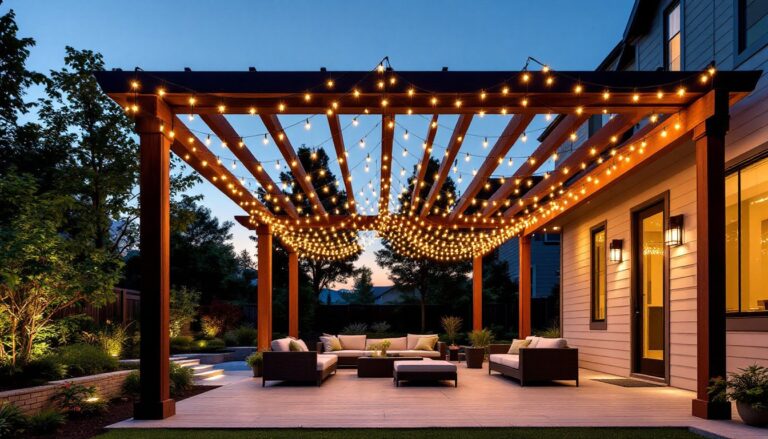
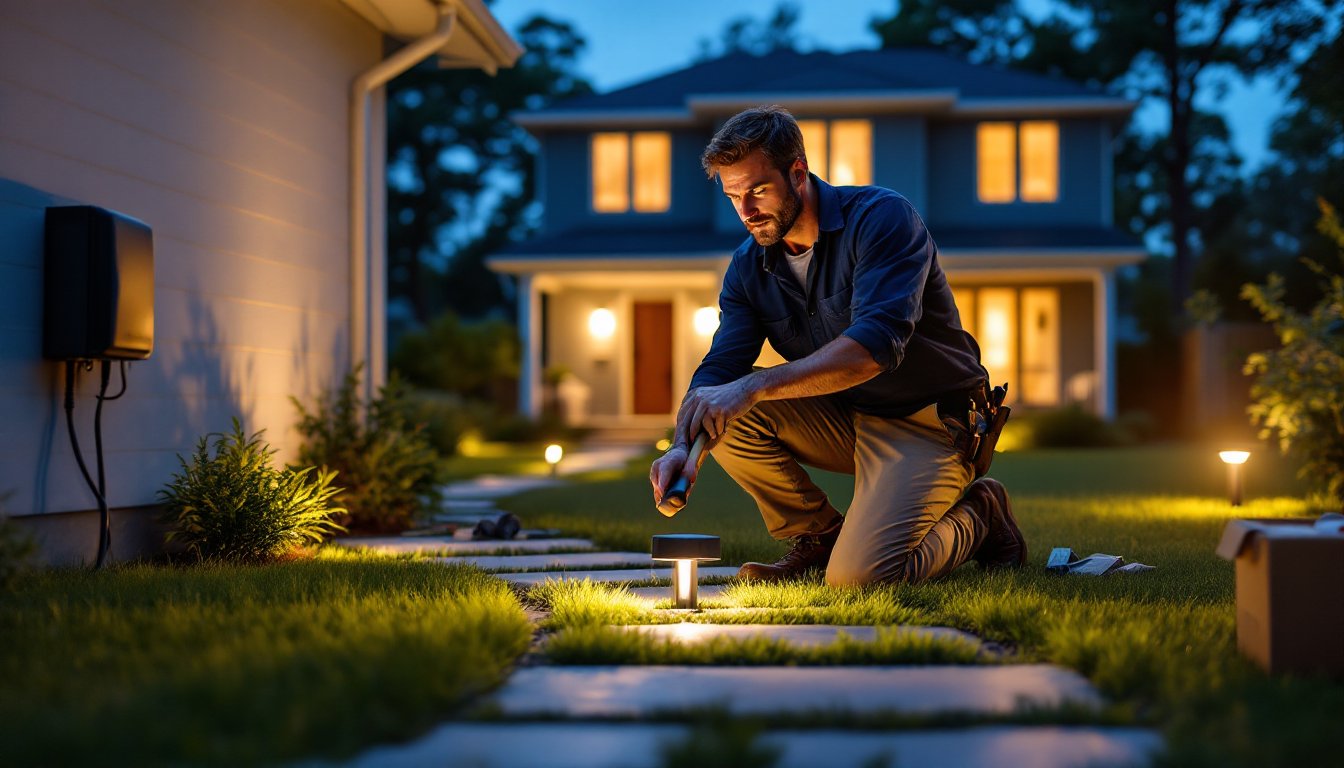
Outdoor lighting transforms a yard from an underused shadow zone into a functional, safe, and inviting extension of the home. Whether highlighting a walkway, illuminating a deck for evening gatherings, or adding security near entry points, the right lighting design improves both usability and curb appeal. This guide walks through planning, fixture selection, layout design, and installation for both low-voltage and line-voltage outdoor lighting systems. Homeowners comfortable with basic electrical work can handle most outdoor lighting projects, though line-voltage installations require strict adherence to the National Electrical Code (NEC) and often a permit.
Table of Contents
ToggleKey Takeaways
- Outdoor lighting design requires planning three lighting layers—ambient, task, and accent—to create balanced illumination that improves both safety and curb appeal.
- Low-voltage outdoor lighting systems are DIY-friendly and ideal for path lights and accent fixtures, while line-voltage systems require strict NEC compliance and often a permit for installation.
- Proper fixture selection matters: choose UL-listed fixtures with IP65 or higher ratings, stainless steel or brass construction, and LED bulbs that last 25,000+ hours and reduce energy costs.
- Before digging, call 811 to locate underground utilities, then map cable runs and space fixtures strategically to avoid voltage drop and ensure even coverage without over-lighting.
- Complete your outdoor lighting installation with nighttime testing to check for adequate illumination, glare, and moisture intrusion, then perform regular maintenance like lens cleaning and connection inspections to keep systems functioning optimally.
Planning Your Outdoor Lighting Design
Effective outdoor lighting begins with a clear plan that accounts for function, aesthetics, and electrical logistics. Skipping this step leads to dark spots, over-lit areas, and wasted fixtures.
Assessing Your Outdoor Space and Lighting Needs
Walk the property at dusk and note areas that need illumination. Common priorities include:
- Pathways and stairs: Safety lighting to prevent trips and falls.
- Entry points: Doors, gates, and driveways benefit from bright, welcoming fixtures.
- Landscape features: Trees, garden beds, and architectural details add visual interest when lit from below or behind.
- Deck and patio zones: Task lighting for dining or cooking areas, plus ambient lighting for seating.
- Security zones: Motion-activated fixtures near garages, side yards, and blind corners.
Measure distances between proposed fixture locations and note obstacles like tree roots, buried utilities, or irrigation lines. Call 811 before digging to mark underground utilities.
Consider the lighting layers: ambient (general illumination), task (focused light for specific activities), and accent (highlighting features). A balanced design uses all three to avoid a flat or harsh appearance.
Sketch a rough site map showing structures, plantings, and existing electrical access points. This becomes the foundation for the layout and wiring plan.
Choosing the Right Types of Outdoor Lighting Fixtures
Outdoor fixtures must withstand moisture, temperature swings, and UV exposure. Match fixture type to function and verify the IP (Ingress Protection) rating, IP65 or higher for wet locations.
Path lights stand 12–18 inches tall and mark walkways without glare. They work best spaced 8–10 feet apart. Spotlights provide focused beams for uplighting trees or flagpoles: adjustable models allow aiming after installation.
Floodlights deliver broad, bright coverage for driveways and large yards. Many now include LED bulbs and motion sensors, reducing energy use and extending bulb life to 25,000+ hours. Outdoor track lighting offers adjustable multi-directional fixtures ideal for covering patios or deck perimeters.
Deck lights mount into posts, risers, or under railings for low-profile illumination. Wall sconces flank doorways and provide downward or omnidirectional light.
Well lights install flush with the ground and aim upward, great for dramatic tree or facade lighting. String lights add ambient warmth to dining areas but aren’t a substitute for task or safety lighting.
Choose fixtures rated for outdoor use (UL-listed for wet or damp locations). Brass, stainless steel, and powder-coated aluminum resist corrosion better than plastic. LED fixtures cost more upfront but save on energy and replacement bulbs over time.
Creating Your Lighting Layout and Wiring Plan
A detailed layout prevents mid-project scrambles for extra wire or transformers. Decide between low-voltage (12V or 24V) and line-voltage (120V) systems based on fixture type and distance from power sources.
Low-voltage systems are DIY-friendly, safer to install, and ideal for path lights, accent lights, and small landscape fixtures. They require a transformer to step down 120V household current to 12V or 24V. Most residential transformers handle 100–300 watts: sum fixture wattages to size correctly. Position the transformer near a GFCI outlet, ideally in a garage or under an eave.
Line-voltage systems power brighter floodlights, wall sconces, and post lights. They demand conduit, junction boxes, GFCI protection, and often a permit. If the project includes adding new circuits or extensive wiring, hire a licensed electrician.
Map cable runs from the transformer (or line-voltage source) to each fixture. For low-voltage, use direct-burial 12- or 14-gauge wire rated for outdoor use. Keep runs under 100 feet to minimize voltage drop: for longer runs, use thicker wire (10-gauge) or add a second transformer.
Space fixtures to create even coverage without over-lighting. A lighting layout tool can help visualize beam angles and coverage zones, especially for complex yards or multi-level decks. Group fixtures on the same circuit by zone (e.g., front walkway, backyard accents) for easier control with timers or smart switches.
Installing Low-Voltage Outdoor Lighting Systems
Low-voltage installation is straightforward but requires attention to wire connections and transformer placement. Most kits include everything needed except basic hand tools.
Materials and tools:
- Low-voltage transformer (sized for total fixture wattage)
- Low-voltage fixtures
- Direct-burial landscape wire (12- or 14-gauge)
- Wire connectors (waterproof, heat-shrink, or twist-lock)
- Flat spade or trenching tool
- Wire strippers, screwdriver, utility knife
- Stake or mallet for fixture placement
Step-by-step installation:
- Mount the transformer near a GFCI outlet, at least 12 inches above ground. Many transformers include a photocell or timer: set the desired on/off schedule.
- Lay out fixtures along the planned route without staking. Walk the path at dusk to confirm spacing and aim.
- Dig shallow trenches (4–6 inches deep) for wire runs. Use a flat spade to slice a narrow channel: this protects the wire and keeps turf intact.
- Connect wire to transformer terminals. Most models use screw terminals or quick-connect ports. Run the main wire line to the first fixture.
- Attach fixtures using the manufacturer’s connectors, typically a piercing or twist-lock design. Strip wire only if required: many connectors pierce the insulation automatically.
- Stake fixtures into the ground and aim as needed. Spotlights and well lights may need small adjustments after testing.
- Bury the wire and replace sod or mulch. Leave a small service loop at each fixture for future maintenance.
- Power on and check operation. If fixtures near the end of the run appear dim, reduce the wire run length or upgrade wire gauge.
Low-voltage systems tolerate minor wiring errors without shock hazards, but poor connections cause flickering or failure. Use only outdoor-rated connectors and ensure they’re fully sealed against moisture. Many DIYers draw inspiration from deck and patio lighting projects that showcase effective low-voltage setups.
Installing Line-Voltage Lighting Fixtures Safely
Line-voltage (120V) installations involve direct household current and must follow NEC Article 410 and local building codes. If the project requires running new circuits from the service panel, hire a licensed electrician. Many jurisdictions require permits and inspections for outdoor electrical work.
Safety gear: Insulated gloves, safety glasses, non-contact voltage tester.
Materials:
- Weatherproof junction boxes and covers (metal or UV-resistant PVC)
- GFCI outlet or breaker (required for outdoor circuits)
- PVC conduit (Schedule 40 for above-ground, Schedule 80 or direct-burial UF cable for underground)
- Conduit fittings, connectors, and mounting brackets
- THWN-2 wire (14-gauge for 15A circuits, 12-gauge for 20A)
- Line-voltage fixtures (UL-listed for wet locations)
- Wire nuts, electrical tape
Installation steps:
- Turn off power at the breaker. Use a voltage tester to confirm the circuit is dead.
- Install a weatherproof junction box at the point where outdoor wiring leaves the house. If tapping an existing outdoor outlet, confirm it’s GFCI-protected.
- Run conduit from the junction box to fixture locations. Bury conduit at least 18 inches deep for PVC or 24 inches for direct-burial UF cable (check local code). Use a trenching tool or rent a small trencher for long runs.
- Pull wire through conduit. Leave extra length at both ends for connections. Strip insulation carefully with wire strippers, nicking the copper weakens the wire.
- Mount fixtures to junction boxes or directly to surfaces using weatherproof backplates. Many wall sconces and floodlights include integral mounting brackets.
- Make wire connections: Match black (hot) to black, white (neutral) to white, and green or bare copper (ground) to ground. Use wire nuts rated for outdoor use and wrap with electrical tape. Secure wires neatly inside the box.
- Install weatherproof covers on all boxes. Test each fixture before burying conduit or sealing walls.
- Restore power and verify operation. If installing multiple fixtures, consider a timer, photocell, or smart switch for automatic control.
Never bury standard indoor wire or use indoor-rated boxes outdoors, they’ll fail quickly. Outdoor lighting solutions often involve retrofitting existing line-voltage circuits: confirm the circuit can handle added load without exceeding breaker capacity (80% of rated amperage for continuous loads). Projects involving decorative wall sconces benefit from careful placement that balances aesthetics with wiring practicality. For detailed cost breakdowns and professional installation comparisons, national cost data for landscape lighting provides useful benchmarks.
Testing and Adjusting Your Outdoor Lighting
Installation isn’t complete until the system performs as planned. Test at night to evaluate actual light levels, shadows, and glare.
Initial testing checklist:
- Turn on all fixtures and confirm operation. Replace any non-functioning bulbs or check connections.
- Walk pathways and stairs to verify adequate illumination without harsh shadows.
- Check for glare, fixtures aimed too high or too bright cause eye strain and light trespass into neighbors’ yards.
- Inspect connections for moisture intrusion. Corroded terminals or water inside fixtures indicate inadequate sealing.
Adjustments:
- Reposition spotlights and floods to eliminate dark zones or over-lit areas. Most models have adjustable mounts or swivel heads.
- Dim fixtures if possible. Many LED transformers and line-voltage dimmers allow brightness adjustments. This reduces glare and extends bulb life.
- Add or remove fixtures as needed. It’s easier to add a few extra path lights during installation than to trench new wire later.
- Trim branches or vegetation that block light or create unwanted shadows.
Ongoing maintenance:
- Clean lenses and housings every few months. Dirt and pollen reduce output by 20–30%.
- Inspect wire connections annually, especially after freeze-thaw cycles.
- Replace bulbs as needed: LEDs last years, but traditional halogen bulbs fail faster.
- Check GFCI outlets and reset if tripped. Nuisance tripping often indicates moisture in connections or a failing GFCI.
Many homeowners explore creative lighting techniques to refine their designs or add seasonal accents. Smart outdoor lighting systems integrate with voice assistants and allow remote scheduling, though they add complexity and cost. For projects that blend function with style, experimenting with artistic light placements can elevate the final result. Additional inspiration for complete outdoor transformations comes from home lighting strategies that coordinate indoor and outdoor illumination.
A well-designed outdoor lighting system enhances safety, extends usable hours, and showcases the home’s best features after dark. With careful planning, appropriate fixture selection, and meticulous installation, most homeowners can tackle these projects confidently, and enjoy the results for years.