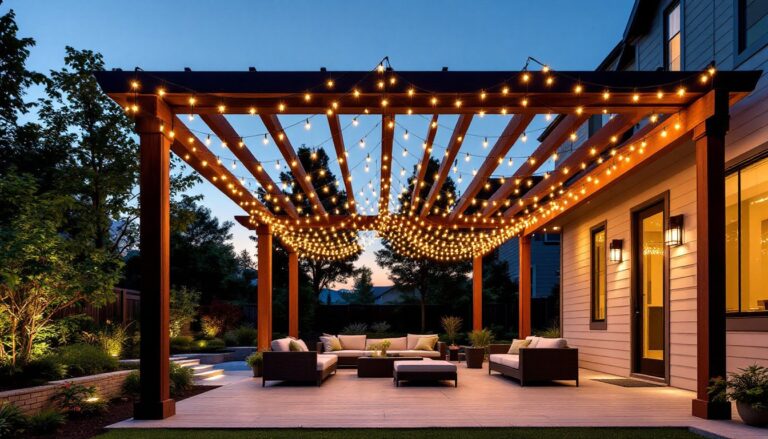
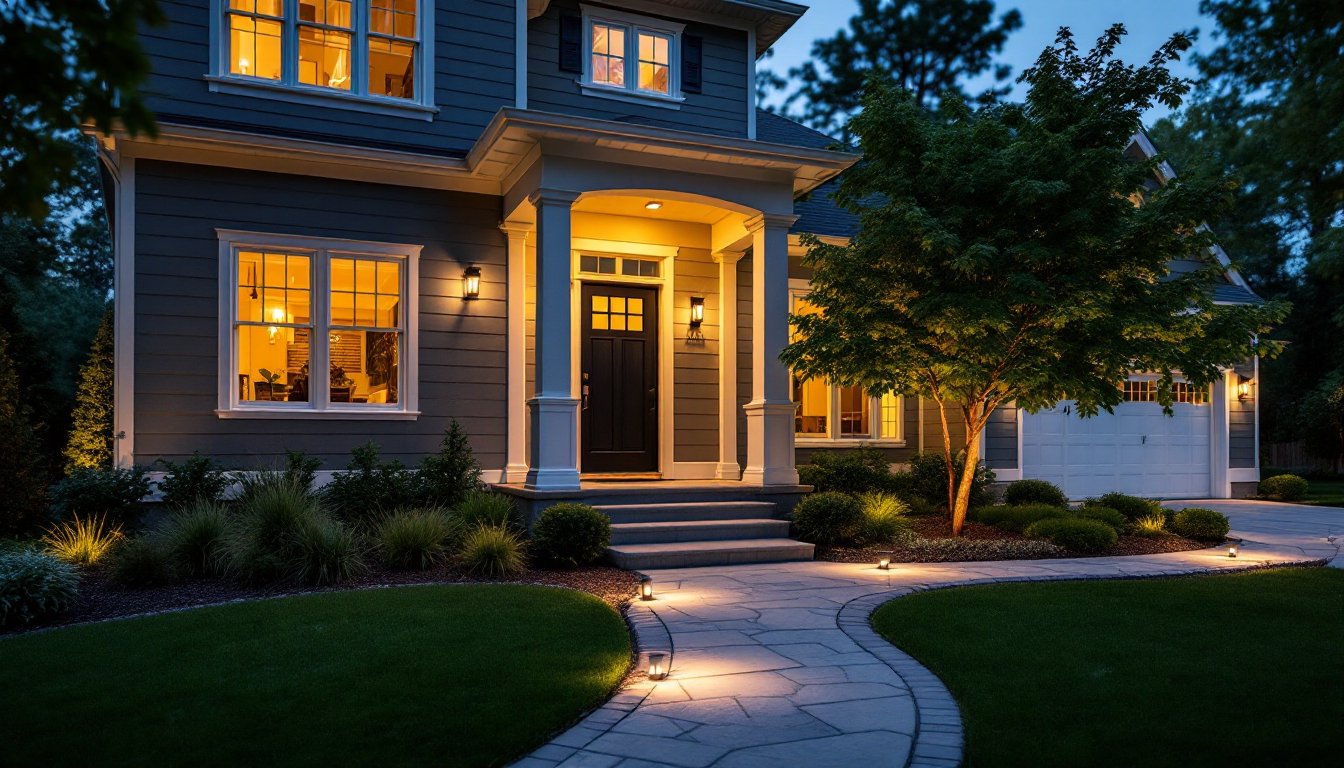
Outdoor lighting isn’t just about keeping your porch visible after dark, it’s about security, ambiance, and showing off the work you put into your landscaping. LED fixtures have become the go-to for exterior lighting, and for good reason. They outlast traditional bulbs by years, use a fraction of the power, and handle weather better than most of us handle Mondays. Whether someone’s upgrading a tired front porch light or planning a full landscape lighting system, understanding the options and installation basics will save time, money, and trips to the hardware store. This guide walks through choosing, installing, and getting the most out of outdoor LED lighting fixtures in 2026.
Table of Contents
ToggleKey Takeaways
- Outdoor LED lighting fixtures use 75% less electricity than incandescent bulbs and last 25,000 to 50,000 hours, delivering significant cost savings and minimal maintenance over 10 to 20 years of typical use.
- Choose LED fixtures with an IP65 rating or higher to ensure proper dust and moisture protection for outdoor environments, and always verify color temperature (2700K–3000K for ambiance, 5000K+ for security) based on intended use.
- Installation complexity varies from simple fixture replacements to code-compliant line-voltage work requiring permits and GFCI protection; low-voltage landscape systems are a safer, easier alternative that requires no permit in most areas.
- Compare lumens rather than wattage when selecting outdoor LED lighting fixtures, as a 10-watt LED produces the same brightness as a 60-watt incandescent despite vastly different power consumption.
- Motion sensors with adjustable sensitivity and timer modes enhance security floodlights while reducing energy consumption and extending fixture lifespan in high-use areas.
- Proper weatherproofing with silicone caulk, secure gaskets, and tight wire connections prevents corrosion and fixture failure, ensuring reliable performance for over a decade with minimal upkeep.
Why Choose LED Lighting for Your Outdoor Spaces
LEDs bring several practical advantages that matter when fixtures are exposed to rain, snow, UV rays, and temperature swings.
Energy efficiency tops the list. An LED bulb uses roughly 75% less electricity than an incandescent equivalent. For outdoor fixtures that might run dusk-to-dawn or on motion sensors for hours each night, that difference shows up on utility bills. A 10-watt LED delivers the same light output as a 60-watt incandescent, and over a year of nightly use, the savings add up.
Lifespan is the second major benefit. Quality LED fixtures are rated for 25,000 to 50,000 hours. That translates to roughly 10 to 20 years of typical outdoor use before needing replacement. Compare that to incandescent bulbs that burn out after 1,000 hours, or even CFLs that manage around 8,000. Less ladder time, fewer bulb runs, and fewer disposal headaches.
Durability matters outdoors. LEDs are solid-state devices, no fragile filaments or glass tubes. They handle vibration, impact, and temperature extremes better than older bulb types. Many fixtures rated for outdoor use include weather-resistant housings, but the LED itself is inherently tougher.
Modern LED lighting technology also delivers better color rendering and dimming options than early generations. Warm white (2700K–3000K) mimics traditional incandescent glow, while cooler temps (4000K–5000K) work well for security and task lighting. Fixtures with integrated LEDs often include smart features, timers, motion sensors, and app control, that weren’t practical with older bulb technologies.
Types of Outdoor LED Lighting Fixtures
Outdoor LED fixtures come in dozens of form factors. Here are the main categories and where they work best.
Wall-Mounted and Sconce Fixtures
These attach directly to exterior walls and serve as primary lighting for entryways, porches, garages, and patios. They come in styles ranging from traditional lanterns to modern geometric designs.
Wattage for wall sconces typically runs 8 to 15 watts for decorative fixtures, and 15 to 30 watts for brighter task or security applications. Look for fixtures with dusk-to-dawn photocells or compatibility with wall switches and dimmers.
Mounting height matters. For front doors, the bottom of the fixture should sit around 65 to 70 inches above the threshold, roughly eye level. Garage and side entry lights can mount higher (75 to 80 inches) since they prioritize coverage over ambiance.
Most wall-mounted fixtures require a standard electrical box. If replacing an existing fixture, the wiring should already be in place. New installations mean running 14/2 or 12/2 NM-B cable (Romex) from a nearby junction box or the service panel. Always verify local electrical codes and whether a permit is required. In many jurisdictions, adding a new circuit outdoors requires both a permit and GFCI protection.
Path Lights and Landscape Lighting
Path lights and landscape spotlights define walkways, highlight plants or architectural features, and add layers of light to yards and gardens. These fixtures are typically low-voltage (12V or 24V) systems powered by a transformer, though some solar and line-voltage options exist.
Low-voltage LED kits include a transformer (usually 100 to 300 watts), wire, and multiple fixtures. They’re safer and easier to install than line-voltage systems, no permit required in most areas, and the risk of shock is minimal. Transformers plug into a standard outdoor GFCI outlet.
Spacing for path lights is typically 6 to 8 feet apart, with fixtures 12 to 18 inches from the edge of the walkway. Overlapping pools of light create a more even, welcoming effect than spotlighting every 10 feet.
Landscape spotlights often use adjustable stakes or mounts, with wattages ranging from 3 to 10 watts depending on the size of the plant or feature. For trees, place lights at the base and aim upward: for shrubs and flower beds, use lower wattages and wider beam angles.
Some homeowners prefer solar-powered landscape lights, which eliminate wiring altogether. But, performance depends on sun exposure, and brightness is generally lower than wired LEDs.
Floodlights and Security Lighting
Floodlights deliver high-lumen output over wide areas, driveways, backyards, loading zones, and anywhere security or task lighting is the priority. Modern LED floodlights range from 15 to 50 watts and produce 1,500 to 5,000+ lumens.
Motion sensors are standard on most security floods. Look for adjustable sensitivity, timer duration (how long the light stays on after detecting motion), and dual-brightness modes (dim when idle, full brightness on motion). This saves energy and extends fixture life.
Installation usually involves mounting a weather-resistant junction box to an exterior wall or soffit, then wiring the fixture to a dedicated circuit. Because floodlights draw higher wattage and often stay on for extended periods, they should be on their own circuit or at least isolated from sensitive indoor electronics.
Beam angle affects coverage. A 120-degree flood covers a two-car driveway: narrower 60 to 90-degree beams work for focused security near doors and gates. Some fixtures allow you to adjust the angle of individual LED arrays for custom coverage.
Smart floodlights, compatible with systems like those featured on digital home automation platforms, add scheduling, remote control, and integration with cameras or alarm systems. These are worth considering if you’re building out a connected home ecosystem.
Key Features to Consider When Selecting Outdoor LED Fixtures
Not all outdoor LEDs are created equal. Here’s what to check before buying.
IP rating (Ingress Protection) indicates how well a fixture resists dust and moisture. For most outdoor applications, look for IP65 or higher. IP65 means dust-tight and protected against water jets, sufficient for rain and snow. Fixtures in direct contact with sprinklers or under eaves with heavy runoff should be IP66 or IP67. Don’t skip this spec: a fixture rated only IP44 will corrode or short out within a season if exposed to the elements.
Color temperature affects mood and function. Warm white (2700K–3000K) works well for front porches, patios, and decorative sconces. Neutral white (3500K–4000K) suits garage and workshop areas. Cool white (5000K–6500K) is bright and clinical, ideal for security floods but harsh for social spaces. Some fixtures offer tunable white or RGB color-changing modes: these add versatility but usually come at a higher price and may require app control.
Lumens and wattage are not the same. Wattage measures energy consumption: lumens measure brightness. A 10-watt LED might produce 800 to 1,000 lumens, while an older 60-watt incandescent produces only around 800. Always compare lumens, not watts, when sizing replacements.
Dimming compatibility can be tricky with LEDs. Not all fixtures dim smoothly, and not all dimmers work with LED drivers. If dimming is important, confirm that both the fixture and the wall dimmer (or smart controller) are compatible. Look for fixtures explicitly labeled “dimmable” and pair them with an LED-rated dimmer switch.
Housing material impacts longevity. Aluminum and stainless steel resist rust and hold up better than plastic, especially in coastal or high-humidity climates. Powder-coated finishes add another layer of protection but can chip if the fixture is bumped during installation or maintenance.
For comprehensive lighting planning, consider how fixtures integrate with timers, photocells, and existing wiring. A well-thought-out system saves rewiring later.
Installation Tips for Outdoor LED Lighting
Installing outdoor LED fixtures ranges from simple plug-and-play to work that requires an electrician. Here’s how to approach each scenario.
Replacing an existing fixture is the easiest. Turn off power at the breaker (not just the wall switch), remove the old fixture, and confirm wiring with a non-contact voltage tester. Match black to black (hot), white to white (neutral), and green or bare copper to ground. Most LED fixtures include wire nuts and a mounting bracket. Follow the manufacturer’s instructions for securing the bracket to the electrical box, connect wires, tuck them neatly into the box, and attach the fixture. Restore power and test.
New low-voltage landscape lighting requires a transformer, wire, and fixtures. Mount the transformer near a GFCI-protected outlet (most codes require outdoor outlets to be GFCI). Run 12- or 14-gauge low-voltage landscape wire along the planned route, burying it 6 to 12 inches deep to protect it from lawn equipment and foot traffic. Strip wire ends, attach fixtures according to the kit instructions (most use quick-connect clips), and connect the main wire run to the transformer terminals. Set the transformer timer or photocell, plug it in, and test each fixture.
For planning and spacing help, a lighting layout tool can visualize placement before digging trenches or drilling holes.
Line-voltage installations (120V) must comply with the National Electrical Code (NEC) and local amendments. This typically means:
- Running UF-B (underground feeder) cable if the wire is buried, or conduit-rated wire inside PVC or metal conduit if above ground.
- Burying cable at code-required depth (usually 12 to 18 inches for conduit, 24 inches for direct-burial cable).
- Installing a weatherproof junction box and using weatherproof connectors and gaskets.
- Protecting circuits with GFCI breakers or GFCI outlets.
If you’re unsure about wire sizing, circuit load, or permit requirements, consult a licensed electrician or check with your local building department. Cost estimates vary widely, according to resources like HomeAdvisor, professional installation of a basic outdoor fixture runs $100 to $250 per fixture depending on complexity and region.
Safety gear is non-negotiable. Wear safety glasses when drilling or cutting, work gloves to protect hands from sharp edges and wire ends, and insulated tools when working with electricity. Always test wires with a voltage tester before touching them, even if you’ve flipped the breaker.
Weatherproofing the connections extends fixture life. Use silicone caulk around mounting brackets and where conduit enters the fixture. Ensure gaskets are seated properly and that wire nuts are tight. A loose connection outdoors will corrode and cause flickering or failure within months.
For multi-fixture systems, label circuits clearly at the breaker panel. Future you, and any contractor who works on your home, will appreciate knowing which breaker controls the backyard floods versus the front porch sconces.
Finally, consider aesthetic consistency. Mixing fixture styles can work if done intentionally, but matching finishes (black, bronze, brushed nickel) and light temperatures across the front of the house creates a more cohesive look. Save the experimentation for backyard track lighting or accent features where variety adds interest.
Once installed, outdoor LED fixtures require minimal maintenance, occasional cleaning of lenses and checking that gaskets remain intact. With proper installation and quality fixtures, the system should deliver reliable light for a decade or more, transforming outdoor spaces into functional, welcoming areas well after the sun goes down.