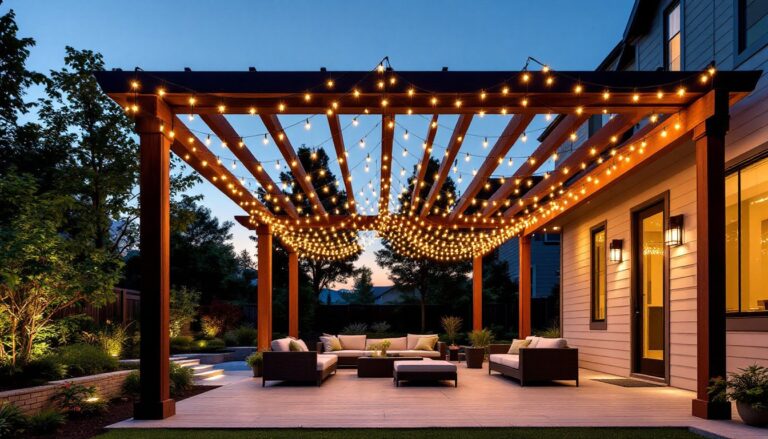
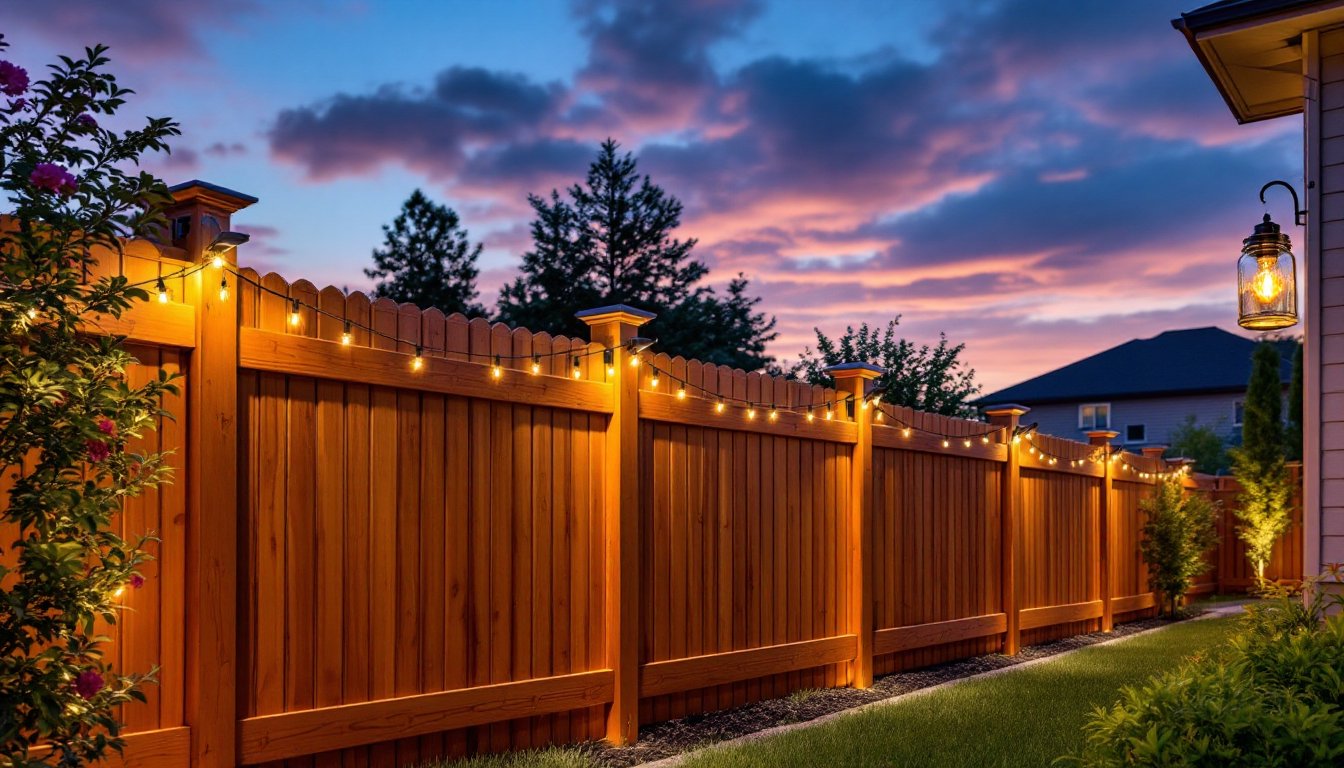
Fence lighting does more than keep your backyard visible after dark, it defines boundaries, highlights landscaping, and creates zones for entertaining without the cost or hassle of a full landscape lighting overhaul. Whether you’re aiming for security, ambiance, or a little of both, the right lighting setup can turn a plain fence line into a design feature that extends your usable outdoor space well into the evening. This guide covers solar options, low-voltage systems, decorative string lights, and DIY builds that don’t require an electrician or a permit in most jurisdictions.
Table of Contents
ToggleKey Takeaways
- Outdoor fence lighting ideas enhance safety, security, and aesthetics while being one of the most cost-effective ways to illuminate a large outdoor area without a full landscape overhaul.
- Solar fence lights are the simplest installation option with no wiring required, but expect 4–8 hours of runtime and avoid shaded or north-facing fences where they underperform.
- String lights and fairy lights provide instant decorative ambiance for fences, but keep runs under 48–100 feet per circuit and secure them with UV-resistant zip ties to prevent wire damage and fire hazards.
- Low-voltage landscape lighting systems (12V or 24V) offer the best balance of brightness, control, and safety, allowing easy fixture adjustments and integration with timers or photocells for automatic operation.
- LED post cap lights deliver clean, modern illumination and require proper post measurement (3.5″ × 3.5″ for 4×4 posts); space them 6–8 feet apart for even coverage without over-illuminating.
- DIY fence lighting projects like mason jar lanterns, reclaimed wood sconces, and PVC pipe uplights let you create custom solutions without an electrician, as long as they comply with local electrical codes and safety clearances.
Why Fence Lighting Is Essential for Your Outdoor Space
Fence lighting serves three core functions: safety, security, and aesthetics. A well-lit perimeter reduces tripping hazards on uneven ground, deters trespassers by eliminating dark corners, and makes your yard usable after sunset without relying solely on harsh overhead floods.
From a practical standpoint, lighting a fence line is one of the most cost-effective ways to illuminate a large area. Instead of installing multiple standalone fixtures across your yard, mounting lights along an existing structure provides even coverage with fewer electrical runs or solar units.
Code-wise, most fence lighting falls under low-voltage or solar categories, which typically don’t require permits. If you’re planning to run 120V line voltage to fence-mounted fixtures, check your local electrical code, some jurisdictions require a licensed electrician for outdoor circuits, especially those buried underground. Always use GFCI-protected outlets for any plug-in systems.
Solar-Powered Fence Lights for Eco-Friendly Illumination
Solar fence lights are the simplest install: no wiring, no transformer, no electrician. Most clip or screw directly onto fence posts or rails and charge via built-in photovoltaic cells during the day. Expect 4–8 hours of runtime on a full charge, depending on battery capacity and LED efficiency.
Look for units with replaceable NiMH or lithium batteries, cheap models use non-replaceable cells that die within a year. Quality solar post cap lights (typically 4×4 or 6×6 sizing for standard nominal lumber) put out 10–30 lumens per fixture, enough for accent lighting but not task lighting. If you need brighter output, consider solar with separate panels that can be positioned for maximum sun exposure.
Installation is straightforward: secure the mounting bracket, drop in the light, and you’re done. For shaded yards, solar won’t perform well, tree canopy or north-facing fences limit charge time. In those cases, low-voltage or plug-in options are better bets.
One caution: many homeowners find that affordable lighting solutions work best when matched to realistic expectations. Solar is convenience, not floodlight-level brightness.
String Lights and Fairy Lights for a Magical Ambiance
String lights remain the go-to for decorative fence lighting because they’re flexible, affordable, and create instant ambiance. Use outdoor-rated Edison bulb strings (typically E12 or E26 sockets) for a bistro look, or LED fairy lights for a softer, more diffused glow.
For permanent installations, run lights along the top rail or weave them through pickets using UV-resistant zip ties or insulated staples. Avoid brad nails or staples that pinch the wire jacket, damaged insulation can cause shorts or fire hazards. Most plug-in string sets use 120V and must connect to a GFCI outlet: some come with built-in timers or photocells.
If your fence spans a long run, note that most string sets max out at 48–100 feet per circuit. Longer runs require multiple outlets or a daisy-chained series (check the manufacturer’s max connection spec). For ease of use, low-voltage string lights (connected to a transformer) offer safer handling and can be extended with landscape wire splices.
Some designers recommend patterns inspired by creative outdoor lighting projects to maximize visual impact without oversaturating the space. Balance is key, too many strands can look cluttered, especially on shorter fences.
LED Post Cap Lights for Modern Elegance
LED post cap lights mount on top of fence posts and deliver clean, downward-casting illumination. They’re available in solar, low-voltage, and 120V line-voltage versions. Solar caps are the easiest install: low-voltage caps offer consistent brightness and longer runtimes: line-voltage caps provide the brightest output but require an electrician in most jurisdictions.
Standard post caps fit nominal 4×4 posts (actual 3.5″ x 3.5″) or 6×6 posts (actual 5.5″ x 5.5″). Measure your actual post size before ordering, undersized caps wobble, oversized caps won’t seat properly. Quality units use aluminum or powder-coated steel housings for weather resistance: plastic caps fade and crack under UV exposure.
For a cohesive look, match cap style to your fence material. Modern horizontal slat fences pair well with low-profile square caps: traditional picket fences suit pyramid or flat caps. Aim for one cap every 6–8 feet for even spacing without over-illuminating.
LED post cap lights typically draw 1–3 watts per fixture. A 60-watt low-voltage transformer can power 20–60 caps depending on wattage, making this an efficient option for long fence runs. If you’re considering broader outdoor track lighting for adjacent hardscaping, post caps integrate well into a unified design.
Low-Voltage Landscape Lights Along Your Fence Line
Low-voltage landscape lighting (12V or 24V systems) offers the best balance of brightness, control, and safety for fence lines. A typical setup includes a transformer, landscape wire, and individual fixtures, bullet lights, well lights, or wash lights mounted at the base of the fence or aimed upward.
Start by calculating total wattage: add up the wattage of all planned fixtures and choose a transformer rated at least 25% higher than your total load. A 200-watt transformer can handle roughly 150 watts of fixtures after accounting for voltage drop over wire runs. Use 12- or 14-gauge landscape wire for runs up to 100 feet: longer runs require heavier wire or a hub system to prevent dimming at the end of the line.
Install the transformer near a GFCI-protected outlet, then bury the wire 6–12 inches deep in a shallow trench along the fence base. Some codes allow direct-burial rated wire to sit on the ground surface under mulch, but trenching is more secure and hides the wire better. Use waterproof wire connectors (not wire nuts) at every fixture splice.
Low-voltage systems allow for easy fixture adjustments, if you decide a light is too bright or poorly aimed, just reposition it. Pair with a photocell or timer for automatic dusk-to-dawn operation. For homeowners exploring versatile lighting solutions across multiple zones, low-voltage systems integrate well with garden beds and pathways.
Creative DIY Fence Lighting Projects You Can Build This Weekend
Mason Jar Lanterns
Mount wide-mouth mason jars to fence boards using stainless steel hose clamps or pipe straps. Drop in a battery-operated LED tea light or puck light, and you’ve got a rustic accent light. For a more permanent setup, drill a hole in the jar lid and thread low-voltage wire through to connect a 12V LED bulb.
Reclaimed Wood Sconces
Cut fence scrap or pallet wood into 8″–12″ backing boards. Attach a simple L-bracket or conduit strap to hold a small solar spotlight or battery-powered puck light. Stain or seal the wood with exterior-grade polyurethane, then screw the sconce to the fence. This works especially well for vertical board fences where you can align sconces between pickets.
PVC Pipe Uplights
Use 3″ or 4″ PVC pipe cut to 6″–8″ lengths as ground-mounted housings for small LED spotlights. Paint the PVC with exterior spray paint (primer first for adhesion), dig shallow holes at the fence base, and drop in the lights. Angle them upward to wash the fence with light. Connect via low-voltage wire to a transformer. This setup is semi-permanent and easy to relocate if you change your layout.
Wine Bottle Tiki Torches
For a decorative option that’s more ambiance than task lighting, convert empty wine bottles into oil lamp fence mounts. Drill a hole through the bottle using a diamond-coated glass bit (wear safety goggles and keep the bit wet), insert a tiki torch wick and collar, and mount the bottle to the fence with a wire holder or custom wood bracket. Fill with citronella lamp oil for bug deterrence. Note: open flame fixtures require clearance from combustible surfaces, keep at least 12″ away from wood fence boards.
All DIY projects benefit from proper surface prep: clean, sand, and seal any wood components before assembly. For inspiration on combining rustic and modern styles, many designers draw from farmhouse lighting aesthetics that balance function and charm.
Conclusion
Fence lighting doesn’t require a full electrical overhaul or a landscape architect. Whether you’re clipping on solar caps, running low-voltage wire, or building weekend DIY sconces, the key is matching the lighting type to your fence material, sun exposure, and intended use. Start with one section, test brightness and spacing, then expand. Your yard will be safer, more usable, and a lot better looking after dark.