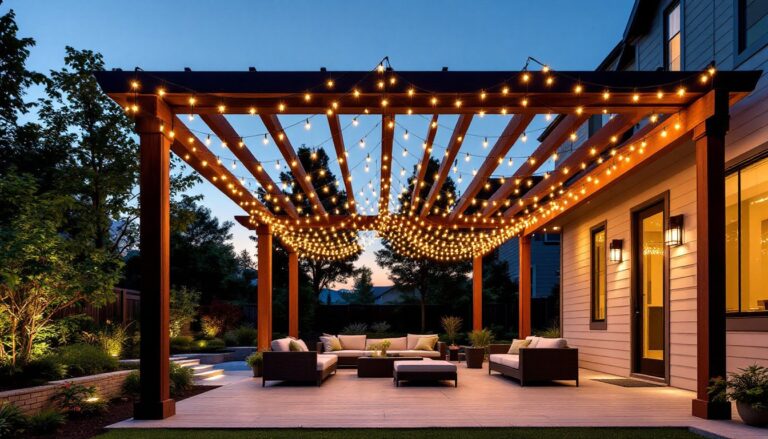
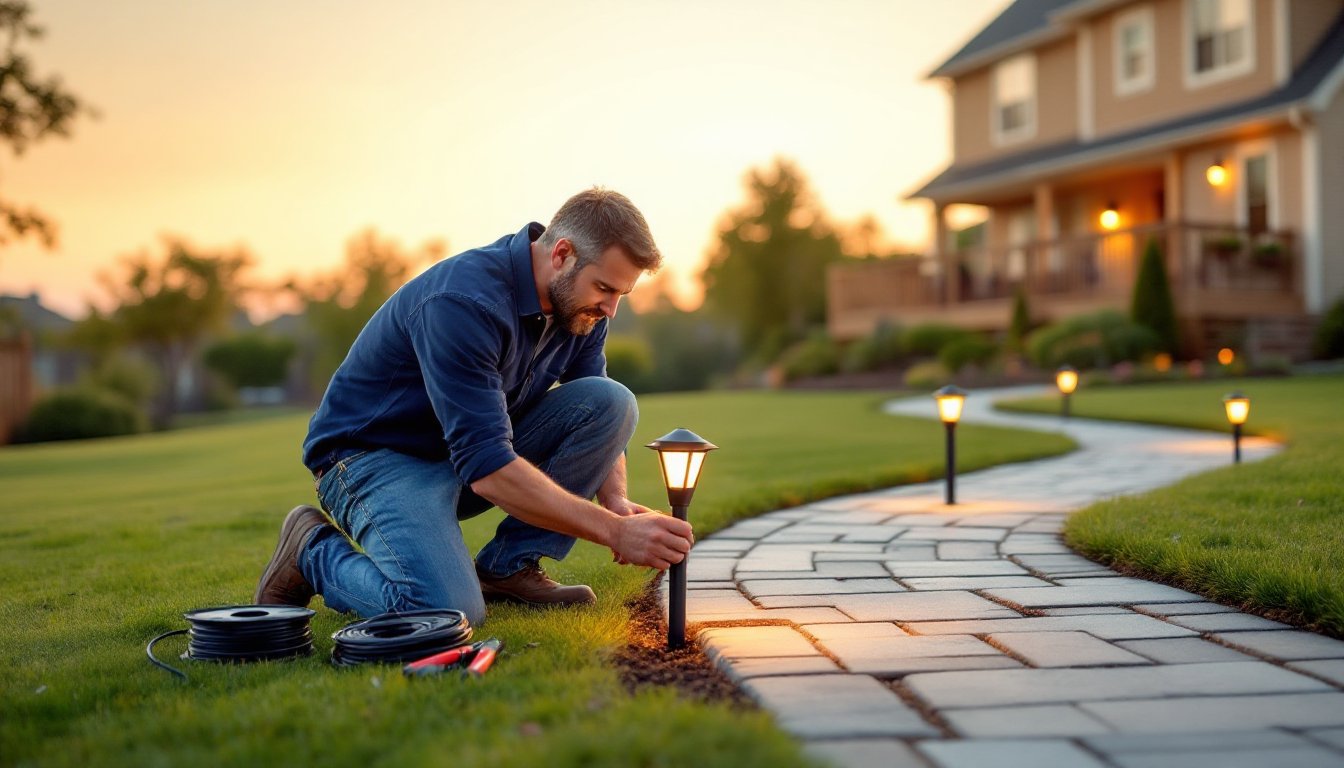
Outdoor lighting transforms a dark, unusable yard into a functional, safe space for evening gatherings, security, and curb appeal. Whether someone’s aiming to light up a deck, highlight landscaping, or secure pathways, installing outdoor lighting is a manageable DIY project, if they understand the basics of low-voltage systems, local electrical codes, and proper fixture placement. This guide walks homeowners through planning, installation, and troubleshooting, with honest talk about when to call a licensed electrician and when to grab the wire strippers and get to work.
Table of Contents
ToggleKey Takeaways
- Installing outdoor lighting with a 12-volt low-voltage system is a manageable DIY project that requires careful planning, proper tool selection, and understanding local electrical codes.
- Start by mapping fixture locations at dusk and sizing your transformer at least 20% above total fixture wattage to prevent voltage drop and ensure consistent brightness across all lights.
- Use 12-gauge wire for cable runs over 50 feet and always choose waterproof, silicone-filled connectors rated for direct burial rather than standard wire nuts.
- Bury low-voltage cable 6 inches deep in most areas and 12 inches deep with PVC conduit where it crosses driveways or high-traffic zones for safety and protection.
- Test the entire system at dusk before completing installation, checking that voltage at the farthest fixture reads 10.8–12 volts and all fixtures illuminate properly.
- Call a licensed electrician if your project requires line-voltage (120V) systems, permits, or hardwired connections to your home’s electrical system.
Planning Your Outdoor Lighting Layout
Good outdoor lighting starts with a solid plan, not guesswork with a shovel. Walk the property at dusk and identify areas that need light: entry paths, stairs, deck edges, landscape features, and dark corners where intruders could hide. Sketch a rough layout on graph paper or use a lighting layout tool to map fixture locations and cable runs.
Low-voltage vs. line-voltage systems: Most DIY outdoor lighting uses 12-volt low-voltage systems, which are safer, easier to install, and don’t require conduit in most jurisdictions. Line-voltage (120V) systems deliver more light output and work for large areas or commercial-grade fixtures, but they require permits, conduit, GFCI protection, and often a licensed electrician. For typical residential projects, path lights, accent lights, deck lighting, low-voltage is the way to go.
Transformer sizing matters. Add up the wattage of all planned fixtures and choose a transformer rated at least 20% above that total. A 300-watt transformer can handle about 240 watts of fixtures, accounting for voltage drop over distance. Place the transformer near a GFCI-protected outlet, ideally within 10 feet of the starting point to minimize voltage loss.
Check local codes. Some municipalities require permits even for low-voltage lighting if it’s hardwired to the home’s electrical system. Others allow plug-in transformers without permits. Call the local building department or check their website before digging.
Essential Tools and Materials You’ll Need
Tools:
- Spade or flat shovel for trenching (a trenching shovel makes this faster)
- Wire strippers and combination pliers
- Drill/driver with bits for mounting fixtures
- Tape measure and landscape marking paint
- Voltage tester or multimeter
- Utility knife for cutting cable
- Safety glasses and work gloves
Materials:
- Low-voltage transformer (150W, 300W, or 600W depending on total fixture load)
- Low-voltage landscape lighting cable (12/2 or 14/2 gauge: use 12-gauge for runs over 50 feet to reduce voltage drop)
- Landscape lighting fixtures (path lights, spotlights, well lights, etc.)
- Wire connectors (waterproof, silicone-filled connectors rated for direct burial)
- Ground stakes or mounting hardware (included with most fixtures)
- Conduit or protective sleeves (optional but recommended where cable crosses driveways or high-traffic areas)
Cable gauge matters more than most DIYers realize. For runs under 50 feet, 14-gauge wire works fine. For longer runs or higher wattage, step up to 12-gauge to prevent voltage drop that dims fixtures at the end of the line. LED lights draw far less power than halogen, so they’re more forgiving on longer cable runs and reduce transformer load.
Step-by-Step Installation Process
Running Low-Voltage Wiring Safely
-
Lay out the cable route. Use landscape marking paint or flour to mark the path from the transformer to each fixture location. Keep cable runs at least 6 inches away from sprinkler lines and avoid areas where future digging might damage wiring.
-
Dig trenches. Low-voltage cable only needs to be buried 6 inches deep in most jurisdictions (check local codes). Use a flat shovel to cut a narrow trench. If the cable crosses a driveway or walkway, bury it 12 inches deep and run it through Schedule 40 PVC conduit for protection.
-
Run the cable. Unroll the cable along the trench, leaving 6-12 inches of slack at each fixture location for connections. Don’t pull it taut, soil movement and frost heave need some give.
-
Make connections. Use waterproof, silicone-filled wire connectors, not standard wire nuts, which aren’t rated for direct burial. Strip ½ inch of insulation, insert the fixture lead and main cable into the connector, and twist until snug. Some fixtures use quick-connect clips that pierce the cable: these work but can corrode over time, so waterproof connectors are more reliable.
-
Test before burying. Plug in the transformer and check that all fixtures light up. Use a multimeter to measure voltage at the farthest fixture, it should read 10.8–12 volts. If it’s below 10.5V, voltage drop is too high: either shorten the run, increase wire gauge, or split the load across two transformer taps. Homeowners considering portable lighting for temporary setups can skip trenching, but permanent systems need buried cable for safety and aesthetics.
-
Backfill the trenches. Once everything tests good, refill the trenches and tamp the soil lightly. Mark the cable route on the property sketch for future reference, landscape projects and fence posts have a way of finding buried wires.
Mounting and Connecting Your Fixtures
-
Install path lights and stakes. Push ground-stake fixtures firmly into the soil at marked locations. If the ground is hard or rocky, pre-soak the area or use a pilot hole with a steel rod. Make sure stakes are vertical, crooked path lights look sloppy and cast uneven light.
-
Mount wall or deck fixtures. Use the included mounting hardware and ensure fasteners hit solid wood or masonry. For vinyl siding, drill through to the sheathing or framing. Seal screw holes with clear silicone caulk to prevent water intrusion.
-
Adjust fixture angles. Most spotlights and well lights have adjustable heads. Aim accent lights at a 30–45 degree angle to highlight trees, architectural features, or walls. Avoid direct glare into windows or neighboring properties. Properly angled outdoor track lighting systems and spot fixtures prevent light pollution and focus illumination where it’s needed.
-
Organize cable slack. Coil excess wire neatly at the fixture base and secure it with a landscape staple or tuck it under mulch. Don’t let loops of cable sit on the surface, they’re a trip hazard and look unfinished.
Testing and Troubleshooting Your New Lighting
After installation, run a full system test at dusk to check brightness, coverage, and any dark spots. Here’s how to fix common issues:
Fixtures won’t light up: Check connections first. Corroded or loose connectors are the most common culprit. Open each connection, inspect for moisture or corrosion, and remake with fresh connectors if needed. Test voltage at the transformer output and at each fixture with a multimeter.
Dim lights at the end of the run: Voltage drop. Measure voltage at the problem fixture, if it’s below 10.5V, the wire gauge is too small or the run is too long. Solutions: upgrade to 12-gauge cable, split the load across multiple transformer taps, or add a second transformer midway through the system. According to guidance from Bob Vila, proper voltage distribution is critical for consistent lighting performance across all fixtures.
Flickering lights: Loose connections, damaged cable, or a failing transformer. Inspect all connections and look for nicked or pinched wire. Replace damaged sections.
Transformer hums or trips: Overloaded. Verify total fixture wattage doesn’t exceed the transformer rating. If it does, remove some fixtures or add a second transformer.
Timer or photocell won’t activate: Some transformers have manual override switches that disable automatic operation. Check the switch position. If the photocell is in a shaded area, it may not sense dusk correctly, relocate it to a spot with clear sky exposure. Homeowners exploring smart lighting solutions can upgrade to Wi-Fi or Zigbee-compatible transformers for app-based control and scheduling.
Safety check: After everything’s working, inspect all connections, ensure cable is buried or secured, and confirm the transformer’s GFCI outlet is functioning (press the test button, it should trip).
Conclusion
Installing outdoor lighting is one of the most rewarding DIY projects, it boosts safety, extends usable outdoor hours, and adds serious curb appeal. Low-voltage systems are forgiving, code-friendly, and well within reach for most homeowners willing to dig a few trenches and make some connections. Plan the layout carefully, size the transformer correctly, and don’t skimp on wire gauge or waterproof connectors. The result is a well-lit yard that works as hard at night as it does during the day.